

Keeping Online, Travel, and Ascot Safe for the Summer After 60
We have been very luckily VIP-invited to Royal Ascot tomorrow—specifically for Ladies Day.
It is truly one of the most magnificent, traditional British sporting events, standing proudly alongside a Lord’s Test and the iconic strawberries and cream of Wimbledon.
With the summer season now in full swing, and a number of UK breaks and holidays booked (and more being booked!), safety and comfort have rapidly become my number one consideration.
When we are caught up in the excitement of a high-profile event or planning a summer getaway, it’s remarkably easy to let our guard down.
Navigating major events and travel after 60 requires a bit of tactical preparation—not to dampen the fun, but to protect it.
The Big Event: Staying Secure in Crowded Spaces
Before we look at the broader holiday checklist, high-profile summer events like Ascot require a specific mindset:
- Beware the “Live” Posting Trap: Take as many photos as your battery allows in the Royal Enclosure, but keep them in your gallery until you are safely back home. Checking in at a major event publicly broadcasts a clear message: My house is currently empty.
- Guard Your Tech & Data: Keep phones and wallets in zipped inside pockets. Avoid logging into bank accounts or typing sensitive passwords while connected to the free public Wi-Fi at train stations or racecourses—stick to your mobile data (4G/5G) for security.
The Golden Eight: My Essential Summer Travel Manifesto

Whether you are heading down the road for a British countryside break or boarding a flight, these eight rules ensure your trip stays memorable for all the right reasons.
1. Comfort Over Chaos
Direct flights are your friend. Choose accessible accommodation and research your arrival transfers in advance.
Don’t be heroic: use a taxi for that “last mile” rather than struggling with heavy luggage on a long walk. Conserve your energy for the sights, not the transit.
2. Insurance That Actually Covers You
Don’t just tick the cheapest box on a comparison site. Ensure your policy fully covers any pre-existing conditions and medical emergencies. In your 60s, “Comprehensive” is the only word that matters.
3. Documentation & Digital Backups
Check that your passport has at least 6 months of validity remaining and secure any necessary visas early.
Pro Tip: Take a clear photo of your passport, driving licence, and insurance policy on your phone and email them to yourself. If the paperwork goes missing, that digital copy is your lifeline.
4. The “Medication Plus” Rule
See your GP early for a quick check-up and any required vaccinations. Always carry your medication in your hand luggage in its original packaging. Crucially, bring enough for the trip plus an extra 5 days just in case of unexpected travel delays.
5. Tech & Roaming Setup
Avoid the dreaded “bill shock” when you return home. Check your mobile provider’s international roaming fees before you cross a border, or look into a digital eSIM data plan for seamless, cost-effective connectivity.
6. Respect the Sun
The spring and summer sun in the Mediterranean or Southeast Asia is a completely different beast. Plan your days around finding shade, factor in midday rests, and drink double the hydration you think you need.
7. Smart Cards & Local Cash
Use no-fee travel cards (like Monzo or Starling) to avoid conversion rates that amount to daylight robbery.
However, don’t rely entirely on plastic—always carry a small amount of local cash for those hidden-gem cafes and markets that don’t take cards.
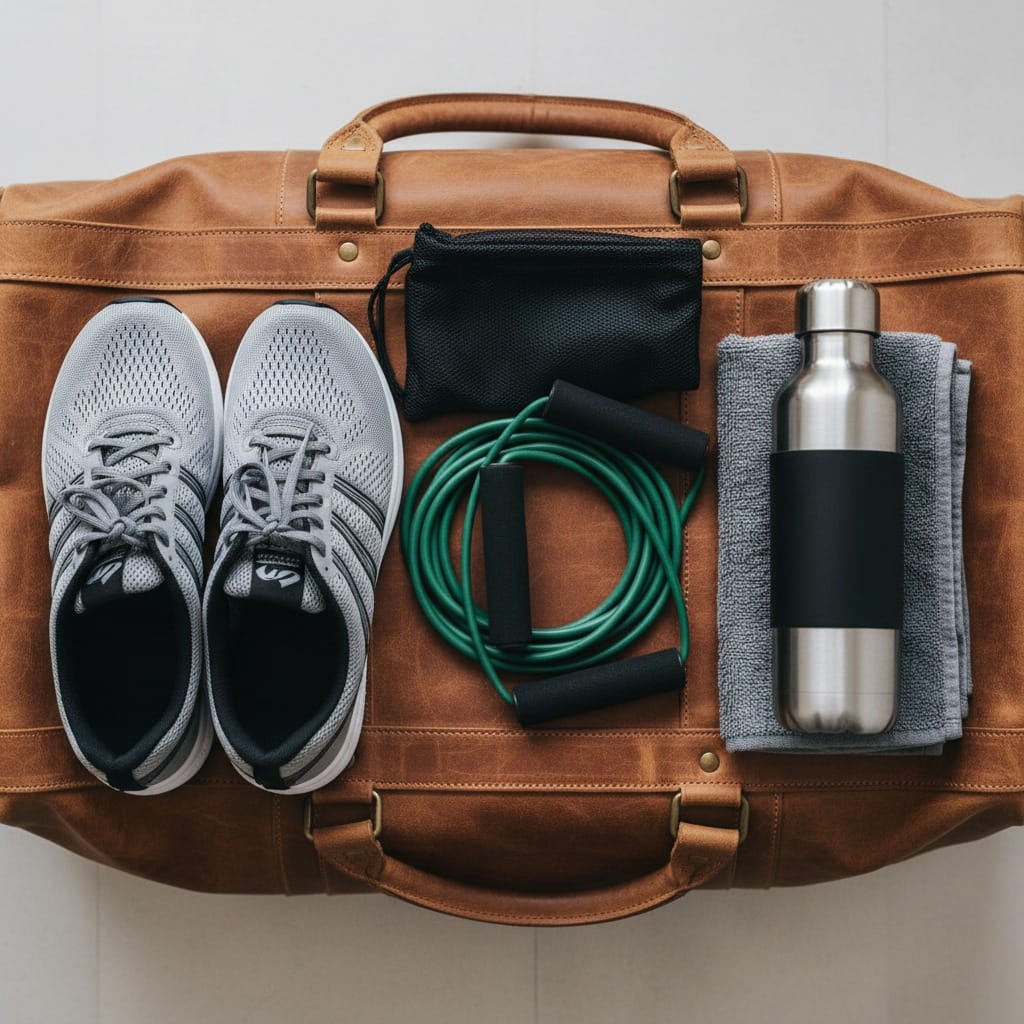
8. Walking Shoes Over Fashion
I am all for style, but for a classic city break, blister pain ruins a day faster than anything else.
Invest in high-quality, supportive footwear that handles miles of concrete. Your feet will thank you when you sit down for dinner.
The Digital Shield: 10 Rules to Outsmart the Scammers
Of course, staying safe isn’t just about watching your pockets while traveling; it’s about protecting your digital footprint.
Scammers love the summer season, often targeting us with fake booking confirmations, urgent bank alerts, or lookalike websites.
Here is your digital checklist to keep the fraudsters at bay:
1. Slow Everything Down
Scams rely entirely on urgency. Messages shouting “Account locked,” “Immediate action required,” or “Fine outstanding” are designed to trigger panic. That pressure is a trap. The safest first step is always to pause. If a message pushes you to act now, question why.
2. Never Click Links in Unexpected Messages
Links in texts or emails can lead to highly convincing “cloned” websites designed to steal your credentials.
If a bank, courier, or travel company contacts you unexpectedly, do not click the link. Open your browser and go to the official website independently.
3. Go to the Company Directly
Never use the phone number, link, or email provided in a suspicious message.
If you want to check if an alert is genuine, use the trusted number on the back of your bank card or a recent paper statement. One quick, independent call can save a massive amount of heartache.
4. Use Strong, Unique Passwords
Using the same password across multiple sites is like using one single key for your house, car, and office—if a criminal gets hold of one, they get them all.
Consider using a secure Password Manager to generate and safely store unique passwords for every account.
5. Turn on Two-Step Verification (2SV)
Most UK banks, email providers, and social media platforms now offer this feature.
It simply sends a quick code to your phone or app when you log in from a new device. It’s a tiny extra step that acts as a massive deadbolt on your digital door.
6. Be Wary of “Guaranteed” Investments
Fraudsters frequently impersonate financial advisers, reputable companies, or celebrities online. In the UK, always check the Financial Conduct Authority (FCA) Register before moving any money. If an opportunity promises high returns with “no risk,” it is a major red flag.
7. “Too Good to Be True” is a Warning
Massive, unrealistic holiday discounts or miracle financial offers are engineered to make you act before you think.
Trust that inner voice—if a deal feels too good to be true, it almost certainly is.
8. Keep Your Devices Updated
Those annoying “Update Now” notifications on your phone, tablet, or laptop? Think of them as essential digital maintenance.
They rarely just add features; they almost always contain critical security patches designed to block the latest viruses and vulnerabilities.
9. Fight Back and Report Suspicious Messages
In the UK, we don’t just have to take it on the chin; we can actively fight back. Forward scam texts to 7726 (which handily spells ‘SPAM’ on a telephone keypad) and forward suspicious emails to report@phishing.gov.uk. It directly helps the authorities track down and shut these operations down.
10. When in Doubt, Ask Someone
A second opinion is a scammer’s absolute worst enemy. Scammers isolate you by demanding secrecy and immediate compliance. A quick, grounded chat with a partner, friend, or colleague can reveal an online trick instantly.
The Bottom Line: Preparation shouldn’t feel like a chore.
Spending just a bit of time setting up your digital boundaries, checking your gear, and securing your plans ensures that the only thing you have to focus on tomorrow is enjoying the world-class racing, the fashion, and the unbeatable British summer atmosphere.
Have a fantastic summer, stay sharp, and enjoy every minute of the sunshine!
Leave a Reply