Author: stevek

  • 🟦 Business After 60 Conversation

    Business After 60, Getting the right meeting. The most overlooked skill in B2B sales.

    Getting the Right Meeting: The Most Overlooked Skill in B2B Sales

    In last week’s article, I explained why the “gift of the gab” isn’t what makes a great salesperson.

    Today, I’d like to challenge another common misconception.

    One thing that has always surprised me is how little attention most sales books give to securing the meeting itself.

    Most assume you’re already sitting in front of the customer and dive straight into building rapport, questioning techniques, handling objections, and closing the deal.

    Mine doesn’t.

    After more than forty years in B2B sales, I’ve learnt one simple, unshakeable truth.

    No meeting. No sale.

    Everything else comes afterwards.

    Very few sales courses explain the critical work that happens before you ever walk through the customer’s door. Yet this is exactly where many major sales opportunities are won—or lost.

    The Journey to the First Meeting

    We are incredibly lucky these days with the sheer volume of resources available at our fingertips.

    When I was starting out in the 1980s, doing company research meant a trip to the local library, hunting through physical directories, relying on creative word-of-mouth referrals, and actually navigating with a paper A-Z map.

    Today, there is no excuse for going in cold. The journey to a successful B2B sales meeting follows six distinct steps:

    Step 1: Research the Company

    Before you make contact, build a digital profile of the target business.

    Utilise everything available: their company website, LinkedIn, Google Maps (to see the physical scale of their operation), Companies House, the trade press, local news, and their direct competitors.

    Step 2: Find the Right Decision Maker

    Don’t settle for anyone who is simply willing to meet you.

    I learnt this lesson the hard way as a young, enthusiastic salesman back in the days when you could still get away with cold calling.

    I decided to pop in and try to speak to the owner of a major local electrical contracting firm—a serious outfit with over ten sparkies, a massive yard, and a full-time storeman.

    I strolled into the office and asked, “Can I speak to Mike, please?”

    A voice replied, “Mike speaking.”

    Fantastic, I thought. I spent the next 30 minutes delivering what I believed was a magnificent, flawless presentation. I showed him the latest product offers, the new Crabtree cooker sockets, and the new plastic socket boxes.

    He seemed genuinely interested, nodding throughout my presentation.

    At the end of my performance, he looked at me and said these immortal words: “I am just the yard man and the cleaner.”

    He was certainly the smartest, best-dressed cleaner I’d ever met.

    When I commented on it, he smiled and said, “I’ve just changed because I’m going to see my bank manager.”

    Meeting the wrong person wastes everybody’s time. You must target the individual who actually owns the problem you can solve and holds the budget to fix it.

    Step 3: Get Through the Gatekeeper Professionally

    Treat receptionists and PAs with genuine respect. They are not barriers to bypass; they are professionals who often know far more about the inner workings of the business than people realise.

    Step 4: Secure the Appointment

    Whether you use the telephone, email, LinkedIn, or a combination of whatever works best for your industry—always keep your eye on a single objective. You aren’t trying to sell your product yet. You are simply making an appointment with the right person.

    Step 5: Confirm Everything

    Once the date is set, lock down the operational details:

    • Who exactly is attending from their side?
    • Where is the meeting being held, and what time?
    • What are the parking arrangements and security procedures?
    • What is the dress code?
    • Do you need to bring specific presentations, samples, or documentation?
    • How much time have they allocated for you?

    Step 6: Turn Up Prepared

    Pack your literature, your laptop, your samples, your pre-written questions, and your core objectives the day before. On the day, arrive early, relax, and use those extra minutes in reception to observe your surroundings.

    Applying the Four Pillars: Look, Read, Watch, Listen

    In Week 1, I introduced the four habits that form the foundation of my entire sales process. Here is how they apply to the journey before the meeting even begins:

    • LOOK: Examine the company’s physical and digital presence. When you arrive on-site, look at the premises, the delivery vehicles, the reception area, and the staff. It tells you everything you need to know about their company culture.
    • READ: Read everything you can find about them online, on social media, and in print before you make your first approach.
    • WATCH: When you step into their building, watch how the staff interact, how busy the environment is, and how visitors are treated.
    • LISTEN: Listen to the background noise in reception. Listen to the gatekeeper. Listen to the tone of the customer when they greet you.

    Sometimes, you will learn far more about a business before the meeting officially starts than you ever will during the meeting itself.

    Continue the Conversation

    If you’d like to use the same planning process I’ve developed over the years, just drop me an email…

    It’s a practical working document that I still use to prepare for important customer meetings.

    The Professional B2B Sales Pre-Meeting Planner includes:

    ✔ Company research checklist
    ✔ Decision-maker planning sheet
    ✔ Telephone preparation notes
    ✔ Meeting objectives
    ✔ Travel and logistics checklist
    ✔ Equipment and literature checklist

    Frequently Asked Questions (FAQ)

    Why shouldn’t I just meet with anyone who says yes to a conversation?

    It is incredibly tempting to take any meeting when you are trying to build a sales pipeline.

    However, meeting with someone who lacks decision-making authority or a real business problem to solve is a trap.

    It gives you a false sense of progress while consuming valuable time that you should be spending targeting high-value decision-makers.

    How do you handle a gatekeeper who refuses to put you through to the decision-maker?

    Never argue, become defensive, or resort to cheap sales tricks.

    Instead, pivot to treating them as the internal expert. Ask for their professional advice:

    “I respect that he is incredibly busy. Based on how your team manages engineering procurement, what would be the best way for me to send over some brief technical data for him to look at when he has a moment?”

    What is the single most important detail to confirm before travelling to a meeting?

    The exact time allowed. There is nothing worse than arriving prepared for a comprehensive 45-minute technical discussion only to be told, “I’ve only got 10 minutes before a board meeting.”

    Confirming the time allowed ahead of time ensures you can structure your approach flawlessly before you step foot in the room.

    One thing I’ve learnt over the years is that successful sales meetings rarely happen by accident.

    They are usually the result of careful preparation long before anyone shakes hands or opens a laptop.

    Get this stage right and everything that follows becomes much easier.

    Join the Conversation

    What’s the biggest mistake you’ve ever made before a business meeting?

    Whether it was getting lost on the way, presenting to the wrong person like I did, or forgetting your samples—let me know in the comments below!

    Coming Up in the Business After 60 Conversation Series

    Behind the scenes, each conversation is also becoming part of a growing library of practical tools, planners and guides for entrepreneurs and business owners.

    • Week 1 – The Truth About Becoming a Great B2B Salesperson
    • Week 2 – Getting the Right Meeting: The Most Overlooked Skill (this week’s article)
    • Week 3 – Research That Wins Business & Finding the Decision Maker
    • Week 4 – Asking Better Questions & Building Trust
    • Week 5 – Presenting Value, Handling Objections & Closing Professionally
    • Week 6 – After the Sale: Building Customers for Life

  • Weekend Conversation: Strength, Oysters & Style After 60

    A weekend chat about how important strength is in your 60's, style and oysters.

    Good morning everyone.

    Sharon and I are one week into our East Coast adventure, working, writing and relaxing from a beautiful lodge here in Essex.

    We’ve spent a thoroughly enjoyable few days exploring more of the coastline and, once again, it’s reminded me just how underrated this part of England really is.

    From walking around Frinton-on-Sea and Walton-on-the-Naze to visiting a lovely local vineyard, we’ve sampled some fantastic seafood and, of course, had the inevitable debate over what I chose to wear to lunch!

    It got me thinking about three questions I’d love your thoughts on this weekend…

    💪 1. Is strength training really that important as we get older?

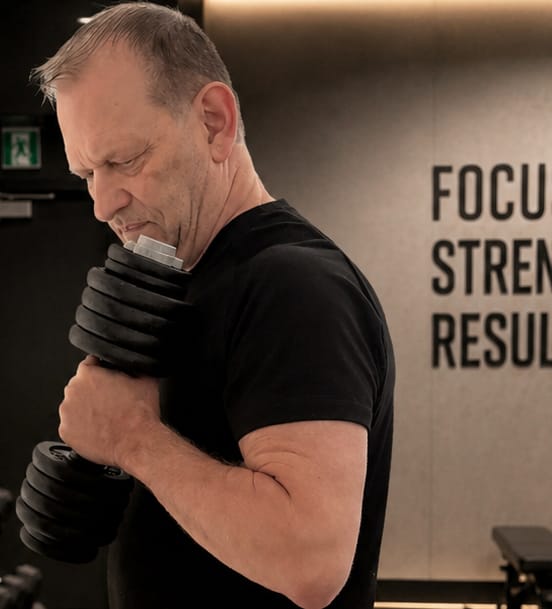
    I’ve become a real fan of strength training over the last few years. Nothing extreme—just sensible, regular exercises with dumbbells and resistance bands a few times each week.

    I genuinely feel stronger, fitter and have far more energy because of it.

    Sharon isn’t quite so convinced, and neither are several of my friends.

    They tend to picture heavy weights and intimidating gyms, whereas I see it as an insurance policy for staying active and independent.

    If you strength train, what persuaded you to start?

    And if you don’t… what’s stopping you?


    🦪 2. Oysters… the food of love or do they just make you gag?

    One of this week’s highlights was discovering just how famous Mersea Island is for its native oysters.

    Having eaten oysters in several parts of the world, I have to say the Mersea oyster is right up there. It has a slightly different, wonderfully crisp flavour—but I think that’s exactly what makes it special.

    Digging into it, I found a surprising fact. A serving of six oysters contains around 15 grams of high-quality protein, very few calories and is packed with Vitamin B12, zinc, copper and heart-healthy omega-3 oils. No wonder they’re considered a genuine superfood.

    So where do you stand?

    ❤️ Food of love?

    🤢 Or do they just make you gag?

    And if you do enjoy them, do you chew them, swallow them whole, or prefer them grilled or baked?


    👔 3. Has the sports jacket had its day?

    We stopped for lunch at a lovely gastro pub mid-week and I thought I’d pulled together a pretty sharp smart-casual outfit…

    A navy blazer…

    A classic polo shirt…

    Well-fitted jeans…

    And brown shoes.

    Apparently Sharon wasn’t quite as impressed, and I took a bit of friendly stick for it!

    Personally, I still think a structured sports jacket or blazer is the perfect way to smarten up a casual look without feeling overly formal.

    What’s your verdict?

    👔 Stylish and timeless?

    😄 A little old-fashioned?

    🤔 Or was it the brown shoes with the navy blazer that crossed the line?


    One Final Thought…

    People so often overlook Essex as a holiday destination, but after spending a week exploring its villages, vineyards, coastal paths and beaches, I honestly think it has an incredible amount to offer for a short break.

    Sometimes the best hidden treasures are much closer to home than we realise.

    Have a wonderful weekend everyone, and I look forward to reading your comments below!

    Steve

    Ropho – Pleasure & Business After 60

  • How to Make the Most of Your Pension After 60

    How to Make the Most of Your Pension After 60

    Welcome to our Wednesday Finance Conversation.

    Grab a black coffee—or a quick espresso if you need that extra caffeine kick—and let’s have a real, straight-talking chat.

    I was asked an interesting question last week while talking to one of my long-standing business clients.

    “Steve, how do you manage to be away so often, whether it’s travelling around the UK or heading overseas? I simply can’t afford it.”

    I had to laugh.

    Not because it was a silly question, but because I’ve worked with this client for more than six years. I know his company’s finances almost better than I know my own, and I’m fairly certain he’s not short of a few pennies.

    As we talked, it struck me that perhaps the issue isn’t always how much money we have. Sometimes it’s about how well we manage what we’ve already got, and whether we’re making the most of the opportunities available to us.

    That conversation stayed with me all week.

    Many of you have told me that money is one of the subjects you’d most like us to explore together—not because you’re struggling, but because you want to make smarter decisions that help you enjoy life after 60 even more.

    So, over the coming months, our Wednesday Finance Conversations will look at a wide range of topics—from pensions and retirement income to investing, working a little longer, turning hobbies into income, and making the most of what you’ve already built.

    Today’s conversation begins with a question many people quietly ask themselves…

    What happens when your pension isn’t quite what you hoped for?

    There’s a very specific kind of quiet anxiety that comes when you open your annual pension statement, look at the final number, and realise it doesn’t quite match the life you had pictured.

    Maybe you aren’t staring at a crisis. But you are looking at a lifestyle gap—the difference between a comfortable retirement and the active, travel-filled, intellectually stimulating next chapter you really want to live.

    The good news is that a pension shortfall doesn’t have to define your retirement. It can simply become the starting point for making a few thoughtful decisions that help you build the life you want.

    How Can You Reduce Spending Without Feeling Deprived?

    Before looking at how to bring more money in, the fastest way to give yourself a raise is to look at what’s going out.

    This isn’t about living on beans on toast or cutting out the dinners at your favorite local Italian.

    Instead, it’s about a strategic efficiency audit. It’s about spotting the passive “leaks”—lazy cash sitting in zero-interest high-street accounts, outdated insurance policies, or unused premium subscriptions—and consciously redirecting those exact savings straight into your travel fund.

    Should You Continue Working After 60?

    Stepping away from a demanding, 50-hour workweek doesn’t mean you have to stop working entirely. A “portfolio career”—taking on selective, part-time roles or flexible projects—is the perfect halfway house. It keeps your mind sharp, provides a brilliant social outlet, and brings in a highly predictable income stream to fund those spontaneous weekend city breaks.

    Can Your Experience Become a New Income Stream?

    By the time you reach your 60s, you have decades of high-level problem-solving skills and industry networks. Whatever work you have done, you will have skills that businesses are crying out for, experienced, safe hands who can solve problems without needing hand-holding.

    Freelancing or project-based consulting allows you to sell your intellect, not your hours, entirely on your own terms.

    4. Turn a Passion Into a Lifestyle Business

    Whether it’s photography, writing, gardening, or a craft you’ve spent decades refining, the digital world has made it incredibly simple to build a small, highly enjoyable business around a hobby. When you love what you do, it doesn’t feel like work—but the extra income can easily fund your next holiday to Crete or Thailand.

    5. Play the Strategic Waiting Game

    If you are earning an income through consulting or a small business, you might not need to draw your pension benefits immediately. Delaying when you take them can dramatically increase your future guaranteed payouts. For instance, in the UK, deferring your State Pension by just one year boosts your weekly payouts by roughly 5.8% for the rest of your life.

    6. Claim Your Ground (Hidden Allowances & Lost Pots)

    True financial realism means ensuring you aren’t leaving your own money on the table. This means maximizing your tax-free ISA allowances, structuring your cash withdrawals efficiently, and actively hunting down “lost” pension pots from previous employers.

    Where to Get Free, Trusted Help

    You don’t have to figure all of this out alone, and you don’t necessarily need to pay a premium for a private financial adviser right out of the gate. There are fantastic, free, and completely impartial resources available in the UK to help you map out your options:

    • Pension Wise (from MoneyHelper): A free, government-backed service specifically for people aged 50 or over. They offer highly clear, specialist telephone or face-to-face appointments to explain your pension options.
    • The MoneyHelper Service: Provides free, unbiased advice on everything from budgeting and savings to trace-a-pension services.
    • Citizens Advice: An invaluable resource for checking if you are entitled to any specific local council tax support or marriage allowances you might have overlooked.

    Of course, if you have a highly complex estate, checking in with a regulated, independent financial adviser (IFA) is always a smart move to get personalised tax planning.

    Let’s Build This Together

    An unexpected pension number is simply a prompt to get creative. It’s an invitation to build a retirement that is far more active, purposeful, and intellectually stimulating than the traditional model.

    Over the coming Wednesdays, we are going to dive deep into each of these areas with highly practical, real-world blueprints.

    ☕ Coffee Break Question

    If an extra £5,000 appeared in your bank account tomorrow, what would you do with it?

    Would you travel, help the family, improve your home, save it for the future, or finally treat yourself to something you’ve always wanted?

    I’d love to hear your thoughts in the comments because many of your ideas often inspire future Wednesday Finance Conversations.


    Next Wednesday…

    We’ll carry out The Adventure Fund Audit and see how many of us could fund our next adventure simply by plugging a few quiet financial leaks—without feeling deprived.

  • The Truth About Becoming a Great B2B Salesperson

    The Truth About Becoming a Great B2B Salesperson

    “You’ve got the gift of the gab… you’d make a great salesperson.”

    I’ve heard that phrase countless times over the years. It always makes me smile because, after more than 40 years in B2B sales, I can tell you a definitive truth:

    The gift of the gab is not what makes a great salesperson.

    When I was in my early twenties, I was a trained electrical engineer. I had completed a five-year City & Guilds apprenticeship—a highly respected qualification at the time. The problem was simple: I just didn’t enjoy it.

    I wanted more. More opportunity, more responsibility, more money, the nice car, the holidays, my own business, and a better lifestyle. Looking back, I achieved those things.

    But the definition of “more” certainly changes as you get older.

    A single conversation changed the direction of my career.

    I was chatting with a sales representative from our local electrical wholesaler.

    After listening to me vent about wanting something different, he said: “You’ve got the gift of the gab. You’d make a great salesperson.” He mentioned they were hiring, so I took the leap.

    The catch? It meant taking a substantial pay cut.

    My answer was confident, if a little naive: “I’ll make it up in commission. No problem.”

    That was how my sales career started. Looking back now, I realise just how much I had to learn. I genuinely thought sales was just about confidence, talking, and convincing people.

    I was wrong.

    Business After 60 Series – In previous articles we’ve looked at developing a business idea, creating a vision, and building solid foundations. But every successful business eventually comes down to one thing—winning customers.

    Over the next few weeks, we’re moving into one of the most important business skills of all: Professional B2B selling.

    Over decades of working in B2B sales, managing sales teams, running businesses, and mentoring professionals, I have learned that successful selling is built on something entirely different.

    It is about deeply understanding people, understanding businesses, and asking the right questions.

    Over the next few weeks, we’re moving into one of the most important business skills of all: professional B2B selling.

    Successful B2B sales isn’t about clever lines or cheap sales tricks.

    It’s about the complete, professional process:

    • Finding the right prospects
    • Making the right first contact
    • Understanding who influences a decision
    • Building genuine trust
    • Asking better questions
    • Presenting solutions
    • Handling objections
    • Closing professionally

    Throughout this series, you’ll see me return to four simple words that have guided me my entire sales career.

    They sound obvious, but after 40 years in the field, I believe they are the most important habits a salesperson can develop.

    Before you can expect a customer to trust you, you have to know your own business inside out.

    So, our first conversation starts with self-reflection.

    Have you properly understood your own company, your products, and the specific problems you solve for customers?

    Look, Read, Watch, Listen

    The Four Habits of Every Successful B2B Salesperson

    LOOK – at your customers, markets, competitors and opportunities.

    READ – everything you can about your products, your industry and your customers.

    WATCH – experienced salespeople, demonstrations, customer behaviour and market trends.

    LISTEN – more than you speak. Your customers will usually tell you exactly how to sell to them.

    Great salespeople don’t just turn up and talk—they prepare.

    Next week we’ll look at something that transformed my own sales career: why the first sales call actually begins long before you ever pick up the telephone or walk through the customer’s door.

    Frequently Asked Questions About B2B Sales

    Do you need to be an extrovert to succeed in B2B sales?

    Absolutely not. While confidence helps, great B2B sales are built on active listening, problem-solving, and empathy.

    Quiet, analytical individuals who understand their clients’ business problems often outperform the loudest talkers in the room.

    Is it risky to change careers into sales later in life?

    Every career move carries an element of risk, but sales rewards transferrable skills.

    If you have deep industry knowledge (like engineering, logistics, or retail), you already understand the customer’s problems.

    Learning the sales process is often easier than learning an industry from scratch.

    What is the most important skill for a new salesperson to learn?

    The ability to ask high-quality, open-ended questions and genuinely listen to the client’s answers.

    Instead of pitching features, great salespeople uncover the customer’s real problems before offering a solution.

    You can’t offer the right solution until you fully understand the problem.

    Join the Conversation

    What is the biggest myth or piece of bad advice you were ever given when starting out in business or sales? Let me know in the comments below!

    Coming Up in the Business After 60 Conversation Series

    Week 1 – The Truth About Becoming a Great B2B Salesperson (this week’s article)

    Week 2 – Preparation Before the First Meeting

    Week 3 – Research That Wins Business & Finding the Decision Maker

    Week 4 – Asking Better Questions & Building Trust

    Week 5 – Presenting Value, Handling Objections & Closing Professionally

    Week 6 – After the Sale: Building Customers for Life

    Business after 60 - Getting the right meeting. The most overlooked skill in B2B sales

    Read More – 🟦 Business After 60 Conversation Getting the Right Meeting

  • The Weekend Read – Football, Curry, Beer and the Seaside

    The Weekend Read - Football, Curry, Beer and the Seaside

    Football, Spice, Beer… and a Trip to the Coast

    Introduction

    This weekend is bringing some of my favourite things together.

    As discussed in Wednesday’s post, for the next three weeks we are embarking on a travel adventure, searching out new coastal gems, hotels, pubs, and restaurants—no plans set in stone.

    First stop on Thursday was family time and new baby cuddles in Hampshire.

    Now, it’s a scenic drive to Sharon’s sister’s lodge in Essex for a week of relaxation and time to write some informative and enjoyable PDFs and e-books.

    My Weekend Questions

    • Can England finally win the World Cup, and why are there suddenly so many experts?
    • Why do beer, football, and curry go together?
    • Why is turmeric good for us?
    • We all know smiling is good for us… but what if you can’t get out of your bad mood?
    • And why is the coast so good for my soul?

    Because of the late kick-off, we are going to watch the football at the lodge.

    The fridge has been stocked, the curry menu is already being debated, and somehow my wife—who barely watches football the rest of the year—has become the nation’s newest football pundit. Apparently, every referee decision is obvious… after the fifth replay!

    But perhaps that’s one of the things I enjoy most about tournament football. It brings everyone together, whether they’re lifelong supporters or experts for just a few weeks every two years.

    ⚽ Football Conversation

    Why does every England tournament create so many football experts?

    My wife only watches major tournaments, yet somehow she instantly knows:

    • who should be substituted
    • why the manager got it wrong
    • whether it was definitely a penalty.

    I’m sure many households are exactly the same.

    Question for readers: Who is the part-time football expert in your family and are England finally going to win the World Cup again, my wife says they will?

    🌶️ Food Conversation

    Why do football, curry, and beer seem to go together?

    It’s become almost a tradition now. Wherever we watch England, at home or in a pub somewhere, we nearly always end up with beer, football, and a curry.

    Sometimes it’s in a restaurant, and sometimes—as will be the case this Saturday—it’s a well-deserved takeaway. It’s not obligatory, and any takeaway can work, but my preference is always for curry.

    Saturday football. A pint. And a curry.

    Perhaps it’s because curries are perfect for sharing with family and friends while watching sport. The spices, aromas, and variety make every meal feel like an occasion.

    My Top Five Curries:

    1. Chicken Jalfrezi
    2. Lamb Rogan Josh
    3. Chicken Tikka Masala
    4. Madras
    5. Balti

    There are so many to choose from, but these are just some of my favourites.

    Question for readers: What’s your favourite curry?

    🟡 Health Conversation

    Why is turmeric considered so good for us?

    Turmeric contains curcumin, a natural compound that research suggests has anti-inflammatory and antioxidant properties. Scientists continue to study its potential role in:

    • reducing inflammation
    • supporting joint health
    • helping recovery after exercise
    • supporting brain health as we age.

    It isn’t a miracle spice—but it’s certainly one ingredient many healthy diets include.

    😊 Mindset Conversation

    We all know smiling is good for us… but what do you do when you simply can’t smile?

    Some days just don’t go to plan. We’ve all had those mornings when nothing seems right. I’ve learnt not to force happiness. Instead, I try something simple.

    Maybe it’s:

    • going for a walk
    • making a coffee
    • putting some music on
    • watching an old comedy
    • chatting to someone
    • or simply changing my surroundings.

    Sometimes the smallest change is enough to shift your mood.

    Question for readers: What helps lift your mood when you’re having one of those days?

    🌊 Looking Ahead

    Why I can’t wait to get back to the coast

    This week I’ll finally be spending a few days by the sea. I’ve always found there’s something calming about the coast.

    The sound of the waves. The smell of the sea air. Fish and chips eaten outside.

    A long walk without looking at the clock. For me, it’s one of the few places where life naturally slows down.

    Perhaps it’s because the sea reminds us that some things are far bigger than the emails, meetings, and worries we carry around.

    After a couple of days by the coast, I always return feeling lighter. I’m already looking forward to it.

    Question for readers: If you could disappear anywhere for a few days, where would you go?

    Final Thoughts

    Football. Friends. A good curry. Maybe a cold beer. A laugh with family. And a walk beside the sea.

    Sometimes the best weekends are built from life’s simplest pleasures.

    Have a wonderful week.

    Steve

  • Can You Travel Without a Plan and Eat Well After 60?

    Can You Travel Without a Plan and Eat Well After 60?

    This week, I’m asking two questions that might seem completely unrelated, but they actually go hand in hand.

    Could you head off on a three-week road trip with no firm plans or bookings, or would that send your stress levels soaring?

    And…

    Do you know which fats help keep us healthy in our 60s, and which ones are best enjoyed only occasionally?

    The reason I’m asking is because, at this very moment, Sharon and I are setting off on a three-week adventure that goes completely against our usual travel rules.

    We’re travelling with nothing more than a sketchy plan, a packed car and a sense of adventure.

    First stop: Family time

    Our first destination is Hampshire to spend a few days with my son, his partner and our seven-week-old grandson, Joey.

    We had a FaceTime call recently and my son looked absolutely shattered.

    Apparently, Joey has decided that sleeping for more than two hours at a time is completely overrated.

    My son doesn’t quite realise it yet, but this is one of those chapters he’ll be reminding Joey about for the rest of his life.

    That’s what fathers are for, isn’t it?

    Embracing the sketchy plan

    After our grandparent duties are complete, Sharon and I are doing something we almost never do.

    We’re heading up the UK’s east coast with no detailed itinerary.

    Our first stop is Essex, where Sharon’s sister has invited us to stay at her “caravan.”

    Although calling it a caravan is stretching the truth somewhat. It’s more like a luxury lodge with every modern comfort.

    The peaceful surroundings will give me the perfect opportunity to continue writing some of the upcoming Ropho digital guides and ebooks.

    After that…

    No hotel bookings.

    No timetable.

    No pressure.

    Just a road trip exploring some of Britain’s coastal gems.

    Following a recent conversation about how fortunate we are to have such beautiful countryside and coastline, I realised we often rush off abroad without properly exploring what’s on our own doorstep.

    Don’t worry—we’ve still got Crete booked for September!

    This trip is different.

    We’re searching for memorable pubs, independent restaurants, boutique B&Bs and characterful hotels that I can genuinely recommend for future Ropho readers looking for a weekend away.

    The Road Trip Food Challenge

    As exciting as spontaneous travel sounds, it does present one challenge.

    Food.

    British seaside towns mean fish and chips.

    Country pubs mean hearty pies.

    Long days exploring often lead to desserts that somehow seem impossible to refuse.

    I’ve packed my resistance bands, so I’ll still be doing my three strength sessions each week.

    But after last week’s conversation about protein, it seemed the perfect opportunity to look at another important subject…

    Healthy fats.

    The Truth About Fats

    For years, fat became the nutritional villain.

    Everything was labelled “low fat” and many of us were led to believe that all fat was bad.

    Thankfully, we’ve learned much more since then.

    Healthy fats are essential.

    They help support our heart, brain and joints, provide lasting energy and help our bodies absorb important vitamins.

    As we get older, those benefits become even more important.

    The challenge isn’t avoiding fat.

    It’s choosing the right kinds most of the time.

    Foods to enjoy regularly

    • Extra virgin olive oil
    • Avocados
    • Nuts and seeds
    • Oily fish such as salmon and mackerel
    • Eggs

    Foods to enjoy in moderation

    • Butter
    • Cheese
    • Full-fat Greek yoghurt

    These foods can absolutely form part of a healthy diet—they’re simply worth enjoying in sensible portions.

    Foods best kept as occasional treats

    • Processed meats
    • Commercially fried foods
    • Pastries
    • Cakes
    • Biscuits
    • Foods containing trans fats

    Now, before anyone points it out…

    Yes.

    I fully expect to enjoy fish and chips somewhere along the coast.

    Ropho has never been about perfection.

    It’s about balance.

    My favourite travel tip

    You don’t need calorie-counting apps or kitchen scales when you’re on holiday.

    I use a very simple guide.

    Think thumb-sized.

    A thumb-sized portion is roughly the amount of healthy fat most meals need.

    That might be:

    • a drizzle of olive oil
    • a small handful of nuts
    • half an avocado
    • a modest portion of cheese

    Healthy fats are satisfying.

    Get the balance right and they’re much more likely to keep you full than leave you searching for the next sugary snack.

    The Ropho View

    Growing older shouldn’t mean giving up adventure.

    Nor should healthy eating mean removing all the enjoyment from food.

    As Sharon and I head off with our sketchy itinerary, the goal isn’t perfection.

    It’s balance.

    We’ll keep moving.

    I’ll keep up my resistance training.

    We’ll choose grilled fish more often than deep-fried.

    And when we discover that perfect coastal pub, we’ll enjoy it without feeling guilty.

    Because making the most of life after 60 isn’t about following rules.

    It’s about making good choices most of the time while still creating memories worth talking about.

    Now I’d love to hear from you.

    Could you cope with a three-week trip without every hotel booked in advance, or would that be your idea of a nightmare?

    And when you’re travelling, how do you manage to eat well without missing out on all the local treats?

    I’d love to read your thoughts in the comments.


    This article combines personal experience with general nutritional guidance. Information on healthy fats has been informed by resources from the British Heart Foundation. Everyone’s health is different, so if you have a medical condition or specific dietary needs, it’s always worth discussing them with your GP or another qualified healthcare professional.

WordPress Cookie Plugin by Real Cookie Banner