Category: Lifestyle

Use this description to tell users what kind of blog posts they can find in this category.

  • Healthy Salmon, Summer Shorts & New Beginnings

    "One-pan Mediterranean salmon recipe for heart health over 60."

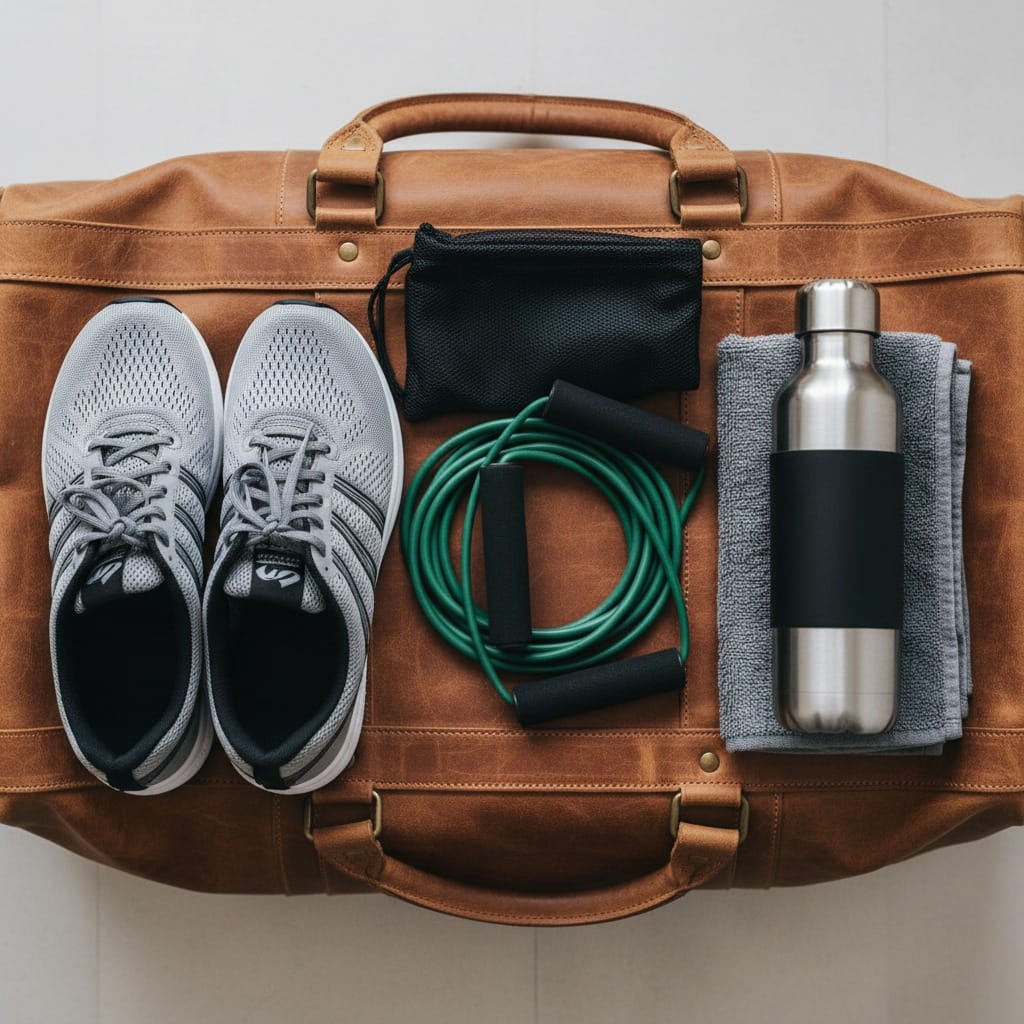
    Welcome back to the Wednesday check-in! It’s been a busy week of hitting my 5k+ steps count and keeping up with my three strength sessions.

    Being over 60 isn’t about slowing down, it’s about fine-tuning the engine.

    This week, I’m launching a new series and tackling some of the bigger questions life throws at us.


    Healthy Recipes for Over 60s: The Summer Show Reel

    I’ll be the first to admit, I’m not exactly Gordon Ramsey, but I’m a firm believer that healthy food shouldn’t be a chore.

    This week, I’m kicking off a Summer Recipe Series with two options that you the reader vote for, this One-Pan Mediterranean Salmon or The Zesty Sheet-Pan Chicken & Sweet Potato Smash

    Once the results are in on Friday morning, I will cook the one with most votes and show you the results on my weekend post.

    🍴 Mid-Week Meal of the Week: The “One-Pan Mediterranean Roast”

    This dish is fantastic for someone over 60. The salmon provides healthy fats for the heart, and the dark leafy greens and beans provide the calcium and magnesium your bones crave.

    Why it works:

    • Heart Health: High in Omega-3 fatty acids and low in saturated fats.
    • Bone Health: Spinach and Cannellini beans are surprising sources of calcium.
    • Chef Level: “Set it and forget it.” Very little chopping, no complex sauces.

    The Ingredients List

    IngredientBenefit
    2 Salmon FilletsOmega-3s for heart rhythm and inflammation.
    1 Bunch AsparagusGreat source of Vitamin K for bone density.
    1 Can Cannellini Beans(Rinsed) Fiber and plant-based calcium.
    2 Handfuls Cherry TomatoesRich in Lycopene (heart protective).
    1 Lemon & GarlicFlavor without using excess salt.
    Olive OilThe gold standard for cardiovascular health.

    Simple Instructions

    1. Prep the Tray: Preheat your oven to 200°C (about 400°F). Line a large baking tray with parchment paper (this makes cleanup easy—we like easy).
    2. The Veggie Base: Toss the asparagus, rinsed beans, and cherry tomatoes onto the tray. Drizzle with 1 tablespoon of olive oil, a squeeze of half a lemon, and a pinch of black pepper and dried oregano.
    3. The Main Event: Nestle the salmon fillets among the vegetables. Top each fillet with a thin slice of lemon and a little minced garlic (the jarred stuff is fine!).
    4. The Roast: Pop it in the oven for 12–15 minutes. You’ll know it’s done when the salmon flakes easily with a fork and the tomatoes have started to burst.
    5. The Finish: Serve it exactly as is. If you want more “bulk,” serve it over a bed of fresh baby spinach—the heat from the food will wilt the spinach perfectly.
    • The Benefit: Massive Omega-3s for the heart and Vitamin K for the bones.
    • The Compromise: I love asparagus, but Sharon isn’t a fan. The beauty of the tray-bake? My side had the spears, her side had Tenderstem broccoli. One tray, two happy diners.

    “The Zesty Sheet-Pan Chicken & Sweet Potato Smash”

    This is the ultimate “low-skill, high-reward” dish. It uses a single tray, meaning less washing up and more time for your 5k steps.

    The Nutritional “Why”:

    • Lean Muscle: Chicken breast or thighs provide the protein needed to repair muscles after your 45-minute strength sessions.
    • Bone & Heart Support: Sweet potatoes are packed with potassium, which helps manage blood pressure and protects bone mineral density.
    • The “Secret” Ingredient: Adding walnuts or pumpkin seeds at the end adds a crunch that’s loaded with heart-healthy minerals.

    Preview of the Checklist:

    1. The Base: Cubed sweet potatoes and red onion.
    2. The Protein: Chicken strips seasoned with paprika and rosemary (no-salt flavor bombs).
    3. The Green: Broccoli florets (added halfway through so they stay crunchy).
    4. The “Chef” Touch: A drizzle of balsamic glaze right before serving.

    How to Vote: Type “TEAM SALMON” or “TEAM CHICKEN” in the comments below! I’ll announce the winner Friday morning and get the apron on for the weekend post.

    The Challenge: I’m looking for your “edible healthy meals!” If you have a go-to recipe that’s quick and nutritious, send it over. I might just feature it in next week’s meal of the week.


    Summer Style for Men Over 60: The Best Shorts & Etiquette

    The sun has finally made an appearance in the UK, which means I get my legs out, the shorts are back.

    There’s a lot of talk about “age-appropriate” clothing” but in 2026, I say if you want to wear shorts then you should at any age.

    My 60+ Shorts Etiquette:

    For men over 60 the focus should be balance, if you are trying to attain a daily casual look, not too casual or sloppy, you need to pay attention to the following.

    • Length (The “Just Above the Knee” Rule): The most flattering length is consistently noted as just above or right on the knee (roughly 7- to 9-inch inseam). Shorts that fall below the knee can make you look shorter, while very short shorts (mid-thigh or higher) are generally discouraged unless you are highly athletic.

    • Fit: Choose a tailored or slim-straight fit that skims the body rather than baggy. Avoid pleated shorts, which can add bulk to the waistline.

    • Fabric: Opt for sturdy, breathable fabrics like cotton twill, linen, or blends that hold their shape, ensuring a crisp, clean look.

    • Pocket Etiquette: Avoid cargo shorts with bulky side pockets, as they can look unrefined or childish. Plain-front, flat-front shorts are preferred for a more sophisticated look.

    • Colors: Stick to neutral, classic colors for maximum versatility: navy blue, khaki, olive, stone, or stone grey.

    • No Socks (or No-Show Socks):Wear no-show socks with loafers, boat shoes, or sneakers to maintain a clean ankle line. Avoid long socks, which can look outdated.

    • Footwear: Pair shorts with clean sneakers, loafers, boat shoes, or smart leather sandals.

    • When to Avoid Shorts: Shorts are typically inappropriate for formal occasions, business meetings, or restaurants in the evening. They are best reserved for daytime, holidays, lounging, or social, casual events.

    • Styling: Pair shorts with tailored polo shirts, casual button-downs, or lightweight sweaters. Tucking in your shirt, or doing a “French tuck” (front only), can create a more intentional, polished look. 


    Starting Over: The Search for Companionship

    While getting the right fit for your shorts and healthy eating is good for your confidence on the outside.

    This week we’ve been talking about a much deeper kind of courage.

    My wife’s sister, widowed at 58 and now 61, has been broaching the subject of finding a companion.

    It’s a tough one. Is it too soon? What will the kids say? How do you even “date” in your sixties?

    My Take:

    My brother- in-law, was an amazing character, a mix of intelligence and outgoing fun.

    Loved the usual, a sumptuous meal and outrageous chat over a glass of wine or his favourite tipple cider, whether it be from somerset or further afield.

    He had an eccentric streak he loved tweed ( the country look) although he lived in London, and loved his lambretta.

    So all in all he has left a huge hole in my sister in-laws life.

    Finding someone to share a walk or a meal with isn’t about replacing the past.

    It’s about embracing the 20 or 30 years of life you have ahead of you.

    Our Advice:

    Since he passed, we have spent a lot of time with my wife’s sister including a holiday last year to Turkey to celebrate her sixtieth birthday with her twin.

    As a consequence she has turned to us for advice on this difficult subject.

    After research and talking to friends who are going through similar feelings, this is what we have suggested as a guide for her.

    “Is it too soon?”

    The honest answer: There is no calendar for grief.

    In 2026, we understand that seeking companionship, isn’t about “replacing” a lost love, it’s about honouring the fact that you still have a lot of life left to live.

    • Two years is a significant amount of time to sit with silence. If she’s feeling the spark of “wanting to share,” that is her heart telling her she’s ready to expand her circle.

    2. “What will the children say?”

    This is the hardest part for my sister in-law, she has four children and grandchildren and has a full life with them.

    • The “Reassurance” Strategy: Suggest she speaks to them with vulnerability. “I will always love your father, and no one replaces him. But I have 20 or 30 years of life ahead, and I’d like to find someone to go to the cinema or the garden centre with.”
    • Adult Perspective: In 2026, most adult children actually feel a sense of relief , knowing their parent is happy and active. It takes the pressure off them to be her “everything.”

    3. “How do you go about it?” (The 2026 Way)

    Since she isn’t looking for a “whirlwind romance” but a companion, she has safer, more relaxed options:

    • Interest-Based Groups: Apps like Meetup or local walking clubs (great for your 5k steps!) are perfect. You meet people through a shared hobby first—no pressure.
    • “Companion” Apps: Sites like OurTime or SilverSingles are specifically for the over-50/60 crowd. They have strong verification now to keep things safe and “scam-free.”
    • The “Friend of a Friend”: This is still the gold standard. She should let her friends know she’s open to a “plus one” for dinner parties or local events.

    What do you think, is this good advice, or should we approach this in a different way.

    Please comment below.

  • The Over-60 Paradox: Powerful Yet Often Overlooked

    “The Over-60 Paradox: From Invisible to Undiscovered

    Grandmother Conversation

    Last week I shared some thoughts on perspective and purpose, and on how our priorities often shift as we move into life after 60.

    The response was unexpected and deeply moving. One reader’s message in particular stayed with me.

    She explained how she has become a full-time childminder for her grandchildren to help her family cope with the cost-of-living crisis.

    She does it out of love.

    But she admitted to a quiet, creeping feeling of being under-appreciated.

    Not just by her family, but by a world that seems to assume her time for learning or striving has somehow passed.

    I suspect her message resonated with more people than she might realise.

    Across the country, people in their sixties find themselves quietly stepping into supporting roles.

    Helping with grandchildren, offering advice, filling the gaps that modern life seems to create.

    Another reader left a comment that made me pause for a moment.

    She explained that at sixty-eight she is helping care for her ninety-year-old mother.

    It reminded me just how complicated this stage of life can be.

    Many people in their sixties are not simply slowing down.

    They are quietly supporting both generations, helping children with grandchildren while also caring for ageing parents.

    Invisible perhaps to society at times, but absolutely central to their families.

    Most do it willingly, even happily.

    But somewhere in the background there is often another thought.

    Is this all there is now?

    Or is there still something more I could be doing?

    It made me realise that many of us may be wrestling with a strange paradox.


    The Great Disconnect

    If you look at the world stage, people in their sixties and seventies are everywhere.

    They are heads of state, chief executives, and the people making some of the most important decisions in business and politics.

    Yet back in everyday life, many people in this same age group quietly report feeling increasingly invisible.

    We see it in small ways.

    A barista serving younger customers first.

    Advertising and social media that seem to focus almost entirely on youth.

    And a subtle cultural message suggesting that once you reach a certain age you should take your bus pass, slow down, and quietly step away from the stage.

    The more I thought about those messages, the more I realised something important.

    These people are not simply “helping out.”

    In many families they are the quiet stabilising force holding several generations together.

    Active Wisdom

    We need to stop viewing our past as a closed book and start seeing it as Active Wisdom.

    This isn’t about nostalgic reminiscing.

    It’s about applying decades of problem-solving, resilience, and emotional intelligence to the present, whether you have spent your life working hard, running a business, or raising a family.

    Whether you are navigating complex family dynamics or launching a digital project like ROPHO.

    You carry a kind of shorthand for life that only comes with time.

    Our experience isn’t a museum piece.

    It’s a toolbox full of insight, judgement, and understanding that we can still use.


    The Pivot Generation

    We are effectively the first generation to navigate this new “middle distance.”

    We aren’t old in the traditional sense, yet we are finished with the frantic building stage of our thirties and forties.

    We are the Pivot Generation.

    We have the opportunity to redefine what the years between sixty and eighty can look like.

    We are pivoting from the roles we once had to the purpose we now choose.


    The Three Freedoms

    While the media often focuses on what our generation might be “losing,” it rarely talks about the three freedoms we have gained.

    Freedom from Ego
    We no longer feel the desperate need to prove ourselves to everyone we meet.

    Freedom from the Climb
    The endless ladder-climbing is largely behind us, leaving space to focus on the quality of life itself.

    Freedom of Perspective
    Many people at this stage enjoy a level of stability and disposable income that allows for a different kind of risk.

    The risk of trying something new simply because it feels meaningful.


    From Invisible to Undiscovered

    If society sometimes chooses to look past us, perhaps we should stop seeing it as a slight and start seeing it as a strategic advantage.

    Being invisible can feel lonely.

    But being undiscovered is a position of power.

    It means we can build, learn, and reinvent ourselves without the heavy weight of other people’s expectations.

    There is a quiet, rebellious joy in being far more capable and ambitious than the world assumes.


    The 3-Hour Rule

    3 Hour Rule - One hour of protected, non-negotiable time, three times a week.

    The hardest part of this stage of life is often reclaiming our time from the many supporting roles we play for others.

    To combat this, I use a simple framework: The 3-Hour Rule.

    One hour of protected, non-negotiable time, three times a week.

    I personally use this time for strength training, because keeping the body fit and healthy is essential for the work I still want to do.

    But it can be anything.

    Learning a new tech skill.
    Writing.
    Exploring a business idea.
    Developing a creative interest.

    This isn’t just “me time.”

    It is a scheduled appointment with your future.

    It becomes the bridge between thinking about a new chapter and actually living it.

    And it ensures that while we are busy being the stabilising force for our families, we don’t accidentally disappear ourselves.


    The Real Opportunity

    After sixty, the goal is not to drift quietly toward a finish line.

    It is to choose a new direction with clarity and purpose.

    That, in many ways, is the spirit behind ROPHO.

    We have every right to be proud of where we’ve been.

    But we have an even greater right to be excited about where we are going.

  • Style Over 60: Why Attitude Matters More than Age

    Ropho – Lifestyle, Identity & Ageing with Confidence

    Sometimes I catch myself looking in the mirror and wondering

    Did I ever truly have a “style”…
    or was I just wearing what life expected of me?

    In our twenties many of us dressed to belong, to impress.
    to attract attention, or even sometimes to avoid it.

    Later, work often took over, uniforms of one kind or another, suits, overalls, boots, branded shirts, these became our identity whether we liked it or not.

    But now, in our sixties, something much more interesting happens.

    Some men become much more comfortable in their own skin,
    others become less sure, and quietly start to disappear into safe, neutral choices.

    So what actually happens to style as we get older?


    The Sunday Best Years

    My earliest memories of “style” weren’t fashion magazines or designer labels, they were village life.

    I grew up in the Hampshire village of Swanmore, my father was a butcher, part of a family business serving local farms and families.

    During school holidays I helped deliver meat and vegetables in an old van, simple yet very happy days, a slower world more contented it seems in my rose tinted memories.

    Style back then was practical, flat caps, wellies, thick jumpers, practical clothes for work, not for show.

    But Sunday was different.

    From our bungalow beside the church I would watch neighbours arrive.

    Men who had spent the week in mud-stained boots suddenly appeared in pressed suits and polished shoes,women adjusting their hats,children tugging at stiff collars.

    That weekly transformation fascinated me.

    It wasn’t fashion,it was dignity, it was pride, it was people choosing how they wanted to be seen.


    Then Came Influence

    As I got older, style came from somewhere else entirely.

    Films.
    Music.
    Heroes.

    A band on Top of the Pops could change hairstyles across the country overnight.
    James Bond made suits look powerful.

    Steve McQueen made denim and leather look effortlessly cool.

    Like most young men, I followed along, maybe you did too.

    We weren’t just choosing clothes, we were choosing our identities.


    Fast Forward to Now

    So where does that leave us today?

    Some men I know now live almost permanently in trainers and polo shirts.

    Others still enjoy the sharpness of a casual blazer and good shoes.

    One friend recently bought himself a leather jacket at 65, and looks better than he did at 40.

    And then there are those who quietly feel unsure, not wanting to look like they’re trying too hard, not wanting to look old either.

    Perhaps style in later life isn’t about fashion at all.

    Perhaps it’s about confidence.


    Fashion Changes. Style Stays.

    Fashion is seasonal.
    New colours,new cuts, new rules.

    Style is different, style is personal.

    It’s what makes you feel comfortable, but also makes you like yourself.

    By the time we reach our sixties, we’ve earned the right to ask a different question:

    What do I actually enjoy wearing?

    Not what should I wear.


    My Own Small Goal This Year

    To think about style as expression again, something to think about and not just clothing as a necessity.

    Maybe refresh a few things, maybe stop saving the “good clothes” for special occasions.

    Maybe decide that ordinary days are special enough.

    Because if not now… when?


    I’m curious…

    Do you care more or less about how you dress these days?

    Have you developed your own style over time
    or simply stopped worrying about it?

    I’d genuinely love to hear how others see this.
    It’s a conversation worth having.

  • 🚀 The “Bionic” Daredevil: How to Chase Adrenaline at 60+

    How Could I Become a Superbike Rider at 65

    Crazy question right!

    We were at a very special ladies 65th birthday party recently and one of our more lunatic friends a keen motorcyclist, and track racer in his earlier years, asked this question in all seriousness, admittedly after the sinking of a few alcoholic beverages.

    It made me start thinking, the whole purpose of this website is to encourage people to push their limits and wherever possible follow any dreams they may still have.

    My dream isn’t to ride a superbike, although I do love speed,I have been lucky in my life, I have driven fast cars, skied and many, many years ago did a toboggan run.

    One thing on my to do list, is to sky dive and get back on the ski slopes. I have been thinking about the possibility of jumping for charity http://bhf.org.uk who have been a great source of help and information.

    You’re 64. You’re fitter than you were at 40. You have the dream of leaning a Superbike into a corner, jumping from a plane, or hitting Class IV rapids.

    Then you remember: “I have a pacemaker.” Most people think that’s the end of the conversation.

    I’m here to tell you it’s just the beginning of a different strategy. If you can afford it and you’re fit enough—do it before it’s too late.

    So if there are any readers who would like to join me.

    Or (and I really hope there are) any of you, who already do crazy things in your sixties or older, I would love to hear and share your stories.

    I am currently researching the realities, this is what I’ve found so far, I will keep you updated.

    Here is how to navigate the physical, mental, and “insurance-shaped” hurdles of senior adventure.


    1. Start with the “Why” (and the “Why Not?”)

    Ask yourself why you want this. Is it the thrill? To show the grandkids you’re cooler than their TikTok idols? Or simply to prove that a medical device isn’t a “stop” sign? Whatever the reason, hold onto it. It’s the fuel you’ll need when the paperwork gets boring.

    2. The “Pre-Flight” Physical: Science over Superstition

    Adventure sports are physically demanding—balance, core strength, and reflexes matter. Before throwing a leg over a 1000cc rocket or a ski lift:

    • Get a Full Check: Make sure your body is ready for the G-forces and the heart rate spikes.
    • The “Old Pro” Training: Pilates (so I am told) is there any group in Hertfordshire who would take me on?.
    • Swimming (which I do sometimes) work wonders for the posture and core strength needed for high-octane sports.
    • The Cardiac Data: If you’re fitter than at 40, prove it. Know your Resting Heart Rate and VO2 Max. High-performance engines need data, and so do you.

    3. The Elephant in the Room: The Insurance “Boss Level”

    The biggest hurdle isn’t the mountain; it’s the underwriter’s spreadsheet. Insurance companies see a “60+ with a pacemaker” and want to run. Here is how to win:

    • Skip the Comparison Sites: They are built for “average” people. You aren’t average. Go to Medical Travel Specialists or Adventure Brokers.
    • The “Specialist Review”: Get a letter from your cardiologist stating you are “Clinically Stable” and “Cleared for High-Intensity Activity.”
    • The Exclusion Pivot: If they won’t cover your heart, ask them to cover everything except the heart. You’ll be covered for the broken leg or the lost gear, which is often the bigger statistical risk anyway.

    🛠️ Where to Call First (The “Non-Standard” Specialists)

    If you are in the UK or looking for international coverage, skip the “Big Name” TV insurers and try these:

    Company TypeExamplesWhy them?
    Medical SpecialistsStaysure / AllClearThey have built-in algorithms for pacemakers.
    Adventure SpecialistsCampbell Irvine / DogtagThey understand that “Extreme” doesn’t always mean “Dangerous.”
    Sports BrokersManning UKThey provide tailored cover for amateur racing and high-risk sports.

    💡 Pro-Tip: The “Medical Exclusion” Pivot

    If a company refuses to cover your heart, ask for a “Pre-existing Condition Exclusion.” This means they cover you for broken bones, lost luggage, and air ambulance for non-cardiac issues, but they won’t pay if the pacemaker fails. For many fit 64+ -year-olds, this is the “sweet spot” that allows them to get out there legally and affordably.

    4. High-Tech Protection for High-Tech Hearts

    We live in the future—use the gear to your advantage.

    • Mechanical Protection: If you’re worried about impacts to your device site, invest in a Pacemaker Guard (Vital Beat). It’s a specialized shield that disperses impact energy.
    • Airbag Technology: Whether you are skiing or riding a Superbike, Airbag Vests are game-changers. They reduce chest and rib injury risks by over 90%.
    • Electronic Aids: Modern bikes have Traction Control; modern parachutes have Automatic Activation Devices. Use every “safety net” the 21st century offers.
    • Vital Beat is available in the UK, and it is widely considered the gold standard for active “bionic” athletes. They actually have a dedicated partnership with the UK charity CRY (Cardiac Risk in the Young), which makes them very reputable in the British medical and sports community.
      Here is the breakdown of what you’ll need and what it costs to get it to your door in 2026.

      💰 Vital Beat UK Pricing & Kits
      The system works as a “Shield + Shirt” combo. The shirt has a precision-placed pocket, and the D3O shield (the “impact-reactive” part) slides inside.
      Item
      Est. Price (Inc. UK Shipping)
      Best For…
      The “Sport” Full Kit
      £185 – £200 (€219)
      Everything. Includes the base shield + an extra “Sport Shield” for high-impact activities like biking or rafting.
      Basic Comfort Kit
      £160 – £170 (€189)
      Everyday protection. Includes one shirt and one D3O shield.
      Extra Shirts
      £85 – £95 (€99)
      Spares for multi-day trips (e.g., a skiing week).

    5. The “Golden Rule” of Adrenaline

    Start Small, Then Go Big. Jumping straight onto a Ducati Panigale or a double-black diamond run on day one? Maybe not.

    • Book Advanced Training days.
    • Use Private Coaches who understand the mechanics of an older (but fit!) body.
    • Build your skill first, horsepower later.

    🏁 The Bottom Line

    Living with a pacemaker or being “over the hill” doesn’t mean you have to stay in the valley. It means you have to be smarter, better equipped, and more persistent than the youngsters.

    The goal isn’t just to add years to your life, but life to your years.

    If anyone is interested I have an insurance checklist of questions they will ask including what information they will need from your doctor/cardiologist.

  • Turning 64: When Health Becomes the New Small Talk

    Turning 64: When Health Becomes the New Small Talk

    This February I turned 64.

    That sentence alone still feels slightly surreal.
    Along with the birthday came the familiar thought, how the hell did that happen?

    As I sat down to write this week’s posts for Ropho, a lot of thoughts were racing through my mind, about age, time, health, work, and purpose.

    Because of Ropho, I think about age more than I used to, but usually in a positive way. I genuinely believe that 60 is the new 40.

    Not in a denial-of-reality way, but in the sense that we are far more capable, experienced and resilient than previous generations ever were at this age.

    We can still learn, we can still build, we can still dream.

    Age isn’t the barrier, mindset is.

    When the Conversation Changes

    Something happened earlier this week that really stuck with me.

    I was at a business meeting for an established uPVC window company. The people around the table were mostly in their 50s and 60s, experienced, capable professionals.

    As we waited for the last person to arrive, the conversations drifted, as they always do.

    But instead of talking about the weather (our traditional British filler), the topic was health.

    “I’ve just been told my cholesterol’s high, doctor wants me on statins.”
    “I pulled a calf muscle cycling at the weekend.”
    “Waiting on test results.”

    Nothing dramatic. Nothing unusual.
    But it suddenly dawned on me, health has become the new small talk.

    When we’re younger, we talk about what we do.
    As we get older, we talk about what’s happening to us.

    And that matters.

    The Meeting That Wasn’t About Production

    Once the meeting started, something else became clear.

    Despite being a manufacturing business, the real issues weren’t about machines or production lines. They were about:

    • Unclear responsibilities
    • Decision-making bottlenecks
    • Accountability
    • Leadership gaps
    • People waiting to be told what to do

    In short, it wasn’t a production problem, it was a management and leadership problem.

    That contrast stayed with me all day:
    Around the table before the meeting, health concerns.
    Around the table during the meeting, leadership concerns.

    Both matter. More than we sometimes realise.

    Why This Week’s Posts Matter

    A reader recently commented on my Health & Fitness page asking about cholesterol, almost casually, as part of a wider discussion.

    Combined with what I’d seen in that meeting, it helped shape my thinking for this week.

    So this week on Ropho, I’ll be publishing two fact-based, practical posts:

    One on business:

    The difference between managing and leadership, and why confusing the two holds businesses back.

    One on health:

    What cholesterol actually is, why it matters, and what we can realistically do about it.

    Both topics might sound ordinary.

    Neither is.

    Because after 60, clarity beats noise, in business and in health.

    Still Dreaming, Still Building

    Turning 64 hasn’t made me want to slow down.
    If anything, it’s sharpened my focus.

    I still believe we should keep dreaming.
    Keep building.
    Keep asking better questions, about how we work, how we lead, and how we look after ourselves.

    Ropho exists for exactly this reason:

    To have honest conversations about life, health, business and purpose.

    Without pretending age doesn’t exist, but without letting it define us either

    If health has become the new small talk, perhaps it’s time we talked about it properly. The same goes for leadership.

    What Is Cholesterol, and What Can We Do About It?

  • Why Discipline Matters More Than Motivation After 60

    Motivation has dipped a little this week. 

    Why Discipline Matters More Than Motivation After 60

    Not because anything went wrong, but because life reminded us how fragile, precious and unpredictable it really is.  

    This weekend, my wife and I visited her best friend and her husband at their retirement home on the east coast.  

    We had been there just four weeks ago, but even in that short time her health had declined. She was diagnosed with dementia just over a year ago, and the change has been rapid.  

    For my wife, it was heartbreaking. They’ve been friends forever, through children, crises, laughter, holidays and the normal chaos of a long-shared life.  

    The weekend was lovely in many ways. We wrapped up warm and walked along the seafront.

    We visited pubs and restaurants. We talked and laughed.  

    But for her friend, it all passed in a kind of haze.  

    Conversations were forgotten almost as soon as they began. There were smiles, warmth, kindness, and underneath it all, a quiet sadness.  

    Her husband, now 80, struggles with breathing problems. We had the inevitable conversations about care, support, and what the next months and years might bring.  

    When we came home, the weight of it all was still with me.  

    That evening, I sat down to check my messages and emails.  

    One was from a potential new client, someone I had already politely turned down before Christmas, explaining that I wasn’t taking on any more consultancy work. I had decided to take a different direction, focusing on ROPHO and my existing clients.  

    And for a moment, I wavered.  

    Should I just go back to what I know?  
    Should I play it safe?  

    Then another email arrived, someone asking for my business plan guide.

    Someone in their sixties, thinking about starting something new.  

    And suddenly the weekend came flooding back.  

    Our friends had bought a pub when he was 60. They had travelled, built, explored. They had lived.  

    And now, time was taking its quiet, inevitable toll.  

    That’s when it hit me:  

    If ROPHO can help even a few people feel braver, more capable, more alive in this phase of life, then it’s worth doing. Even when motivation wobbles.  

    Especially then.

    Motivation & Determination — the spark and the drive

    Motivation is the spark, It gets us excited. Inspired, Energised.  

    Determination is the drive, It keeps us going when the novelty fades and things get uncomfortable.  

    Together, they’re powerful.  

    They help us:  

    • start a new hobby  
    • join a gym  
    • book a course  
    • launch a business  
    • plan a lifestyle change  

    But there’s a problem.  

    Motivation and determination are emotional, and emotions are unreliable.  

    Especially when it’s raining, or cold, or the sofa looks inviting, or there’s a nice glass of wine involved. 

    The missing ingredient — discipline (the boring hero)

    Discipline doesn’t get much love, it isn’t exciting, it doesn’t shout, it doesn’t promise miracles.  

    But discipline quietly turns up every day and says:  

    “We’re doing this anyway.”  

    Without discipline:  

    • good intentions fade  
    • goals drift  
    • motivation becomes a memory  
    • determination becomes a story we tell ourselves  

    Discipline is the structure that turns wanting into doing.  

    It builds routines, carries us through setbacks, keeps us moving when enthusiasm disappears, turns small actions into real progress.  

    And no, discipline does not mean punishment, misery, or military-style living.  

    Especially not in your sixties.

    Discipline — ROPHO style 

    Discipline gives you the consistency to follow your own path — not someone else’s. At ROPHO, discipline isn’t about becoming someone else.  
    It’s about becoming more you.  

    Respect  
    Discipline is respecting your own time and commitments. Not constantly letting yourself down.  

    Optimism & Opportunity  
    Optimism without discipline is just hope. With discipline, it becomes action.  

    Pride  
    There’s quiet pride in doing what you said you would — even when no one is watching.  

    Honesty, Health & Hobbies  
    Discipline asks:  

    • What really matters to me?  
    • What am I pretending I’ll do “one day”?  
    • What can I realistically sustain?  

    Originality  

    Practical discipline (for normal people over 60)

    This isn’t about 5am ice baths or colour-coded spreadsheets.  

    It’s about simple, doable habits.  

    1. Set realistic goals  
    If it sounds impressive but impossible, it won’t last.  

    2. Break things down  
    Big goals fail. Small steps succeed.  

    3. Create gentle routines  
    Same walk time. Same writing slot. Same gym day.  
    Routine removes decision fatigue.  

    4. Celebrate small wins  
    Did you show up? That counts.  

    5. Stay flexible  
    Bodies change. Energy changes. Life changes.  
    Discipline should adapt — not punish.  

    A gentle truth

    Motivation will come and go.  
    Determination will wobble.  
    Discipline is what remains.  

    And here’s the good news:  

    Discipline gets easier the more you practise it.  
    Not perfect. Not relentless.  
    Just consistent enough.  

    Closing thought 

    Your sixties aren’t a winding down phase – they’re a reframing phase.  

    With motivation to inspire you,determination to push you,  
    and discipline to guide you…  

    this can be a decade of:  

    • growth  
    • enjoyment  
    • pride  
    • originality  

    Not because you forced it.  
    But because you showed up, most days, and did a little.  

    And that is more than enough.  

    As always please share stories of your determination to prove age really is just a number. 

WordPress Cookie Plugin by Real Cookie Banner