As discussed last week, we are still in a state of limbo, getting very excited about the arrival of our 7th grandchild.
As it’s my son’s first child, I have promised not to disappear anywhere and will be around to offer any needed support.
He’s a worrier, whereas our other children just get on with things.
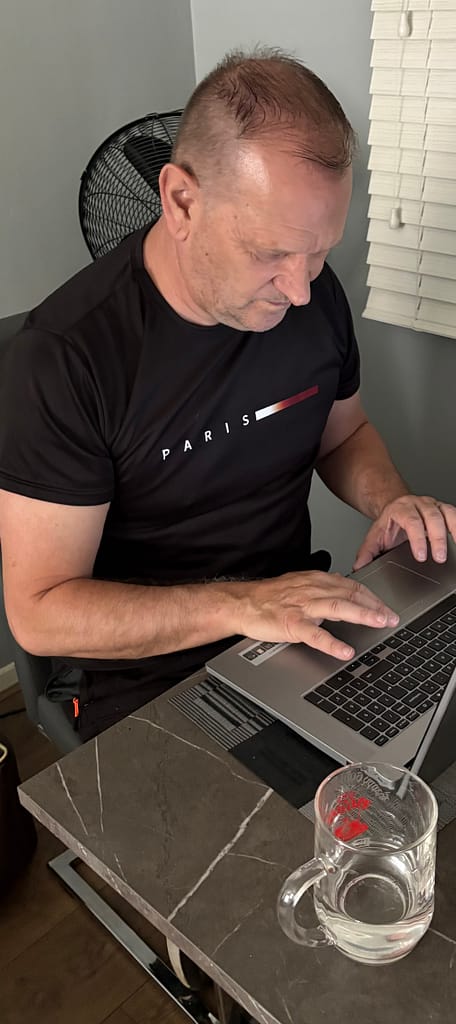
Since it was a long bank holiday weekend, I decided to embark on a de-clutter adventure—and quickly realised what a bad idea that was!
I chose two areas: The garden shed and my clothes/aftershaves.
The clothes are the real challenge; with spring here and summer approaching, the winter gear needs to go to the back.
Every year this causes a full-scale war!
We downsized to a bungalow a few years ago with a large walk-in wardrobe, but someone forgot to tell us it only works if we stop buying things.
The Summer Social Calendar
We are very lucky to have received invitations to some fantastic events this summer, including Royal Ascot.
Between those and various promotional events for the business, we’ve both decided we need a bit of a wardrobe upgrade.
My dress suits are well-used, and my business suits feel a bit dated.
So, baby arrival permitting, we are hitting the shops over the next two or three weeks.
It has sparked a real discussion: Now that we are in our sixties, what style are we going for?
Casual vs. Sophisticated: The Style Strategy
Even my business wear has changed subtly over recent years, the formal corporate look I wore for so many years has changed to some extent.
I still love a tie, but I don’t wear one as often now, as many clients prefer a casual look.
It raises a great question for the mature entrepreneur:
Is sophistication the look, or can we combine the two?
In business, your presentation is part of your Unique Selling Proposition (USP).
It’s how you set yourself apart from the competition.
For those of us visiting clients, a sophisticated yet accessible look builds the trust and personal relationship needed for long-term success.
The Reorganisation Starts
Now for the war footing, I start a pile to go, a pile to keep.
” Oh no ” says Sharon there are rules !
Really!
Oh my goodness, good job there were three days this weekend.
Rules according to my wife.
The Wardrobe War: Rules of Engagement
Downsizing and restyling a wardrobe involves moving from a mindset of “having options” to “having outfits.”
To create a curated, functional wardrobe for 2026, experts recommend establishing clear, sometimes “brutal,” rules to separate your true style from sentimental clutter. (Where did she get that from.) Someone’s been reading!
Here are the key rules for downsizing and restyling:
1. The Ruthless Edit
The 90/90 Rule: If you haven’t worn it in the last 90 days and don’t plan to wear it in the next 90, it’s out.
The Fit Test: Only keep what fits your body right now. No “waiting to lose weight” pieces allowed.
Check the Fabric: Prioritize natural fibers like cotton, linen, silk, and wool; these should make up 70% of your wardrobe for longevity.
The “One-In, One-Out” Rule: To keep the bungalow’s wardrobe manageable, for every new Royal Ascot or holiday item bought, one old item must be donated.
2. Restyling & Organization
The 80/20 Rule: You likely wear 20% of your clothes 80% of the time. Identify those essentials and build your look around them.
The 70/30 Rule: Balance your closet with 70% versatile basics and 30% statement pieces (like those Ascot dress suits).
The “No Singles” Rule: Every item you keep must be able to be styled in at least three different ways.
Reverse Hanger Trick: Turn all hangers backward. When you wear an item, face the hanger forward. In 6 months, the backward hangers tell you exactly what to donate.
3. The Final Piles
Recycle: Anything tatty, torn, or stained.
Love/Keep: Items that fit well and make you feel confident.
Donate/Sell: Good condition but unloved.
Repair/Alter: Items that need care (but only if you’ll actually do it this week!).
I have to say, working to these rules worked an absolute treat, we both have space.
Now for the fun to begin, I will keep you updated with how the restyle goes in the coming weeks.
I gave up the idea of the shed de-clutter, there might be rules for that as well!
Next Week: The Scent Section: Spring/Summer 2026
A de-clutter isn’t complete without looking at the aftershaves and perfumes. Research to be undertaken this week!
Any ideas?
Which are your favourites for both everyday use and those special occasions.
For those of us starting or scaling later in life, a mature entrepreneur business strategy relies on turning cheesy cliches, into structured time frames and accountable execution.
Writing this 8 part mini series of how to plan and run a business, particularly if you are in your sixties has been fun.
Last week, we focused on the importance of cashflow and implementing a cohesive 13-week plan.
As this overview enters the 6th week of this series.
Our attention turns to marketing.
Marketing: the strategic tool used to attract and engage potential customers before the sales process ever begins.
B2B vs. B2C: Knowing Your Marketplace
To set your business apart from the competition, you must demonstrate a deep understanding of your industry and target audience.
A lot of the clients I advise have a mixture of both, so it is important to understand the different strategies available.
The B2C ‘Sprint’
Target: Individual consumers, typically reached through retail, online shops, or trades like plumbers and cake makers.
The Strategy: There is usually no middle person involved in the transaction.
Demographics: Focus on factors such as age, gender, and income level to identify your market.
The Goal: Solve a specific “Market Need” or gap in the market quickly.
The B2B ‘Marathon’
Target: Other businesses, designers, architects,local authorities or larger contractors.
The Strategy: This path involves a much longer business cycle and a complex chain of command.
The Goal: Position your company as a trusted solution provider through long-term relationship building.
The Strategy: Facebook, LinkedIn, and Pinterest
A successful mature entrepreneur business strategy should be flexible as you learn more about your markets and trends.
You don’t need to be on every platform; you need to be on the right ones for your specific business or craft.
Facebook (The Community): We use this to highlight “Human Interaction,” a major Unique Selling Proposition (USP) that sets us apart from impersonal, AI-driven corporations.
LinkedIn (The Authority): You can share your expertise on the professional and regulatory environment to build trust with business partners.
Learning Pinterest (The Visual Engine): This is a powerhouse for visual businesses—like cake makers or manufacturers—to reach customers who plan projects months in advance.
The Road Ahead: eBooks and Real-Life Launches
Marketing generates the leads, while sales personnel, nurture them to close the deal.
To help you dive deeper, I am developing in-depth eBooks for construction and manufacturing owners, but the lessons on pricing and USPs apply to every start-up.
Following our Week 8 recap, we will begin an exciting new series featuring two real-world case studies:
The Ropho Launch: A step-by-step look at my own website/blog journey.
The Maintenance Company Launch: A real-world look at a new business I am helping a 50-year-old entrepreneur launch from the ground up.
Whether you are 50, 60, or beyond, your experience is your greatest asset in executing a mature entrepreneur business strategy.
Next Week: The Art of the Sale
Marketing has created the interest—now it’s time to generate the revenue. Join us for Week 7, where we move from the screen to the “Close.” We will cover:
Telephone Sales: How to get past the gatekeeper.
Face-to-Face: The power of the personal relationship.
Today’s Action Item
Look at your business. Are you running a B2B marathon or a B2C sprint? Your answer changes everything you post on social media today.
Is your marketing a “plan” or just a “wish”? Let me know in the comments!
eBook: “Marketing for Electrical Contractors” available to Newsletter subscribers.
PDFs available for a more in-depth look at all subjects covered in this 8-week mini-series.
As another Friday rolls around, life feels like it’s in a bit of a “limbo land.”
We are currently as mentioned in last weeks Friday post, on standby for the arrival of my son’s first child.
Our May travel plans are on hold, and I’m ready to zoom down the M3 at a moment’s notice to offer that promised support.
On the professional side, the working week is closing out.
Most of my energy has been poured into Ropho.
What started in mid-January as a “new hobby” has quickly spiraled into an obsession,and is now officially, my new business alongside my consultancy work.
It’s becoming a real-life case study in taking an idea people called “mad” for someone at my stage of life, and slowly turning it into something I’m genuinely proud of.
As I have mentioned before it is an evolving thing, trying new ideas for me, far from perfect, but I did start after months, no years of thinking about writing a blog!. That I am proud of.
Next week: I’ll be continuing my business series on planning and growth, focusing on B2B Marketing.
This is the core of my consultancy, but I’ll be adding a fresh twist: Marketing strategy for new online businesses in your sixties (mine!).
Since my life is shifting in more ways than I ever expected, I wanted to share some reflections on why I believe this is our most exciting decade yet.
🌟 Our Most Exciting Decade Yet: A New Kind of Life Chapter
There’s a moment in your sixties when the rhythm of life changes. It’s not necessarily a slowdown, but a shifting of gears.
Responsibilities that once felt urgent start to loosen their grip, and the old definition of “retirement” as an ending begins to feel obsolete.
For many of us, this decade is an invitation to redesign our lives to be more intentional and aligned, or in plain English, do what we want, when we want and how we want.
The Changing Meaning of Work
Work in our sixties is less about the ladder and more about purpose. Whether it’s consulting, creative projects, or a “second act” business, there is a profound joy in autonomy.
You choose work that fits your values.
You set boundaries you once struggled with.
You turn passions into projects, refusing to sacrifice well-being for someone else’s “urgency.”
The Rebirth of Leisure
This isn’t about “killing time” or squeezing rest between commitments.
It’s about real leisure—the kind that replenishes the spirit. It’s morning walks, instead of morning meetings.
Travel and adventure, at a pace you choose.
“You’ve earned your time back, and now you’re the one who gets to call the shots on how you spend it.”
Balancing Purpose and Rest
Balance in your sixties isn’t something you find; it’s something you create. It might mean:
Three days of work instead of five.
A mix of volunteering and personal hobbies.
Time with grandchildren paired with dedicated time for yourself.
The Freedom to Redesign
After a lifetime of building plans around careers and family demands.
Finally you have the freedom to experiment. New classes, new routines, new communities, some will stick, some won’t. But the process of evolving is profoundly energising.
🥂 Here’s to Re-imagining
If there’s a theme for this stage, it’s having Purpose in your life not productivity.
Whether you are mentoring, building a community, or launching a “mad” new business like Ropho, purpose is personal.
Your sixties aren’t about winding down; they are a re-imagining.
It’s not about “staying young”—it’s about staying engaged and enjoying life.
Here’s to working when it feels meaningful, resting when it feels right, and embracing a decade filled with intention, freedom, and possibility.
Your sixties aren’t the final act—they’re a beautiful new chapter. And you get to write it.
Wishing you all a wonderful Bank Holiday weekend—and hopefully, for me, some very special news from the M3!
Wednesdays – A 60+ Lifestyle Update, where this week we discuss 3 things that are taking up a lot of my thinking time.
What to eat? Where to book my next, much needed break and why home is my “miserable sanctuary”.
The “Resting Face” Revelation
I know a person who can be perceived as being miserable.
Apparently it started from a young age his mother would often say Stephen what’s the matter with you?
” Even then, it got my back up because, in my head, I was perfectly happy!
Inside my head I am overflowing with happiness and positive thinking.
What’s been a revelation is my granddaughter in a moment of what can only be described as a hissy fit.
Flounced up our garden path, didn’t knock, just stormed in and deposited herself on our sofa.
Grandad can I come and live with you?
Why’s that I asked (i already knew her mum had just phoned, “you need to talk to your grand daughter she’s always miserable and just grunts at me”)
Well hallelujah!
I say “you were exactly the same” No I was not she says “ I was a happy child.”
And then my granddaughter said it.
In all seriousness.
“It’s ok grandad!
“It’s a common thing I have a resting bitch face inside I’m singing along to Taylor Swift.”( she’s only 13).
Well in that moment everything became clearer.
Apparently I’ve been living in a cave it’s a well known saying.
But literally I knew what she meant.
Not sure what the male equivalent is?
Comment Below?
But this is an important lesson, maybe I should have learnt it years ago.
It is this, you can never know what someone is thinking or feeling inside.
But equally if I’m feeling happy I should smile more and share it with someone,who knows it may make them smile or laugh. You never know.
It was a lightbulb moment.
But it also made me reflect on a funny irony, In my professional life, I’m the one promoting positive thinking and smiling with clients – it’s a major driver of how I do business.
Perhaps I spend so much energy “radiating” at work that by the time I get home to the people who support me most, my face just decides to take a break!
The truth is, as a family, we laugh a lot and have an enormous amount to be grateful for.
It’s part of life’s rich tapestry, but it’s a good reminder: even if you’re “singing on the inside,” make sure the people in your inner circle know they’re appreciated.
Share the smile with them first.
Why Laughter and Smiling are Essential After 60
1. Physical Health & Pain Management
Boosts Immune System: Aging often brings a weaker immune system. Laughter increases immune cells and infection-fighting antibodies, helping to defend against viruses.
Improves Heart Health: A hearty laugh increases blood pressure initially, but then lowers it, relaxing blood vessels and improving circulation, which reduces the risk of stroke and heart disease.
Relieves Chronic Pain: Laughter releases endorphins, the body’s natural painkillers. Studies have found it can significantly reduce pain levels for those dealing with arthritis or other chronic discomforts.
“Inner Jogging”: Laughter acts as a light workout, engaging the diaphragm and abdominal muscles. This improves oxygen intake and aids respiratory function, which is particularly helpful for those managing asthma or bronchitis.
2. Mental & Emotional Well-being
Combats Depression & Anxiety: Laughter lowers cortisol (the stress hormone) and adrenaline while increasing neurotransmitters like dopamine and serotonin, which boost mood and ease feelings of depression.
Reduces Stress: It acts as a “natural safety valve,” reducing physical tension for up to 45 minutes after a good laugh.
Boosts Cognitive Function: Studies have shown that humor and laughter can improve memory and learning abilities in older adults, offering a vital mental boost as we age.
Lifestyle Update: My Favourite European Breaks:
As we get older, for me travel is the ultimate smile creator.
Doing things we want to, when we want to without any pressure, is truly relaxing, enjoying the different scenery, history and culture of a place and its people.
I still love the family holiday with the kids and the grandchildren and all the excitement and fun that brings.
Now though i want to experience my breaks and holidays with Sharon at a different pace.
It becomes less about squeezing everything in and more about enjoying where you are. Less about distance, more about quality.
For me, holidays are about shared experiences.
Walking, talking, eating well, laughing, and creating memories with the people who matter.
Those moments have a way of bonding us that everyday life rarely does.
And you don’t have to go far to find them.
Within four hours of the UK are cities, coastlines and cultures that deliver everything from romance to relaxation.
Without the fatigue that can come with long-haul travel.
Here are a few of my favourite, fantastic destinations you can reach quickly, ideal for relaxed travel in your 60s and beyond.
Madeira 🇵🇹
Technically Portugal but completely unique, it is the perfect destination because of its year round temperate “eternal spring” climate.
It has a sophisticated, slower pace of life feel that is fantastic for recharging the batteries.
Easy Transportation:
While hilly, the island is easily navigable with an extensive taxi service, comfortable tour buses, and cable cars, ensuring you can see the sights without driving.
It has fantastic restaurants and bars, covering the whole spectrum, from my favourite traditional snack bars to fine dining, it has it all.
Madeira was my mother’s favourite destination and had to be on my list.
Coffee houses, palaces, classical music, Christmas markets, pure charm.
Vienna holds a special place in my heart, as this was our very first overseas trip together 24 years ago celebrating my wife’s 40th birthday.
Like everywhere places change, but for me Vienna takes Number 1 spot as one of the nicest cities, I’ve been lucky enough to visit.
Since our first visit 24 years ago, Vienna has mastered the art of staying “grand” while becoming one of the world’s most liveable modern cities.
The Coffee House Culture: It’s actually protected by UNESCO. Places like Café Central or Sacher are iconic, but for a local feel, try Café Sperl – it looks exactly as it did in the 19th century.
The Belvedere: If you love art, the Upper Belvedere houses Klimt’s The Kiss. The gardens between the Upper and Lower palaces offer one of the best free views of the city skyline.
A Modern Twist: The Prater district has seen a culinary revival, blending the old-world ferris wheel charm with high-end dining.
Perfect for: romantic weekends, culture lovers.
Greek Islands 🇬🇷(3–4 hrs depending on island)
Santorini for sunsets, Crete for beaches & food, Rhodes for history, Corfu for greenery.
Having visited a number of the islands as a family and as a couple the diversity of the islands is amazing.
With over 200 islands, from beautiful beaches and coastline views to iconic historical landmarks.
Crete (The Foodie Peak): It’s famous for “Cretan Dakos” a traditional rustic Greek salad. It is often described as the Greek version of bruschetta, although it has its own unique character and historical roots. Crete is also famous for its high-quality olive oil. The White Mountains provide a stunning backdrop to the turquoise waters of Elafonisi.
Rhodes (The Living History): The Old Town is one of the best-preserved medieval cities in Europe. Walking the moat at sunset is a must.
Travel Tip: Many islands are now connected by high-speed catamarans, making “island hopping” much easier than it was two decades ago.
Warm seas, wine, slow evenings by the harbour.
Perfect for: sunshine, relaxation, lazy dinners.
Italy 🇮🇹 (3 hrs average)
Average flight times from the UK/Central Europe sit right at that 2.5 to 3-hour sweet spot.
Italy has always been a favourite destination of mine, whether it’s the bustling cities like Milan,Florence and Rome the tourist hot spots or the lesser known gems.
There are too many for me to list here.
My son and daughter have an Italian heritage from my first wife’s father who was born in Milan.
As a result we have visited Italy a lot over the years and will continue to do so.
Sicily: Currently seeing a huge surge in “slow tourism.”
The Valley of the Temples in Agrigento is world-class.
But the real joy is a granita and brioche for breakfast in a sun-drenched piazza.
Rome for history, Florence for art, Venice for romance, Sicily for food & coast, Lake Garda for scenery.
Lake Garda: For a relaxed pace, the northern town of Riva del Garda is dramatic and alpine, while Sirmione in the south offers Roman ruins and thermal baths.
Italy fits every mood, and the food alone is reason to go.
Perfect for: culture, pasta, wine, passion.
Meal of the Week: The “Director’s Menu” for Heart & Bone Health
I’ve talked about laughter being “inner jogging,” but your engine needs the right oil.
As we navigate our 60s, our diet shouldn’t be about “denial”—it should be about Capital Investment.
We are investing in our heart and our bone density so we can keep walking those Levadas in Madeira or the cobbles of Vienna.
I asked for your favourite healthy recipes recently, and while there was no single winner, these four are the “Core Assets” I’m keeping in rotation:
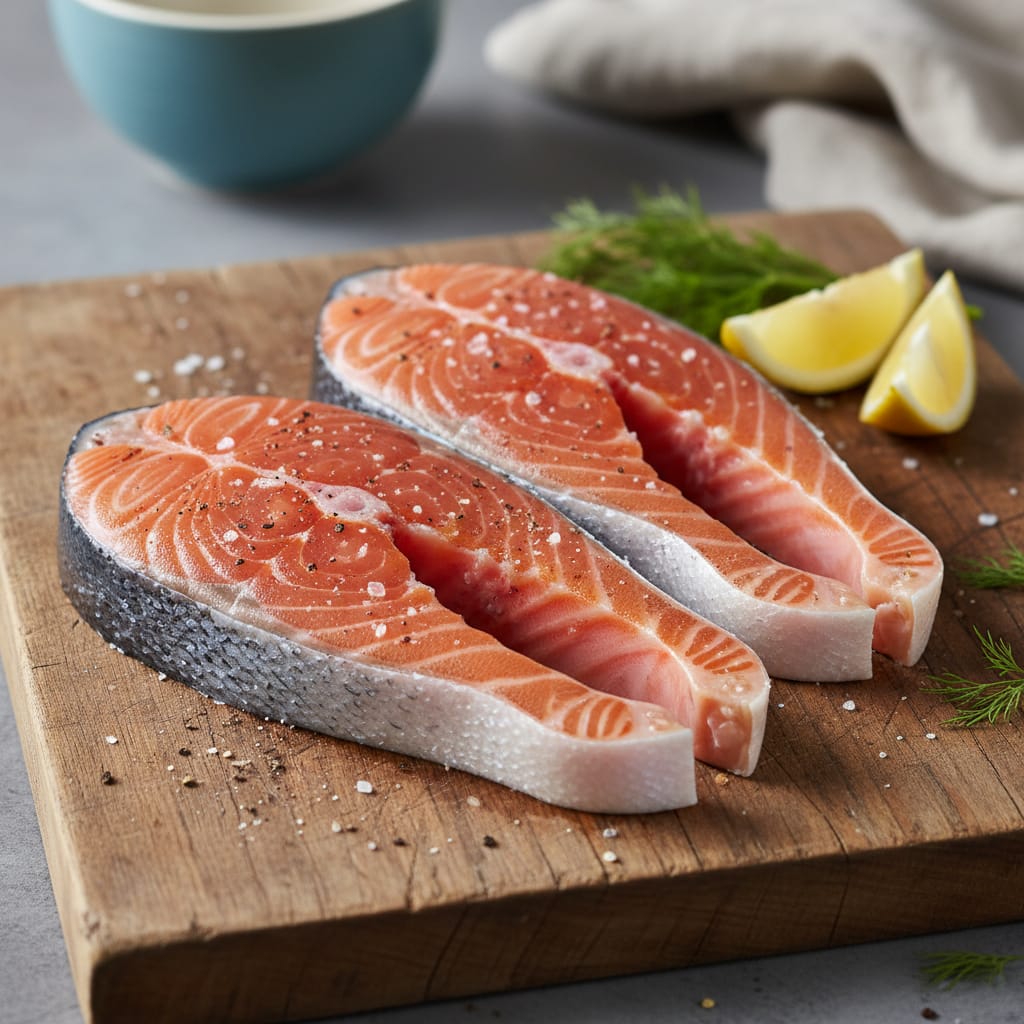
The Top Performer: Pan-Seared Salmon & Wilted Kale. This is my personal gold standard. The Omega-3s keep your arteries flexible, and the Kale provides Vitamin K—the “glue” that keeps calcium in your bones.
The “Lean & Mean” Turkey Chili: A fantastic way to get high protein without the saturated fats. It’s heart-health in a bowl.
The Energy Booster: Grilled Chicken, Quinoa & Kale: Quinoa is a “super-grain” providing the magnesium we need for steady energy and bone strength.
The Quick Fix: Cottage Cheese & Spinach Omelette: When time is tight, this is a calcium powerhouse.
Steve’s Tip: Just like in business, quality in equals quality out. I’ve started sourcing my fish and meat from a local butcher and fishmonger. We’re at the stage of life where we should eat less “stuff,” but much better quality.
The Final Word: Life’s Rich Tapestry
Whether you’re trying a new Turkey Chili recipe, boarding a flight to Porto, or just sitting on the sofa singing Taylor Swift on the inside.
The goal is the same: to live a growing, fulfilled, and desirable life.
We manage our business cash flow and our 13-week forecasts (see Monday’s post!).
Not because we love spreadsheets, but because we love the freedom they buy us.
They buy us the “Presence” to be with our families and the “Peace of Mind” to enjoy those European sunsets.
What’s taking up your thinking time this week?
Are you a fellow “Resting Face” sufferer? Comment below—I’d love to hear your thoughts.
📬 The Deep Dive
If you want to go deeper into the “Physical Forecast,” I’ve put together a comprehensive Heart & Bone Health Recipe List and a Healthy Eating Checklist specifically for us over 60’s.
I’m also sharing the full breakdown of my Ropho Business Template to help you secure that 90-day freedom.
It’s all available in my new weekly newsletter. Join the circle here:
We have all heard the cliché that “Cash Flow is King”.
While it might sound cheesy, in the 2026 economic climate and our highly regulatory culture, it is more relevant than ever.
A well-thought-out plan is essential for operating a professional, sustainable business.
While profit is the goal, cash is the fuel.
A 13-week window is the industry standard because it captures a full VAT quarter—preventing the “tax season panic” by making upcoming non-negotiable outflows visible well in advance.
Why a 13-Week View is the “Gold Standard” for Your Business
By the time you’ve been in business for thirty or forty years, you develop a “gut feeling” for your bank balance.
But in today’s UK economy, gut feeling isn’t enough to satisfy lenders, and it isn’t enough to protect your legacy.
The 13-week rolling forecast is simply a three-month look ahead.
It’s the industry standard because it aligns perfectly with a VAT quarter.
It moves the conversation from “What happened last month?” to “What is coming at us in the next 90 days?”
The Core Benefits: No Surprises, No Panic
1. An Eight-Week “Early Warning” System
If you have a cash shortfall coming, you need time to fix it.
Finding out on a Friday that you can’t meet Monday’s payroll is a crisis.
Finding out eight weeks in advance is just an administrative task.
A 13 – week window acts as an early warning system.
It gives you the “vital breathing room” – at least eight weeks of lead time – to address predicted shortfalls.
It gives you the time, to chase late payers, negotiate with suppliers, or arrange a short-term facility with the bank.
2. Eliminating Surprise
Vat, Paye, and National Insurance are non-negotiable.
They shouldn’t be surprises. By looking 13 weeks ahead, these “big hits” stay visible on your dashboard at all times.
You stop seeing that money as “available cash” and start seeing it as “reserved funds.”
3. Proactive, Not Reactive
Instead of checking your bank balance to see if you can afford a new hire or a piece of equipment, you check your forecast.
It allows you to model “what-if” scenarios. “If we lease that new van in Week 6, what does our bank balance look like in Week 12?” It replaces guesswork with data.
4. Credibility with the Bank
If you ever need to borrow money or renew a facility, a professional 13-week forecast is your best weapon.
It proves to a lender that you are in total control of the numbers. It moves you from a “high-risk” category to a “managed-risk” category.
Alignment: It ensures your projections are realistic and accounts for the regulatory environment, such as health and safety or building regulations that impact your industry
.
The Ropho Method: A Better Way to Look at Numbers
In my PDF portfolio, I introduce the Ropho method (Rolling-Projected-Historical-Outcome). This ensures your financial plan is not a “one-time event” but an evolving tool. It involves:
Rolling: We update it every week. As one week finishes, we add a new “Week 13” at the end. It never stops.
Projected: We put in our best estimates for the future based on the work we have booked and the bills we know are coming.
Historical: Using past financial performance as a guide for future accuracy. We look at what actually happened last week. Did we spend more than we thought? Did a client pay late?
Outcome: This is the bottom line. It’s the projected bank balance at the end of the 13 weeks. Highlighting how balance sheets and income affect your actual cash equivalents.
Why I Recommend a Template Over “Automated” Software
Software like Sage and Xero is excellent for keeping your books for the tax man.
But for steering the ship, I often recommend a dedicated template.
Why?
Because your Business is Unique to You!
Because manually reviewing the numbers once a week forces you to engage with the reality of the business.
It’s the difference between looking at a map and actually driving the car.
It keeps you sharp, keeps you informed, and – most importantly – it keeps you in control.
Final Thought for the Director
You’ve worked too hard to let a “timing gap” or a late-paying client cause you unnecessary stress.
A 13-week forecast isn’t just an accounting tool; it’s a peace-of-mind tool.
It ensures that the business you’ve built stays as solid as the day you started it.
“A 15-minute review of your 13-week forecast can save months of financial stress.
I’ve written a more in-depth analysis of why cash flow management is so critical for UK directors in 2026, including a breakdown of my custom ROPHO template.
It’s available in my newsletter as part of this 8-week series. Join the conversation here.”
As I was driving to my appointment today, I found myself thinking something potentially controversial:
I enjoy being a grandparent so much more than being a parent.
There, I said it! But why is that?
Is it the lack of “ultimate responsibility” that we carried as parents?
Is it the pure, unadulterated joy of watching their achievements from the sidelines?
Or is it simply the license to spoil them rotten and then hand them back?
It’s a different kind of love – one that feels a bit lighter but just as deep.
The “Big” Question: Who’s the Favourite?
Of course, it wouldn’t be a family gathering without the age-old drama.
This week, they’ve all been at it—from the youngest to the eldest:
“Who is the favourite grandchild?” It’s the one problem I’m not sure I can solve with a cash-flow spreadsheet!
I want to hear from you:
Do you find the grandparent role more rewarding than the parenting years? And how on earth do you answer the “favourite” question without starting a riot?
My role always seems to be taxi driver, taking, watching and sometimes joining in with their activities.
What’s your favourite grandchild moments, is it holidays or being there for their achievements. Let us know.
Leave your tips (and your recipes!) in the comments below.