
The Difference Between Managing and Leadership
And Why Confusing the Two Holds Businesses Back


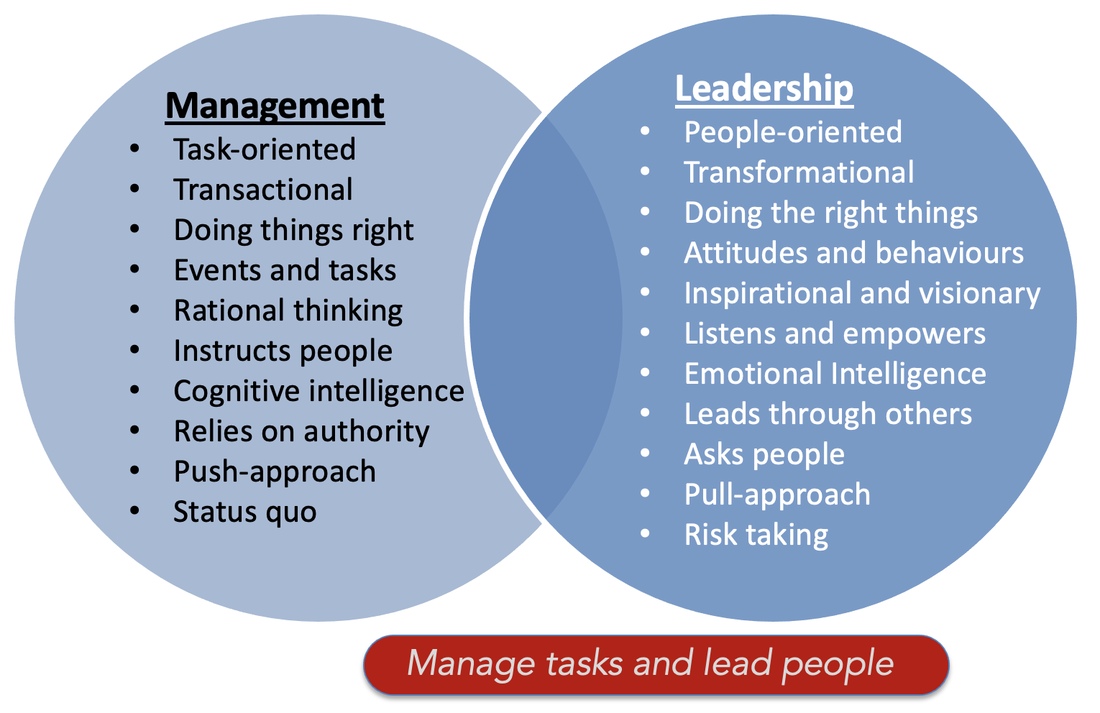
One of the most common issues I see when working with established businesses is not a lack of effort, experience or even talent.
It’s confusion.
Specifically, confusion between managing and leading.
The two words are often used interchangeably, but they are not the same thing. In fact, when they are, they become blurred together.
Productivity stalls, accountability weakens and people become frustrated without quite knowing why.
I saw this very clearly in a recent manufacturing meeting.
The conversation was meant to be about output and efficiency.
But it quickly became obvious the real problem wasn’t the production line, it was leadership, structure and clarity of roles.
Let’s break this down in practical terms.
What Management Really Is
Management is about control, structure and consistency.
Good management ensures that:
- tasks are clearly defined
- processes are followed
- deadlines are met
- resources are allocated correctly
- standards are maintained
Managers ask questions like:
- What needs to be done?
- Who is responsible?
- When does it need to happen?
- Are we on track?
Strong management keeps the business running day to day.
Without it, things drift, mistakes multiply and nobody is quite sure what’s expected of them.
But management alone is not enough.
What Leadership Really Is
Leadership is about direction, belief and people.
Leadership answers different questions:
- Where are we going?
- Why does this matter?
- What does success look like?
- How do we behave while we get there?
Leaders create clarity, confidence and momentum.
They don’t just manage tasks, they influence thinking, decision-making and culture.
Good leadership:
- gives people purpose
- sets behavioural standards
- empowers decision-making
- builds trust and accountability
- aligns effort with vision
Where management maintains systems, leadership moves people.
The Problem When the Two Are Confused
Many businesses suffer because managers are expected to lead without being given the authority, clarity or skills to do so.
Common symptoms include:
- people waiting to be told what to do
- decisions constantly being escalated
- managers firefighting instead of improving
- unclear ownership of problems
- frustration on both sides
In these situations, managers are often overloaded with responsibility but underpowered in influence.
They’re managing activity, but nobody is truly leading direction.
Equally, some leaders avoid management altogether, great vision, but poor execution.
Neither works on its own.
Why This Matters More As Businesses Mature
In younger businesses, energy and informality often compensate for weak structure.
As businesses grow, especially owner-led firms with long-serving teams, this stops working.
Experience increases. Complexity increases. Expectations increase.
At this stage:
- roles must be clearly defined
- authority must match responsibility
- leadership must be visible and consistent
- managers must be supported, not blamed
The most effective organisations understand this distinction and deliberately develop both capabilities.
Getting the Balance Right
Strong businesses don’t choose between management and leadership, they build both.
Practical steps include:
- clearly defining who manages and who leads (and where they overlap)
- training managers to think beyond tasks
- ensuring leaders stay connected to operational reality
- setting clear expectations around decision-making authority
- reviewing structure as the business evolves
When people know what they own, what they can decide and what they’re accountable for, performance improves, almost immediately.
Final Thought
If your business feels busy but not productive…
If good people seem hesitant or disengaged…
If decisions are slow and accountability unclear…
The issue may not be effort or competence.
It may simply be that management and leadership are being treated as the same thing.
They’re not.
And once you understand the difference, you can fix far more than you might expect.
A Practical Guide to Business Goal Setting & Action Plans
If this reflects challenges you’re seeing in your business, you can get in touch or subscribe for free, no-nonsense advice.
Leave a Reply