Author: stevek

  • Why Closing Isn’t the Most Important Part of B2B Sales

    🟦 Business After 60 Conversation

    (Week 5)
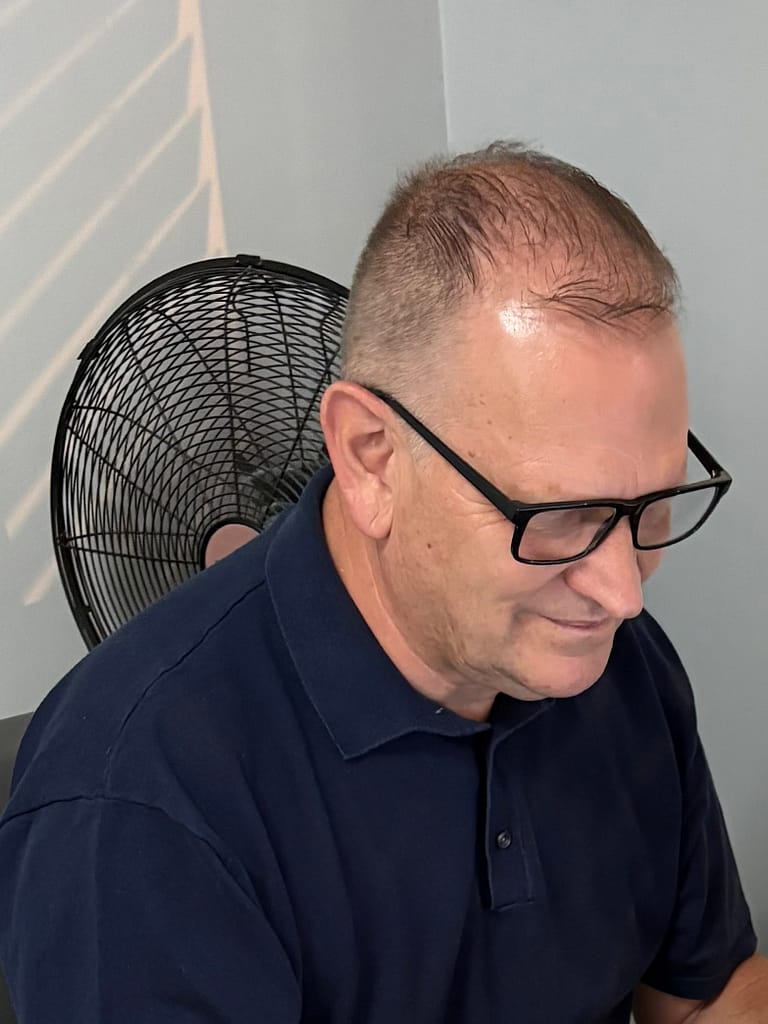
    Why Closing Isn't the Most Important Part of B2B Sales

    Last week, we talked about asking better questions and building trust.

    Most people think closing is the most important part of B2B sales.

    I don’t.

    In my experience, by the time you ask for the business, the sale should already have been won.

    Early in my career, my sales manager used to say, “I need our best closers on this deal.”

    Back then, we were trained on all the classic toolbox tricks: the Alternative Close, the Assumptive Close, the Impending Event Close. We were taught clever verbal manoeuvres designed to corner a buyer into saying yes.

    Looking back, I think we were concentrating on the wrong end of the sales process.

    The close isn’t where the sale is won. It’s simply where all the preparation that came before it comes together.

    If you’ve applied the Look, Read, Watch, Listen habits from the start of this series, you’ve already laid the groundwork.

    • You climbed the Ladder of Approach (Week 3), systematically uncovering and resolving objections with each department before moving up to the next rung.
    • You asked deep diagnostic questions (Week 4) to quantify site constraints, operational risks, and the true cost of failure.

    I’ve never believed great salespeople are brilliant closers. I believe they are brilliant preparers.

    They research better. They ask better questions. They listen more carefully. They build trust and technical credibility.

    By the time they ask for the business, the decision has practically been made.

    Great B2B Sales Aren’t “Closed”—They Are Concluded

    When the groundwork is done, the dynamic of the final meeting fundamentally changes. You aren’t trying to persuade a senior decision-maker to buy something they might not need.

    Because you’ve already spoken to the people who will use or manage the solution every day, the final meeting rarely becomes a sales presentation.

    It becomes a confirmation that everyone is ready to move forward.

    That’s exactly what your Ladder of Approach is about.

    “What a fascinating operation you have here. Having spoken to your teams across engineering, operations, and procurement, I feel we’ve thoroughly addressed the core pain points and site constraints they raised. As I understand it, they’ve shared their findings with you and recommended moving forward with our proposal.”

    Notice the shift? You aren’t saying, “Let me convince you.”

    You are asking, “Have we covered everything you need to move forward?”

    What to Do When They Hesitate

    If the answer is hesitation, do not panic. And above all, do not start offering discounts.

    When technical trust has been established, price is rarely the real hurdle. A hesitation at this final stage isn’t a rejection—it’s just an unaddressed concern floating to the surface.

    Resist the urge to push. Instead, ask one clean, open diagnostic question:

    “It sounds like there’s still a hesitation. What’s the main hurdle standing between where we are right now and getting this project started?”

    More often than not, they’ll tell you what’s really holding things up.

    It might be a…..

    A board sign-off.

    A budget meeting next month.

    Someone being on holiday.

    Another department that suddenly needs to be involved.

    Don’t see that as a setback. You’ve simply discovered the next conversation that needs to happen before the project can move forward.

    That’s business. It happens more often than you might think.

    Remember the Ladder of Approach we talked about in Week 3?

    Sometimes you discover there’s one more rung you didn’t know existed.

    That’s not a failed sale; it’s simply the next step.

    The Sale Is Only the Start

    The purchase order is not the end of the relationship; it is the absolute beginning.

    Great businesses don’t just win customers—they keep them.

    The salesperson who stays involved after the order, ensuring commitments are delivered and initial hiccups are resolved, is the salesperson who creates customers for life.

    The best salespeople don’t “close” customers. They build enough trust that the customer simply chooses to move forward.

    Looking Ahead to Week 6…

    Now that we’ve deconstructed the entire sales process—from initial research to concluding the deal—we are left with a critical question for business leaders:

    How do you actually hire someone who can do this?

    Next week, we’re taking a fast-paced, practical and slightly controversial look at sales recruitment…and why the infamous “Sell me this pen” interview test is testing the exact opposite of what makes a great B2B salesperson.

  • Living Well After 60: The Little Things That Change

    Living well after 60 - Three conversations for the weekend.

    ☕ Weekend Conversation:

    Living well after 60 isn’t about chasing youth or pretending we’re still thirty. It’s about adapting, learning and making the most of every stage of life.

    This week, three everyday conversations reminded me just how much life changes as we get older—from the face looking back at us in the mirror, to the small print on a travel insurance policy, and even planning a dinner party with friends.

    Living Well After 60: The Face in the Mirror

    As I’ve advanced in years, my face has started telling stories I’d rather it kept to itself.

    Hair now seems determined to grow everywhere I don’t want it, while quietly disappearing from the places I wish it would stay.

    My eyebrows appear to have ambitions of becoming a separate life form, while my ears and nose seem to have joined some secret hair-growing competition.

    Shaving isn’t as straightforward as it once was, either. The lumps, bumps, skin tags, and the odd age spot mean a traditional wet shave requires a little more concentration than it did twenty years ago.

    I still love the closeness of a razor, but there are days when common sense takes over.

    That’s probably why I have a Philips, a Remington, and a Braun electric shaver sitting in the bathroom. Each seems to have its own purpose depending on what sort of face greets me in the mirror that morning.

    Sharon laughs, but she’s fighting her own battles! The tweezers seem to come out more often these days for the odd stubborn chin hair that appears from nowhere, and her eyebrows also develop a mind of their own if left unattended for too long.

    And, of course, there are the reminders of our younger years. Like many of my generation, I spent countless hours on golf courses convinced that sunshine was simply something to be enjoyed, not something to be protected against.

    Sun cream wasn’t part of the routine back then. Today, those years have left me with a few age spots and moles that I keep a close eye on—and ask my GP to check whenever something changes.

    None of this is about trying to look thirty again.

    It’s simply about looking after the face that has travelled with us for more than sixty years, and making sure it stays as healthy as the rest of us.

    Living Well After 60: Travel Insurance and the Small Print

    Our second conversation this weekend came about after chatting with friends who recently returned from a holiday having learnt a very expensive lesson.

    Like many of us, they’d bought travel insurance believing they were fully covered.

    Unfortunately, when something unexpected happened, they discovered that not everything had been declared in quite the way the insurer expected.

    Without going into their personal details, it was enough to make Sharon and I look at each other and say, “Perhaps we ought to check our own policy before we book anything else.”

    With trips to Crete and Thailand on the horizon, our travel insurance is about to come under the microscope.

    Having a pacemaker means I already know I’ll need to answer more medical questions than I did twenty years ago, but it also made me wonder what else insurers expect us to declare:

    • Is it just major operations?
    • What about high blood pressure or cholesterol tablets?
    • Diabetes or joint replacements?
    • Previous cancer treatments?
    • Sleep apnoea or even anxiety medication?

    The list soon becomes longer than most of us expect.

    It’s easy to focus on finding the cheapest premium, but the better question is: “If something happens 2,000 miles from home, will this policy really look after us?” That’s a very different question.

    Over the years, I’ve used Staysure for several trips, and as someone with a pacemaker, I’ve found their medical screening process straightforward.

    That doesn’t necessarily mean it’s the right insurer for everyone, but it shows there are companies specialising in older travellers and pre-existing medical conditions. Other insurers that many over-60s consider include AllClear and Saga.

    The golden rule: Compare cover, not just price, and make sure the policy matches your exact medical circumstances and travel plans.

    Living Well After 60: The Evolving Dinner Party

    The third conversation this weekend started with something Sharon and I genuinely love—dinner parties. For many years, we’ve enjoyed sharing an evening with friends around the table. Good food, good wine, and even better conversation.

    But as the years have passed, dinner parties have become slightly more complicated.

    Once upon a time, the only questions were:

    1. “How many people are coming?”
    2. “What are we cooking?”
    3. “Which wine shall we open?”

    Now? There’s a bit more to consider:

    • One friend is watching their weight.
    • Another is managing cholesterol.
    • Someone else has to watch their salt intake.
    • Another has cut back on alcohol.

    Suddenly, planning a weekend menu requires almost as much thought as planning a trip to Thailand!

    We are lucky to have a wonderful group of friends. Six couples, taking turns throughout the year, each hosting one dinner party.

    It’s become one of those traditions that we value more as time goes on.

    Our turn is coming up after we return from Crete, so naturally my thoughts have turned towards what to cook.

    And because we will have just returned from Greece, it got me thinking about Mediterranean cooking.

    For years, I’ve automatically reached for Italian olive oil. Perhaps that’s because Italian food has always played a big part as my children had an Italian grandfather.

    But after visiting Greece, I started wondering…

    Have I been overlooking Greek olive oil?

    Greece has a huge olive-growing tradition, and many Greek dishes rely on olive oil as one of their key ingredients.

    Is it different from Italian olive oil?

    Does it have a stronger flavour?

    Is one better for cooking while another is better for dipping with bread, salads or finishing dishes?

    Perhaps the real lesson is that Mediterranean cooking has always been about simple ingredients:

    • good olive oil
    • fresh vegetables
    • fish
    • lean meats
    • herbs
    • sensible portions

    Which actually fits rather well with how many of us want to eat after 60.

    What is your favourite dinner party dish that always gets people talking?

    And are you an Italian olive oil person, or have you discovered Greek olive oil?

    Looks like I’ve got another excuse to do a little research during our trip.

    Ropho Reflection

    Living well after 60 isn’t about expensive products, perfect health or giving up the things we enjoy.

    It’s about making small adjustments as life changes.

    Looking after ourselves rather than assuming getting older means simply putting up with things.

    Taking the time to read the small print before we travel.

    Cooking fresh, simple food that brings friends and family together.

    None of those things are dramatic on their own, but together they help us enjoy life with confidence, wherever the next adventure takes us.

    Now it’s over to you.

    Which of this weekend’s three conversations struck a chord with you?

    I’d love to hear your experiences in the comments.

  • Strength Training After 60: More Than Building Muscle – Ropho

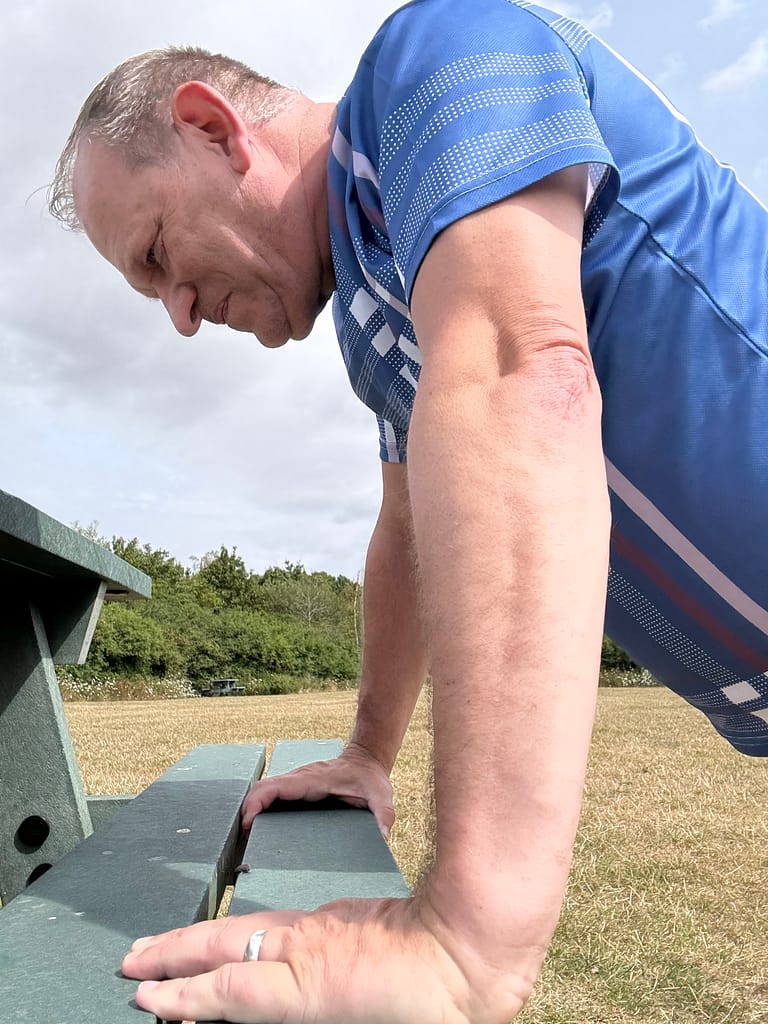
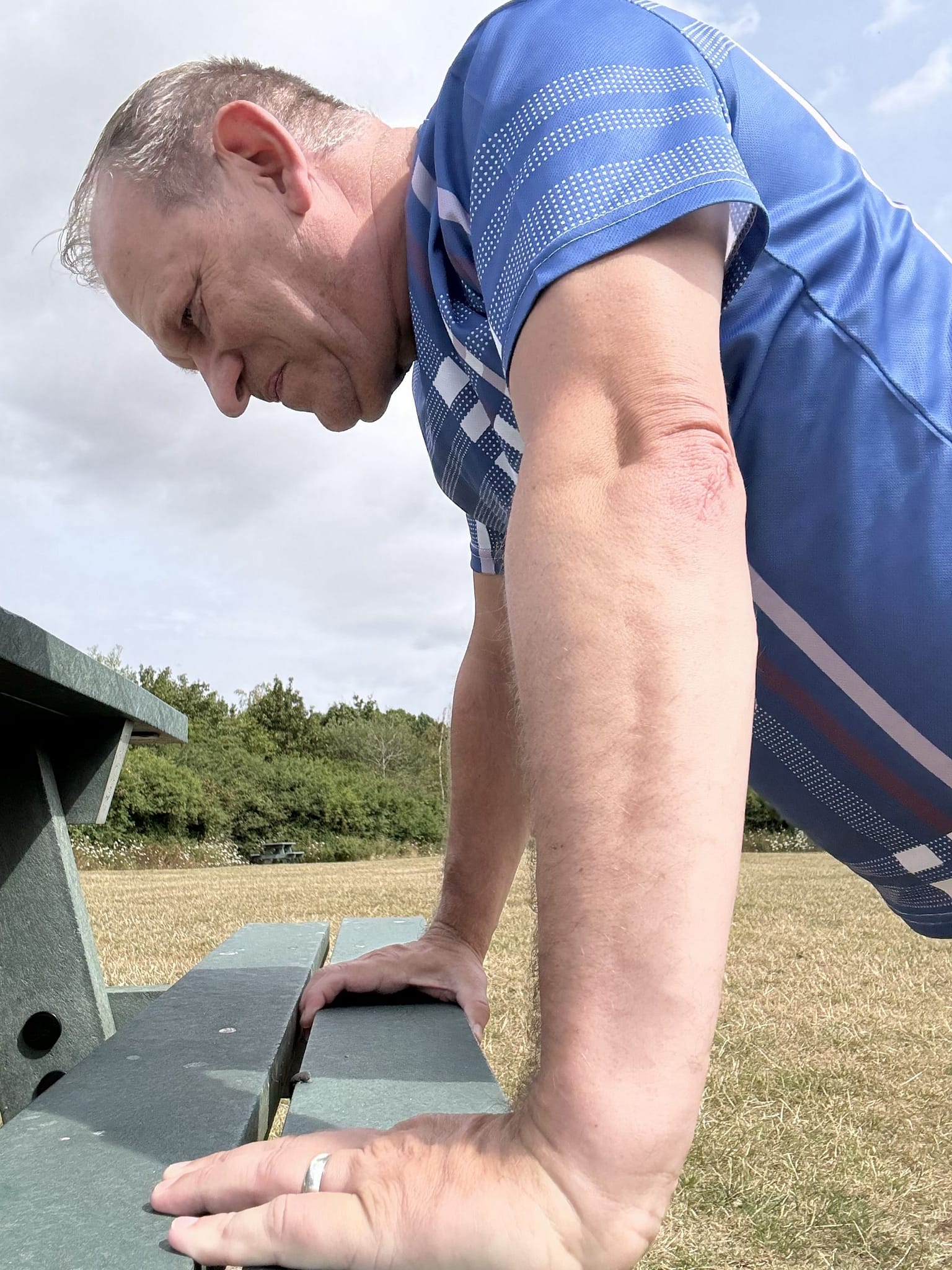
    Strength training after 60 - Outdoor beginners push up on a sturdy park bench.

    🟧 Midweek After 60 Conversation

    Is Strength Training After 60 Just About Muscle?

    Strength training after 60 probably isn’t the first thing most people think about when they want to stay healthy. Walking usually tops the list, followed by swimming, cycling or perhaps a gentle yoga class.

    They’re all excellent. But after a conversation with Sharon recently, I realised many people—especially women—still misunderstand what strength training is really about.

    The benefits of strength training after 60 go far beyond building muscle.

    Resistance exercise can help maintain bone density, support healthy joints, improve balance and make everyday activities easier. For women after menopause, these benefits can be especially valuable.

    When most people hit their 60s, the default advice usually sounds something like: “Take it easy, go for light strolls, maybe take up bowls.” Now, don’t get me wrong. I love a good long walk across the countryside to clear the mind as much as anyone.

    But if you think gentle cardio is all it takes to stay vibrant, active, and fully independent, we need to have a quick chat over coffee.

    Since we got home, Sharon has been looking through the photos and, like many women, has been saying, “Look at those bingo wings.”

    “Well,” I said, “why don’t you join me for a couple of strength sessions each week?”

    “No chance. I don’t want to end up looking like Arnie!”

    That made me laugh for two reasons.

    First, she still calls Arnold Schwarzenegger ‘Arnie’. Second, it highlights one of the biggest myths about strength training.

    Building noticeable muscle takes years of consistent training, progressive overload, plenty of recovery and enough protein to support that growth.

    Two or three sensible sessions a week simply don’t turn anyone into a bodybuilder.

    Which got me thinking… is strength training really just about building muscle? And is it actually even more important for women after sixty?

    The short answer? No, it’s not just about muscle—and yes, for the women in our lives, it is absolute gold dust.

    If you’ve ever looked at a pair of dumbbells or resistance bands and thought, “That’s for younger folks or gym obsessives,” let’s bust that myth right now.

    Strength Training After 60 – It’s Not About Biceps—It’s About Armour

    When people hear “strength training,” they often picture bodybuilders or lifting heavy iron in sweaty rooms. But framing resistance work as just a tool for building muscle misses about 80% of what it actually does for a body in its 60s.

    Think of lifting weights or using resistance bands as building internal armour.

    1. Protecting Your Bones (The Osteoporosis Armour)

    Here’s a fact of biology: after 50, our bone density naturally starts to slip. For women post-menopause, the sharp drop in estrogen accelerates this rapidly—women can lose a significant amount of bone density in the years around menopause, making resistance exercise particularly valuable for maintaining bone health.

    Walking is brilliant for your heart, but it isn’t enough to signal your bones to rebuild. When you pull on a resistance band or lift a weight, your muscles pull directly on your bones. That mechanical tension acts like an alarm clock for your bone-building cells, telling them: “Hey! We need to lay down more density here!” It’s the single best defense against fractures in key areas like hips, wrists, and the spine.

    2. Safeguarding Your Joints

    Got a dodgy knee or a stiff shoulder? The reflex is often to rest it. But surrounding that joint with stronger, active muscle acts like a built-in shock absorber. It takes the direct load off worn cartilage, making everyday movement smooth and pain-free.

    3. Improving Balance and Reducing the Risk of Falls

    Tripping over an uneven paving slab or a rogue step off a curb happens to everyone. The difference between taking a nasty tumble and simply catching yourself often comes down to balance, coordination and your body’s ability to react quickly. Strength work trains the brain-to-muscle connection so your body reacts instantly when you lose your footing.

    Why Strength Training Is So Important for Women After 60

    While strength training is vital for men wanting to keep their energy, drive, and mobility firing on all cylinders, it is an absolute superpower for women in their 60s.

    Because women naturally start with less muscle mass than men, age-related muscle loss can have a bigger impact on everyday strength and independence.

    When women start incorporating progressive resistance into their weekly routine, the transformation isn’t just physical—it’s liberating:

    • Everyday tasks become effortless: Heavy suitcases, big bags of compost in the garden, or lifting awkward items around the house no longer require waiting for a hand.
    • Posture lifts instantly: Strengthening the back and core reverses that subtle slouch, keeping you standing tall, open, and confident.
    • Vitality surges: Muscle acts as a main engine for burning glucose and regulating metabolism, keeping your daily energy levels consistent.
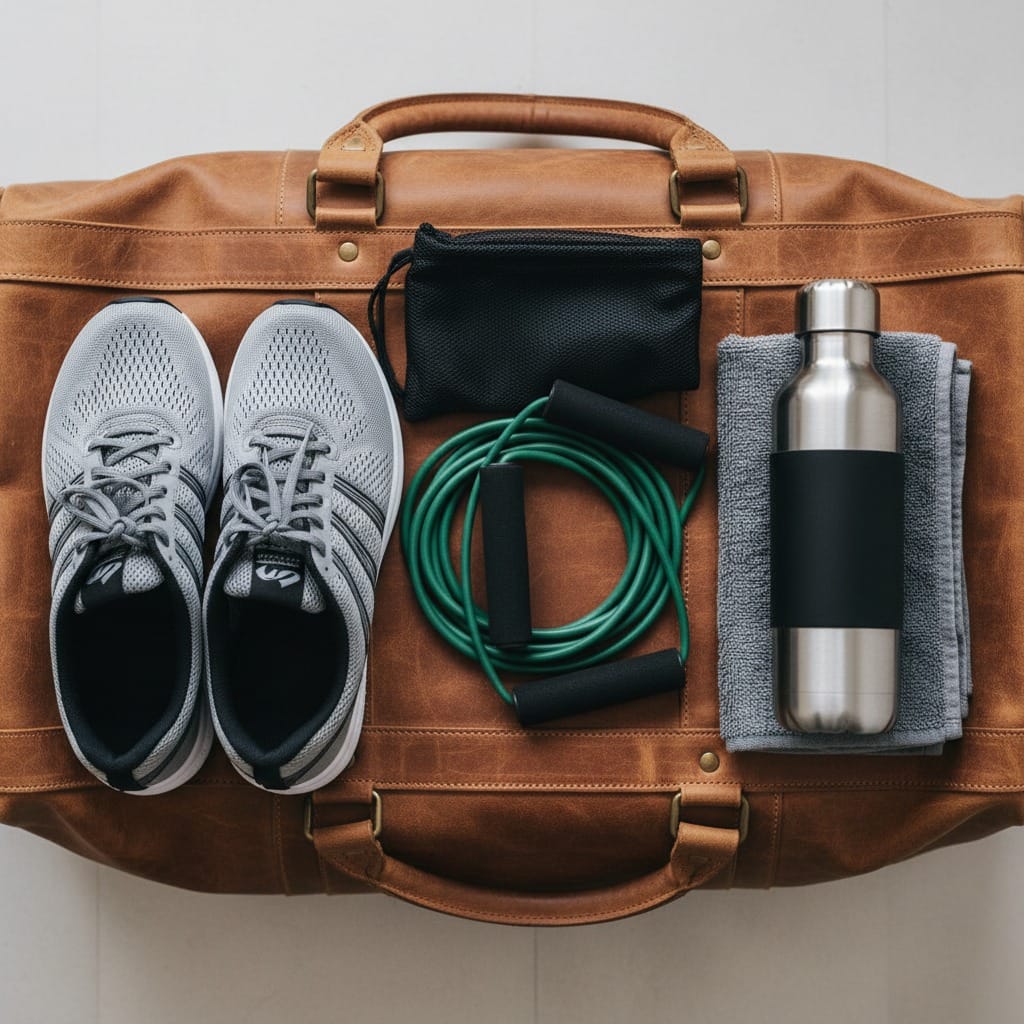
    Strength training after 60 - Dumbbells and resistance cost effective way to start training at home.

    The Real Prize: Staying Independent

    At the end of the day, strength training in our 60s isn’t about vanity or chasing personal records.

    It’s about being able to travel freely without worrying about lifting a heavy bag into an overhead locker. It’s about getting down on the floor to play with grandchildren—and standing back up effortlessly without needing a chair to haul yourself up. It’s about playing 18 holes of golf, taking on coastal walks, and living life entirely on your own terms without your body drawing the boundaries for you.

    That isn’t about fitness.

    It’s about living.

    Muscle mass is just the bonus side effect. Independence, joint freedom, lasting confidence are the real prizes.

    How to Start (Without Overcomplicating It)

    You don’t need a high-tech gym membership or hours of spare time.

    1. Grab a set of resistance bands or light dumbbells: Simple compound movements—squats to a chair, chest presses, standing rows, and shoulder presses—hit all the major muscle groups.
    2. Focus on consistency over intensity: Two to three 20-minute sessions a week make a world of difference.
    3. Keep the tension progressive: As movements start feeling easy, bump up the resistance slightly.

    Your 60s aren’t the time to wind down—they’re the time to build up.

    I’m still working on persuading Sharon to pick up those resistance bands, although I suspect she’ll remind me I’ve got a few things to work on myself! But if our conversation encourages just one person to give strength training a go, it’ll have been worth having.

    After all, this isn’t about looking younger. It’s about staying capable, confident and independent for as many years as possible. And that’s something worth getting stronger for.

    FAQs

    Is strength training safe after 60?

    Yes. Most healthy adults over 60 can safely begin a sensible resistance programme using light weights or resistance bands. If you have a medical condition or concerns, speak with your GP or healthcare professional before starting.

    How often should you do strength training after 60?

    Two or three sessions each week are enough for most people to improve strength, balance and mobility.

    Do women become bulky from lifting weights?

    No. Building large amounts of muscle requires years of dedicated training and nutrition. Most women become stronger, more toned and more confident rather than noticeably bigger.

    How are you keeping your strength up these days? Have you introduced resistance work into your routine yet, or is something holding you back? Drop a comment below—let’s swap notes!

  • Week 4 – Asking Better Questions & Building Trust

    Week 4  B2B Sales series, Asking better questions and building trust.
    Poppy having a snooze as I write this conversation

    🟦 Business After 60 Conversation

    In my early days as a Sales Manager, our German Sales Director asked me a question that I couldn’t answer:

    Why was our UK sales team struggling to break into a particular market sector when our colleagues in Germany were extremely successful?

    • Was the competition stronger in the UK?
    • Was our product less suitable?
    • Or was something else going on?

    That question stayed with me for almost a year.

    Then, during an annual appraisal, I accompanied one of our best salespeople on a customer visit.

    Halfway through the meeting, it suddenly dawned on me what we’d been doing wrong.

    We weren’t losing because we had the wrong product. We were losing because we were asking the wrong questions.

    The sector happened to be the UK water and sewage industry—which has always had its own unique structure and commercial pressures (a story for another day).

    The important lesson wasn’t the industry itself – it was that we had been asking questions based on what we wanted to sell, rather than what our customers needed for their own unique circumstances.

    That single realisation changed the way I approached B2B selling for the rest of my career.

    The Foundation of B2B Trust

    Building trust is the single most important element of establishing a long-term partnership with potential clients.

    Customers rarely buy because you gave the best presentation.

    People don’t buy products.

    They buy confidence.

    Confidence that you’ve understood their business, anticipated their problems and can deliver what you’ve promised.

    Building that trust starts long before you talk about your products—it starts with the quality of the questions you ask.

    In today’s economic climate, with rising operational costs, buyers are often tempted to go for the cheapest or most aggressive upfront price.

    However, the Ladder of Approach (which we covered in Week 3) gives us the framework to uncover a client’s real pain points, needs, and hidden concerns. We do this by asking targeted, diagnostic open questions.

    When you ask better questions, you stop being a salesperson trying to push a product and start acting as a trusted technical adviser.

    Example 1: Specifying High-End Architectural Glazing

    To see how this works in practice, consider a company I advise that supplies high-end sliding and bi-fold doors to the luxury residential construction market.

    Their primary target on the Ladder of Approach is often the Architect.

    Architects don’t care about a flashy sales pitch. They care about design integrity, regulatory compliance, client satisfaction, and avoiding expensive site delays that ruin their reputation.

    If you approach an architect trying to “sell” a door, you’ll quickly get pushed down to procurement or shown out the door.

    If you ask precise, diagnostic questions that uncover hidden site risks, you build instant technical credibility.

    Uncovering Design & Aesthetic Intent

    • The Weak Question: “What size doors are you looking for on this project?”
    • The Trust-Building Question: “When you visualised the transition between the internal living space and the terrace, what sight-lines and frame profiles were you hoping to achieve without compromising thermal performance?”
    • Why it works: It proves you care about their aesthetic vision, not just selling aluminium and glass by the square metre.

    Diagnosing Technical & Structural Realities

    • The Weak Question: “Do you have the opening measurements ready?”
    • The Trust-Building Question: “With these large span openings, what structural deflection tolerances have been engineered into the lintel, and how are you planning to handle flush threshold drainage against driving rain?”
    • Why it works: You are highlighting nightmare site scenarios before they happen. For anyone who isn’t a structural engineer, an uncalculated overhead load can press down onto the top frame, pinching the tracks and causing heavy glass panels to jam, squeak, or fail entirely.

    Ropho Business Insight: In my work with this manufacturer of these exact doors, they were experiencing severe sales bottlenecks.

    The issue wasn’t the product quality—the doors were built to the highest specification.

    The failure came down to two things:

    Their sales team wasn’t qualified to ask the technical questions architects needed to hear, and their third-party installers lacked the specialised skills required for large-scale installations.

    (For more on solving this, see my digital toolkit s on training sales staff with the right tools to close deals and avoiding bad third-party hires).

    Mitigating Commercial & Delivery Risk

    • The Weak Question: “When do you need these delivered?”
    • The Trust-Building Question: “Looking at your build schedule, at what point does the weather-tight milestone hit, and what margin have you built in for lead times so the interior fit-out isn’t delayed?”
    • Why it works: You are actively safeguarding their timeline and helping them manage the main contractor’s expectations.

    Example 2: Industrial Automation in Manufacturing & Food Processing

    In my career, selling programmable logic controllers (PLCs) and variable speed drives (VSDs) into factory environments—particularly food processing—taught me an entirely different layer of trust-building.

    In high-speed manufacturing, nobody cares about technical specs on a datasheet for their own sake.

    What keeps a Factory Manager or Engineering Lead awake at night is unplanned downtime, energy waste, and harsh environmental failures.

    If you walk into a food plant talking about product features, you’re just another component vendor. If you ask targeted operational questions, you become a partner who protects their production targets.

    Diagnosing Downtime & wash-down Vulnerabilities

    In food processing, equipment gets blasted with high-pressure, hot chemical washdowns every single night. Standard IP-rated gear often fails under these aggressive routines.

    • The Weak Question: “What IP rating or drive specs do you normally order?”
    • The Trust-Building Question: “During your nightly washdown routines, where are you seeing the most frequent drive or sensor failures on the line, and what is that doing to your morning startup times?”
    • Why it works: You immediately link electrical hardware directly to operational delays and maintenance headaches that the Engineering Manager deals with every day.

    The Golden Rule of B2B Diagnostics

    Whether you are talking to an architect about luxury bi-fold doors or an engineering lead about PLCs and drives, the fundamental rule remains identical:

    You are not selling the product; you are solving the disruption that happens when the wrong product is chosen.

    When you ask questions that prove you understand their daily realities, you climb the Ladder of Approach effortlessly.

    They realise you aren’t just selling—you’re safeguarding their project, their production, and their reputation.

    Frequently Asked Questions (FAQ)

    What if the customer just wants a price right away?

    Acknowledge their request immediately, but explain that to give an accurate, honest figure that won’t incur hidden site costs or variation fees later, you need to clarify two or three key details about how the product will actually be installed or operated.

    How do I avoid sounding like an interrogator during discovery?

    Frame your questions with context. Before asking a technical question, explain why you are asking: “To make sure we don’t run into issues with weather seals during installation, can I ask…” This shifts the tone from an interrogation to a collaborative problem-solving session.

    What is the single biggest mistake salespeople make when asking questions?

    Not waiting for the full answer.

    Most salespeople can remember times early in their careers when they talked too much, jumped in before the customer finished explaining their pain point, or simply failed to listen.

    Ask a great open question, sit back, and let the customer speak.

    The Final Reflection

    Trust isn’t built by showing how smart your product is. It is built by proving how thoroughly you understand their problems before you ever offer a solution.

    Alongside my Look, Read, Watch, Listen strategy checklist, preparation before, during, and after sales meetings is essential for meaningful follow-ups.

    When training sales teams, I still use a structured meeting scoring system to measure diagnostic effectiveness—a tool I use to this day.

    If you diagnose thoroughly, the sale takes care of itself.

    I’ve never believed great salespeople are brilliant closers.

    I believe they’re brilliant preparers.

    They research better.

    Ask better questions.

    Listen more carefully.

    They build more trust.

    By the time they ask for the business, the decision has almost been made.

    That’s what we’ll explore next week.

  • ☕ Weekend Conversation: Head, Heart & Holidays

    This weekends conversation - Do you use your head or heart when buying a car? Can you improve at sport as you get older and finally what would you like to do that terrifies you.

    The Things That Make Us Smile

    We’re back home after three wonderful weeks away. You know that feeling? The fridge is empty, there’s a mountain of washing, the garden suddenly looks twice the size you remembered, and Monday is already peering around the corner.

    Here is a quick weekly update on where Ropho is.

    For those of you following from the beginning, you might remember my early posts describing how I wanted to embrace new challenges. Mine was building a website—good or bad—using my long-held ambition of writing something I could share, while using the latest wonderful, slightly scary technology.

    Learning the tech side (SEO, website maintenance) was manageable thanks to my industrial automation background.

    I’ve really enjoyed experimenting with AI, especially generating images (though I’ve probably gone over the top with it, as I tend to do with new things!).

    However, the next stage terrifies me. It’s something I’ve been dreading all along: creating a reel (video content).

    For some, it seems like the easiest thing in the world—you only have to look at TikTok or Instagram.

    For me, it is completely daunting. I regularly present to large audiences and speak at industry conferences, but in those environments, I have a shield: my products, my services, and a freshly laundered suit and tie.

    So, here goes—start small, as I always say. My first attempt: no AI, no fancy lighting, just me first thing in the morning, sweaty before a shower and shave during my morning walk.

    Looking back at it makes me smile—well, laugh, actually—at how rough it is. But (and this is a big but), I will hopefully improve. The point is, I’m giving it a go.

    The Video Challenge: What Terrifies You?

    • What terrifies you right now, and what are you actually going to do about it?

    My first ever Ropho video! Be kind—I’m learning, and every journey starts somewhere. 😊

    🚗 Buying a New Car After 60: Head or Heart?

    “My daughter tells me we should be considering the environment. My brain tells me modern electric cars are sensible, efficient, and clean. But my ears? My ears miss the sound of an engine.”

    After spending three weeks driving up and down the East Coast we stopped at a few dealerships looking at new cars, I’ve hit a wall. Modern cars are undoubtedly impressive—tech-laden, silent, and fast, but are they actually better, or just different?

    It got me thinking about my 1990 Porsche 911 (the 964, for those who know).

    Back then, driving it wasn’t about shouting success or showing off a status symbol; it was about pure, unfiltered power and that unmistakable air-cooled flat-six rumble, flying through the new forest like a lunatic.

    It had power steering and ABS, so it was usable, but it was still totally analog. You felt every inch of the road, but i suppose that was the point.

    Looking back, I realised I’m not really searching for a new car.

    I am starting to understand why one particular car from another stage of my life has stayed with me for so long.

    Perhaps after 60 we don’t simply buy with our heads or our hearts—we buy with our memories as well.

    ⛳ Can You Actually Get Better at Sport in Your 60s?

    “I had one round of golf during our three weeks away, and I was smearing the ball straight down the middle in a way I couldn’t even dream of in my twenties or thirties.”

    I like to kid myself that I’m in fantastic shape, and maybe the sensible strength training helps, but let’s be honest: why do some things get easier with age?

    Is it the modern clubs with sweet spots the size of a dinner plate? Is it improved technique? Or is it something far simpler, less ego and more patience?

    When you’re younger, you want to muscle the ball 300 yards off the tee, not giving a thought to where the bunker.Be damned, just hit it as hard as you can.

    Decades later, you stop trying to prove anything to the course, relax your hands, and suddenly the ball goes exactly where you wanted it to go (sometimes).

    I still spend too much time in the rough!.

    Maybe getting older doesn’t always mean becoming weaker. Sometimes it means becoming more efficient, more patient and more aware of what really matters.

    🌞 Do Couples Spend Holiday Time the Same Way?

    “I spent three weeks along the coast focusing on writing, exploring local businesses, looking at cars, and finding great places to eat. I thought it was a brilliant break. Sharon enjoyed it too… but I know she’s secretly counting down the days until Crete in September and planning a shopping trip to prepare.” Wallet beware!

    It’s the classic holiday paradox. For one person, a great break means keeping the mind active, working on passion projects, taking long walks, and checking out regional spots.

    For the other, a true break means guaranteed warmth, a complete pause, relaxing by the pool drinking cocktails, and a bit of retail therapy before off-loading into the sun.

    Neither approach is wrong, but it’s funny how two people in the same place can have completely different ideas of what constitutes a “recharge.

    Three weeks away reminded me that life after 60 isn’t really about having all the answers. It’s about continuing to ask interesting questions.

    Like should I take my laptop to Crete. I’m sure Sharon will have something to say about that particular subject!

    This week those questions happened to be about fear, cars, golf and holidays. Next week they’ll probably be completely different.

    That’s one of the things I enjoy most about writing Ropho. Every conversation teaches me something—and hopefully starts a few conversations of your own.

    So, before we all head back into another week, I’d love to know…

    Which of this weekend’s conversations made you smile the most?

  • The Best Investment After 60 Might Be Yourself

    🟧 Midweek After 60 Conversation

    Midweek conversation - Why investing in yourself after 60 may be the smartest decision you'll ever make.
    Frinton Beach in Essex

    As Sharon and I come to the end of our three-week working trip exploring England’s East Coast, I’ve had plenty of time to think.

    We’ve discovered some wonderful places, enjoyed some memorable meals, walked miles along the coast and, in between, I’ve been quietly adding to Ropho’s growing library.

    Something has been playing on my mind.

    When I launched Ropho, I thought my most popular articles would be about good food, interesting wines and finding hidden gems for a weekend away.

    Instead, the article that continues to attract the most readers is one comparing resistance bands with dumbbells.

    That genuinely surprised me.

    But perhaps it shouldn’t have.

    Every Monday we talk about building businesses that are profitable enough to give us more freedom.

    We regularly discuss pensions, savings and making the most of the money we’ve worked hard to earn.

    The weekend conversations are about enjoying life, travelling, good food and making memories.

    Yet all of those things rely on one asset that many of us neglect.

    Ourselves.

    A Lesson I Had to Learn the Hard Way

    A few years ago, life gave me a sharp reminder that none of us are invincible.

    After my heart problems and having a pacemaker fitted, I had to make some significant changes.

    Giving up smoking wasn’t the difficult part.

    Replacing the habit was.

    For a while, my new best friends became the fridge and the sofa.

    It would have been easy to stay there.

    Instead, I slowly discovered something that has become one of the most valuable lessons of my life.

    Exercise wasn’t just helping my body.

    It was helping my mind.

    The hour I spent walking or doing resistance training wasn’t time taken away from my business.

    It made me better when I returned to it.

    The Six-Hour Investment

    Around the same time I was helping several business owners who were working sixty or seventy hours every week.

    They wanted help growing their businesses.

    What many of them actually needed was permission to look after themselves. They were burning themselves out, not eating properly, not sleeping properly and definitely not exercising.

    That experience led me to a simple rule that I still follow today.

    Protect six hours every week.

    Three hours working on your business, and then spend three hours working on yourself.

    Not because you have plenty of spare time, because you don’t

    Those six hours often improve the other hours in the week.

    Then Something Happened

    Over recent weeks I’ve noticed something else.

    The conversations I’m having with readers are changing.

    One reader, a GP, told me she found my article about management and leadership refreshing because it explained complicated ideas in a straightforward way.

    She admitted that although she became a doctor to care for people, today she also has to lead teams, manage budgets and run a practice.

    Another conversation this week was with a young entrepreneur who runs a successful food business. Despite the difference in our ages and industries, we both reached the same conclusion.

    Whether it’s sales, marketing or leadership, success comes from understanding people.

    These conversations have reminded me why I started Ropho.

    It isn’t simply about business, it isn’t just about money, it isn’t only about fitness.

    It’s about helping people over 60 make the most of the years ahead.

    Sometimes that means discussing pensions, sometimes resistance bands, sometimes business strategy, sometimes finding a great place for lunch.

    The subjects change.

    The purpose doesn’t.

    This Week’s Money Conversation

    That brings me to another subject several readers have asked about.

    Could delaying your pension actually leave you better off?

    The answer, as with most financial decisions, is that it depends.

    For some people, waiting can make excellent financial sense.

    For others, taking the income sooner allows them to enjoy the years when they’re healthiest and most active.

    Over the coming days we’ll explore the advantages, the disadvantages and, more importantly, the questions you should ask before making such an important decision.

    Over to You

    One thing I’ve realised recently is that many of my favourite articles haven’t started with my ideas at all.

    They’ve started with our conversations.

    So I’d like to ask you something.

    What’s the biggest challenge you’re facing as you look towards the years ahead?

    Is it your health?

    Your finances?

    Finding purpose after retirement?

    Running a business?

    Or simply making more time for the people who matter most?

    Drop me a comment below or send me a message.

    I read every one of them.

    There’s a good chance next week’s conversation will begin with yours.

WordPress Cookie Plugin by Real Cookie Banner