Author: stevek

  • Healthy Salmon, Summer Shorts & New Beginnings

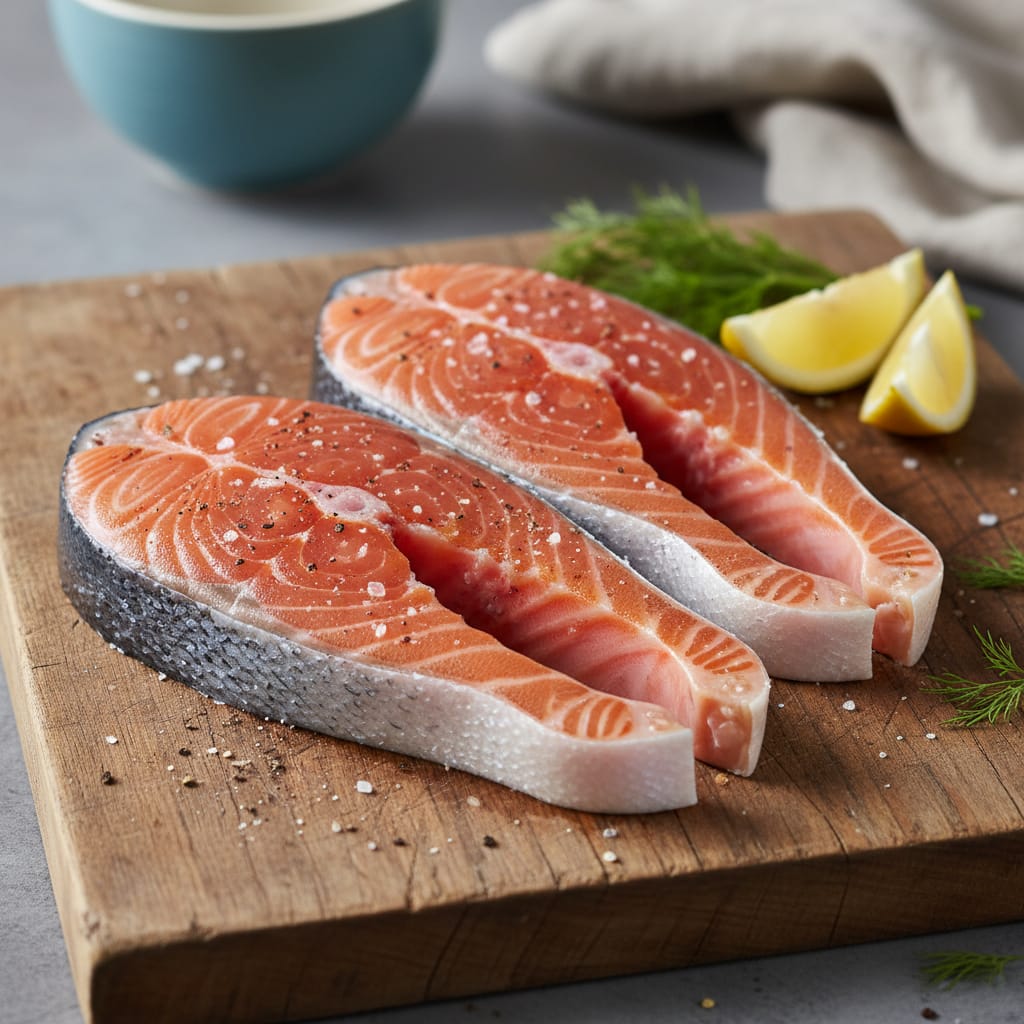
    "One-pan Mediterranean salmon recipe for heart health over 60."

    Welcome back to the Wednesday check-in! It’s been a busy week of hitting my 5k+ steps count and keeping up with my three strength sessions.

    Being over 60 isn’t about slowing down, it’s about fine-tuning the engine.

    This week, I’m launching a new series and tackling some of the bigger questions life throws at us.


    Healthy Recipes for Over 60s: The Summer Show Reel

    I’ll be the first to admit, I’m not exactly Gordon Ramsey, but I’m a firm believer that healthy food shouldn’t be a chore.

    This week, I’m kicking off a Summer Recipe Series with two options that you the reader vote for, this One-Pan Mediterranean Salmon or The Zesty Sheet-Pan Chicken & Sweet Potato Smash

    Once the results are in on Friday morning, I will cook the one with most votes and show you the results on my weekend post.

    🍴 Mid-Week Meal of the Week: The “One-Pan Mediterranean Roast”

    This dish is fantastic for someone over 60. The salmon provides healthy fats for the heart, and the dark leafy greens and beans provide the calcium and magnesium your bones crave.

    Why it works:

    • Heart Health: High in Omega-3 fatty acids and low in saturated fats.
    • Bone Health: Spinach and Cannellini beans are surprising sources of calcium.
    • Chef Level: “Set it and forget it.” Very little chopping, no complex sauces.

    The Ingredients List

    IngredientBenefit
    2 Salmon FilletsOmega-3s for heart rhythm and inflammation.
    1 Bunch AsparagusGreat source of Vitamin K for bone density.
    1 Can Cannellini Beans(Rinsed) Fibre and plant-based calcium.
    2 Handfuls Cherry TomatoesRich in Lycopene (heart protective).
    1 Lemon & GarlicFlavour without using excess salt.
    Olive OilThe gold standard for cardiovascular health.

    Simple Instructions

    1. Prep the Tray: Preheat your oven to 200°C (about 400°F). Line a large baking tray with parchment paper (this makes cleanup easy—we like easy).
    2. The Veggie Base: Toss the asparagus, rinsed beans, and cherry tomatoes onto the tray. Drizzle with 1 tablespoon of olive oil, a squeeze of half a lemon, and a pinch of black pepper and dried oregano.
    3. The Main Event: Nestle the salmon fillets among the vegetables. Top each fillet with a thin slice of lemon and a little minced garlic (the jarred stuff is fine!).
    4. The Roast: Pop it in the oven for 12–15 minutes. You’ll know it’s done when the salmon flakes easily with a fork and the tomatoes have started to burst.
    5. The Finish: Serve it exactly as is. If you want more “bulk,” serve it over a bed of fresh baby spinach—the heat from the food will wilt the spinach perfectly.
    • The Benefit: Massive Omega-3s for the heart and Vitamin K for the bones.
    • The Compromise: I love asparagus, but Sharon isn’t a fan. The beauty of the tray-bake? My side had the spears, her side had Tenderstem broccoli. One tray, two happy diners.

    “The Zesty Sheet-Pan Chicken & Sweet Potato Smash”

    This is the ultimate “low-skill, high-reward” dish. It uses a single tray, meaning less washing up and more time for your 5k steps.

    The Nutritional “Why”:

    • Lean Muscle: Chicken breast or thighs provide the protein needed to repair muscles after your 45-minute strength sessions.
    • Bone & Heart Support: Sweet potatoes are packed with potassium, which helps manage blood pressure and protects bone mineral density.
    • The “Secret” Ingredient: Adding walnuts or pumpkin seeds at the end adds a crunch that’s loaded with heart-healthy minerals.

    Preview of the Checklist:

    1. The Base: Cubed sweet potatoes and red onion.
    2. The Protein: Chicken strips seasoned with paprika and rosemary (no-salt flavour bombs).
    3. The Green: Broccoli florets (added halfway through so they stay crunchy).
    4. The “Chef” Touch: A drizzle of balsamic glaze right before serving.

    How to Vote: Type “TEAM SALMON” or “TEAM CHICKEN” in the comments below! I’ll announce the winner Friday morning and get the apron on for the weekend post.

    The Challenge: I’m looking for your “edible healthy meals!” If you have a go-to recipe that’s quick and nutritious, send it over. I might just feature it in next week’s meal of the week.


    Summer Style for Men Over 60: The Best Shorts & Etiquette

    The sun has finally made an appearance in the UK, which means I get my legs out, the shorts are back.

    There’s a lot of talk about “age-appropriate” clothing” but in 2026, I say if you want to wear shorts then you should at any age.

    My 60+ Shorts Etiquette:

    For men over 60 the focus should be balance, if you are trying to attain a daily casual look, not too casual or sloppy, you need to pay attention to the following.

    • Length (The “Just Above the Knee” Rule): The most flattering length is consistently noted as just above or right on the knee (roughly 7- to 9-inch inseam). Shorts that fall below the knee can make you look shorter, while very short shorts (mid-thigh or higher) are generally discouraged unless you are highly athletic.

    • Fit: Choose a tailored or slim-straight fit that skims the body rather than baggy. Avoid pleated shorts, which can add bulk to the waistline.

    • Fabric: Opt for sturdy, breathable fabrics like cotton twill, linen, or blends that hold their shape, ensuring a crisp, clean look.

    • Pocket Etiquette: Avoid cargo shorts with bulky side pockets, as they can look unrefined or childish. Plain-front, flat-front shorts are preferred for a more sophisticated look.

    • Colours: Stick to neutral, classic colours for maximum versatility: navy blue, khaki, olive, stone, or stone grey.

    • No Socks (or No-Show Socks):Wear no-show socks with loafers, boat shoes, or sneakers to maintain a clean ankle line. Avoid long socks, which can look outdated.

    • Footwear: Pair shorts with clean sneakers, loafers, boat shoes, or smart leather sandals.

    • When to Avoid Shorts: Shorts are typically inappropriate for formal occasions, business meetings, or restaurants in the evening. They are best reserved for daytime, holidays, lounging, or social, casual events.

    • Styling: Pair shorts with tailored polo shirts, casual button-downs, or lightweight sweaters. Tucking in your shirt, or doing a “French tuck” (front only), can create a more intentional, polished look. 


    Starting Over: The Search for Companionship

    While getting the right fit for your shorts and healthy eating is good for your confidence on the outside.

    This week we’ve been talking about a much deeper kind of courage.

    My wife’s sister, widowed at 58 and now 61, has been broaching the subject of finding a companion.

    It’s a tough one. Is it too soon? What will the kids say? How do you even “date” in your sixties?

    My Take:

    My brother- in-law, was an amazing character, a mix of intelligence and outgoing fun.

    Loved the usual, a sumptuous meal and outrageous chat over a glass of wine or his favourite tipple cider, whether it be from somerset or further afield.

    He had an eccentric streak he loved tweed ( the country look) although he lived in London, and loved his lambretta.

    So all in all he has left a huge hole in my sister in-laws life.

    Finding someone to share a walk or a meal with isn’t about replacing the past.

    It’s about embracing the 20 or 30 years of life you have ahead of you.

    Our Advice:

    Since he passed, we have spent a lot of time with my wife’s sister including a holiday last year to Turkey to celebrate her sixtieth birthday with her twin.

    As a consequence she has turned to us for advice on this difficult subject.

    After research and talking to friends who are going through similar feelings, this is what we have suggested as a guide for her.

    “Is it too soon?”

    The honest answer: There is no calendar for grief.

    In 2026, we understand that seeking companionship, isn’t about “replacing” a lost love, it’s about honouring the fact that you still have a lot of life left to live.

    • Two years is a significant amount of time to sit with silence. If she’s feeling the spark of “wanting to share,” that is her heart telling her she’s ready to expand her circle.

    2. “What will the children say?”

    This is the hardest part for my sister in-law, she has four children and grandchildren and has a full life with them.

    • The “Reassurance” Strategy: Suggest she speaks to them with vulnerability. “I will always love your father, and no one replaces him. But I have 20 or 30 years of life ahead, and I’d like to find someone to go to the cinema or the garden centre with.”
    • Adult Perspective: In 2026, most adult children actually feel a sense of relief , knowing their parent is happy and active. It takes the pressure off them to be her “everything.”

    3. “How do you go about it?” (The 2026 Way)

    Since she isn’t looking for a “whirlwind romance” but a companion, she has safer, more relaxed options:

    • Interest-Based Groups: Apps like Meetup or local walking clubs (great for your 5k steps!) are perfect. You meet people through a shared hobby first—no pressure.
    • “Companion” Apps: Sites like OurTime or SilverSingles are specifically for the over-50/60 crowd. They have strong verification now to keep things safe and “scam-free.”
    • The “Friend of a Friend”: This is still the gold standard. She should let her friends know she’s open to a “plus one” for dinner parties or local events.

    What do you think, is this good advice, or should we approach this in a different way.

    Please comment below.

  • Stop Selling “Stuff”: Find the Value in Your Business After 60

    Find the Value in Your Business After 60

    We are now into week 4 of an overview of planning and running your business after 60.

    In my years working within the manufacturing and service industries, I have learned a hard truth.

    A product or service is only as good as the problem it solves.

    Now that we are building our own enterprises after 60, that rule is more important than ever.

    If you aren’t solving a “headache” for your customer, you’re just another line in a brochure.

    This week, we are looking at how to move from selling “things” to building a business based on Value and Problem-Solving.

    1. Building Value: What Problem Are You Solving?

    Too many people start a business because they “like making things.”

    But for a business to be professional and sustainable, it must fulfill a marketplace need.

    • Identify the Gap: Determine if there is a gap in the market or an unfulfilled need you can address.
    • The Solution: Clearly define how your product or service solves a specific problem for your target market.
    • Continuous Improvement: Sometimes, value isn’t a brand-new invention; it’s an improvement on existing products or services.

    2. Your “Standout Factor” (The USP)

    Your Unique Selling Proposition (USP) is what keeps you from being “just another option”.

    • Know Your Rivals: Identify your direct and indirect competitors to understand how you compare.
    • Analyse Strengths: Evaluate the strengths and weaknesses of your competition to find your own edge.
    • The Personal Advantage: As large organisations lean toward AI, you can build value by promoting human interaction and a personal service.
    • Convey the Message: Decide exactly how you will communicate your unique value through your marketing.

    3. The Logic of Pricing

    Pricing isn’t a guess; it’s a strategic decision based on your research and costs.

    • Strategic Appeal: Explain and more importantly understand why your price will appeal to your specific target market.
    • Know Your Numbers: Your price is determined by manufacturing and processing costs, packaging, and delivery.
    • Stay Grounded: If you are a start-up, use industry averages and research to ensure your pricing is realistic.

    Things you must remember in Your Business after 60

    Sometimes with all the experience and stories we have.

    One piece of advice given to you, often stands out.

    This is mine, I use this all the time because it works.

    One of the most important lessons I ever learnt came from a very successful American businessman many years ago.

    His advice was simple, direct, and it has stayed with me ever since.

    Build value in your products and services, certainly, but more importantly, build value in yourself, and then in the people closest to your business. 

    At first, it sounded like another business cliché, but as time passed, I realised what he really meant. 

    Yes, products matter. Yes, service matters. 

    But the business can only ever grow to the level of the people running it.

    Build value into you first 

    Recognise your strengths, develope them, and most importantly use them. 

    In your sixties (or at any age after 50), you already have decades of experience behind you, that is value

    . Decision making ability, judgement, intuition, work ethic, problem-solving, these are competitive advantages younger entrepreneurs often pay to learn. 

    But that experience is wasted if you don’t intentionally build on it. 

    Spend time improving the skills that matter most to your role:

    • Leadership 
    • Communication 
    • Decision-making 
    • Negotiation 
    • Strategy 
    • Money management 

    When you grow, your business grows. 

    Then build value into your people 

    This is where the magic happens. 

    The American businessman explained it perfectly.

    Recognise your best skills – and then hire, empower or train others to fill the gaps. 

    You cannot, and should not, try to do everything.

    A business becomes strong when the right people are in the right seats. 

    When people feel valued, trusted and supported, they don’t just work for  the business, they work with it. 

    • A skilled production manager increases efficiency 
    • A strong financial controller protects profit 
    • A confident sales lead drives revenue 
    • A good administrator frees your time 
    • A third-party expert can save months of mistakes 

    A business is a team sport, even if the team is small. 

    My most satisfying business result wasn’t what most would expect… 

    People assume the biggest reward in consultancy is turning around a failing business. 

    Others think it’s helping launch a successful start-up. 

    Both are satisfying. 

    But the most satisfying work I ever did was something different. 

    Helping a reasonably successful company grow from under £1M turnover to £3M+ profitably, sustainably and without losing its soul. 

    Not because of a magic trick. 

    Not because of a new product. 

    Not because of a lucky contract. 

    But because we developed people, clarified roles, strengthened leadership.

    Introduced accountability and gave the right individuals space to excel. 

    The growth came after the development. 
    Not before. 

    A thought for you, especially if you’re building later in life

    You don’t need to reinvent yourself to be successful. 

    You need to amplify what you already know, and surround yourself with the right support. 

    Skills improve. Systems evolve. People grow. 

    But only if leadership chooses to grow first.

    Quick reflection questions: 

    1. What skill could you strengthen this month that would improve your business most? 
    2. Who in your network could you empower, train or delegate to? 
    3. Where is the business overly dependent on you? 
    4. Who could take something off your plate, so you can lead instead of chase tasks? 

    Write your answers. They matter. 

    And one reminder, from me to you: 

    Don’t just build the business. 
    Build the people who build the business. 

    That’s where real growth lives. 

    Let’s Have a Conversation:

    I’m a firm believer that “what problem are you solving?” is the most important question in business.

    I’d love to hear from you—have you identified your “standout factor” yet?

    What is the one thing that makes your business the obvious choice for your customers?

    Drop a comment below and let’s talk about building value!

  • How to take your Walking to the next level after 60

    A stroll after lunch or a hike up a steep mountainside—it doesn’t matter. Once we pass 60, the most important thing is simply moving.

    I’ve said it many times: walking is the most underrated exercise of all.

    Whether you are recovering from an injury, recuperating from an illness, or healing after an operation, the first piece of advice is almost always: “Get moving.”

    Even if it’s just a slow lap around the lounge or the garden, those steps matter.

    The Ultimate Multi-Tasker

    One of the best things about walking is its accessibility. It costs nothing and you can do it almost anywhere. But the benefits go far deeper than just convenience:

    • Physical Health: It boosts cardiovascular health, improves circulation, and increases your lung capacity.
    • Joint Mobility: It keeps the “rust” off our joints, keeping us fluid and flexible.
    • Mental Wellbeing: This is the biggest win for me.

    Currently, I’ve been feeling unusually stressed.

    This website has been having technical issues that made posting a nightmare for two weeks straight—my cortisol levels must be through the roof!

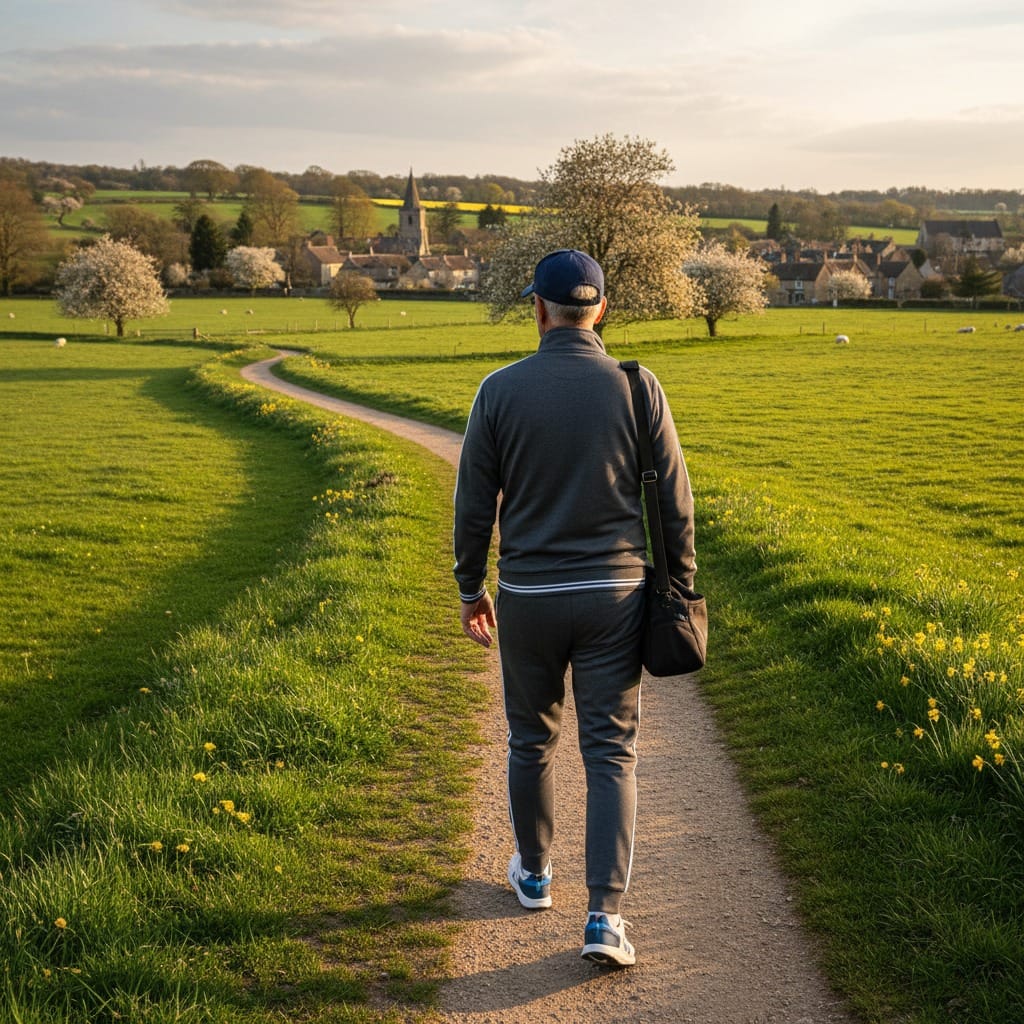
    However, today I took myself for a countryside walk. The sun was out, spring was blooming, and suddenly, my mood lifted.

    I felt an immediate wave of optimism. Time flew, and I’m already well on my way to my daily step count!

    Safety First

    As always, safety is paramount. Before you level up, ensure you have:

    • Supportive Footwear: Choose shoes designed for your specific terrain.
    • High Visibility: If you’re walking at dusk or night, wear reflective clothing or carry a light.

    Shifting into a “Walking Workout”

    Walking has become such a staple in my life that it now falls into two categories:

    1. Functional Movement: These are the small habits, like choosing the stairs over a lift or walking short errands. These “tiny wins” often provide the most noticeable long-term benefits.
    2. The Scheduled Workout: This is my dedicated 30 to 60-minute session. I always start with a quick 5-minute full-body warm-up to ensure my ankles and knees are ready for the road ahead.

    But here is the catch: As humans, we are creatures of habit. It is all too easy to fall into the pattern of taking the exact same route at the exact same pace every single day.

    Why Variety is Your Best Friend

    To truly challenge your muscles, joints, and heart, you need to break the routine. If you walk the same intensity every session, your body adapts, and those benefits—like building bone density and burning calories—can start to plateau.

    Here is how to spice up your stride:

    • Change the Scenery: Try a new path! Checking out new sights and sounds keeps your mind engaged while new terrain challenges your balance.
    • Find an Incline: Seek out hills or stairs. This is one of the most effective ways to build lower-body strength and increase your heart rate without needing to run.
    • Play with Pace: Add “up-tempo” songs to your playlist to naturally encourage a faster gait.
    • The Interval Method: After your 5-minute warm-up, add 10–30 seconds of “power walking” or even simple bodyweight exercises (like standing calf raises or squats), then return to your regular pace for 5 minutes. Repeat this throughout your walk.
    • Load the Movement: If you’re ready for a real challenge, try a weighted vest. Unlike hand or ankle weights, which can strain your joints, a vest keeps the weight near your centre of gravity. It’s a fantastic way to build bone density and strength as you progress.

    Staying Motivated

    Consistency is the secret . Many people tell me they “walk regularly,” but when we dig deeper, it’s only “when the weather is nice.”

    • The “Podcast” Rule: Only allow yourself to listen to your favorite show while walking. It becomes a reward!
    • The Buddy System: I stole this term from an american friend of mine.A friend or family member acts as an accountability partner. You’ll find the miles disappear much faster when you’re chatting.
    • Gear Up: Don’t let the rain stop you. Investing in high-quality, weatherproof clothing means you can enjoy the unique beauty of every season, regardless of the temperature.

    “I’d love to hear from you! Do you have a favourite local route that keeps you motivated, or a trick you use to get your steps in when the weather isn’t playing ball? Drop a comment below and let’s inspire each other.”

  • How to Build a Scalable Business After 60: The Operations Blueprint

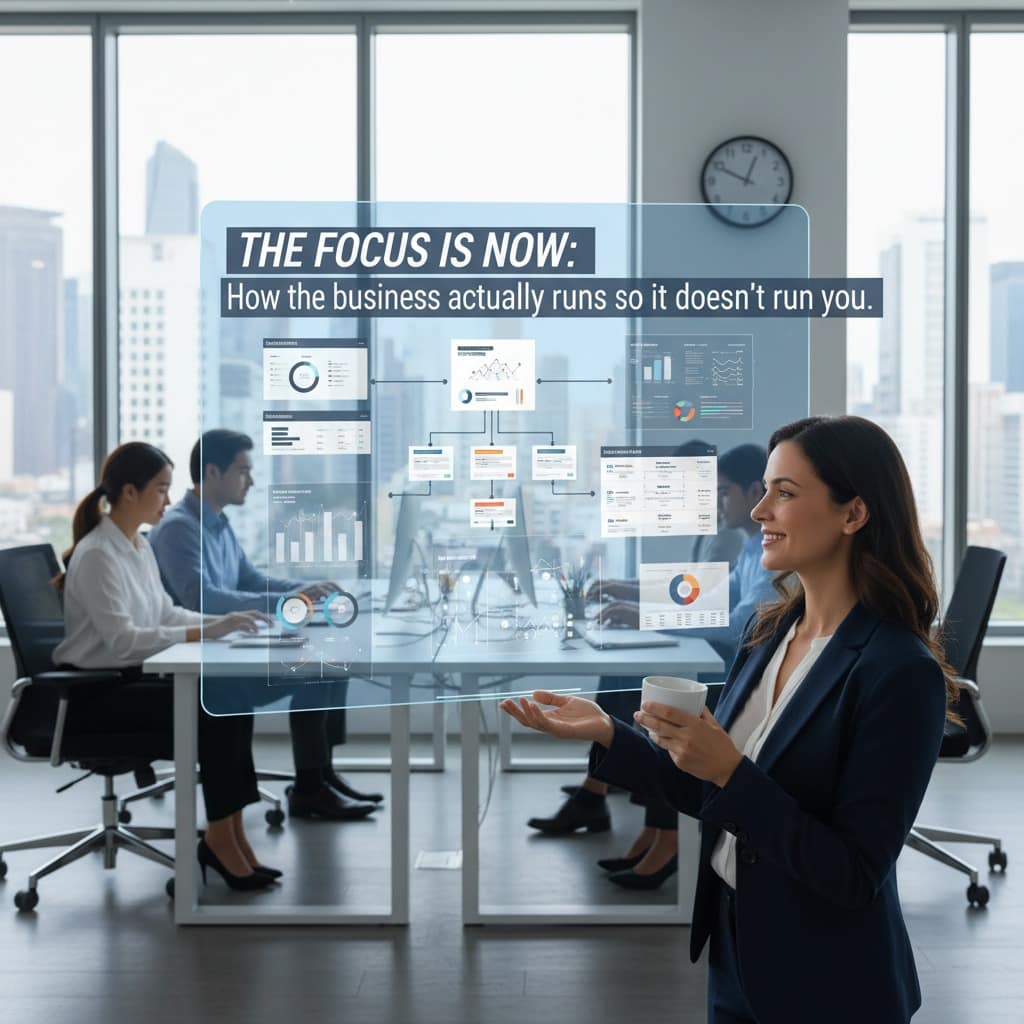
    The Focus is Now: How the business actually runs so it doesn't run you.

    As our series overview of Planning and Running a business after 60, enters the Third week.

    The Focus is Now: How the business actually runs so it doesn’t run you.

    Because if you don’t have effective management of goals and action plans, every other aspect of your business will struggle to operate at it’s full potential.

    • Structure: Decide if you are a sole trader, partnership, or limited company.
    • Management: Define who is responsible for what, even if it’s just you and a virtual assistant for now.
    • Organisational Chart: Create a visual roadmap of your team structure to plan for future growth.

    One huge fundamental truth that many entrepreneurs overlook, is that you can have the most brilliant marketing strategy in the world, but if the “pipes” are leaking, the whole house eventually floods.

    Think of Operations and Management as the central nervous system of your business.

    It’s what translates your high-level goals into daily reality.

    Even for a solopreneur or a tiny team, “The Engine Room” is what ensures, that when a customer clicks “buy,” the product actually exists, the quality is consistent, and the profit margin stays intact.


    🛠️ The Core Components of the Engine Room

    Effective operations isn’t just about “being the boss”; it’s about building a machine that can eventually run without you constantly pulling every lever.

    1. Management vs. Leadership

    While often used interchangeably, they serve different functions in your engine room:

    • Leadership: Setting the destination, inspiring the “crew,” and navigating through storms.
    • Management: Checking the fuel gauges, maintaining the pistons, and ensuring the schedule is met. (Systems/Efficiency).

    2. Standard Operating Procedures (SOPs)

    In a small business, SOPs are your greatest asset. They prevent “tribal knowledge” (where only one person knows how to do something).

    • The Benefit: If you get sick or want to scale, someone else can step in because the “manual” for the engine room is already written.

    3. Resource Allocation

    This is the “Management” part of your goal setting. You have finite amounts of:

    • Time: Who is doing what?
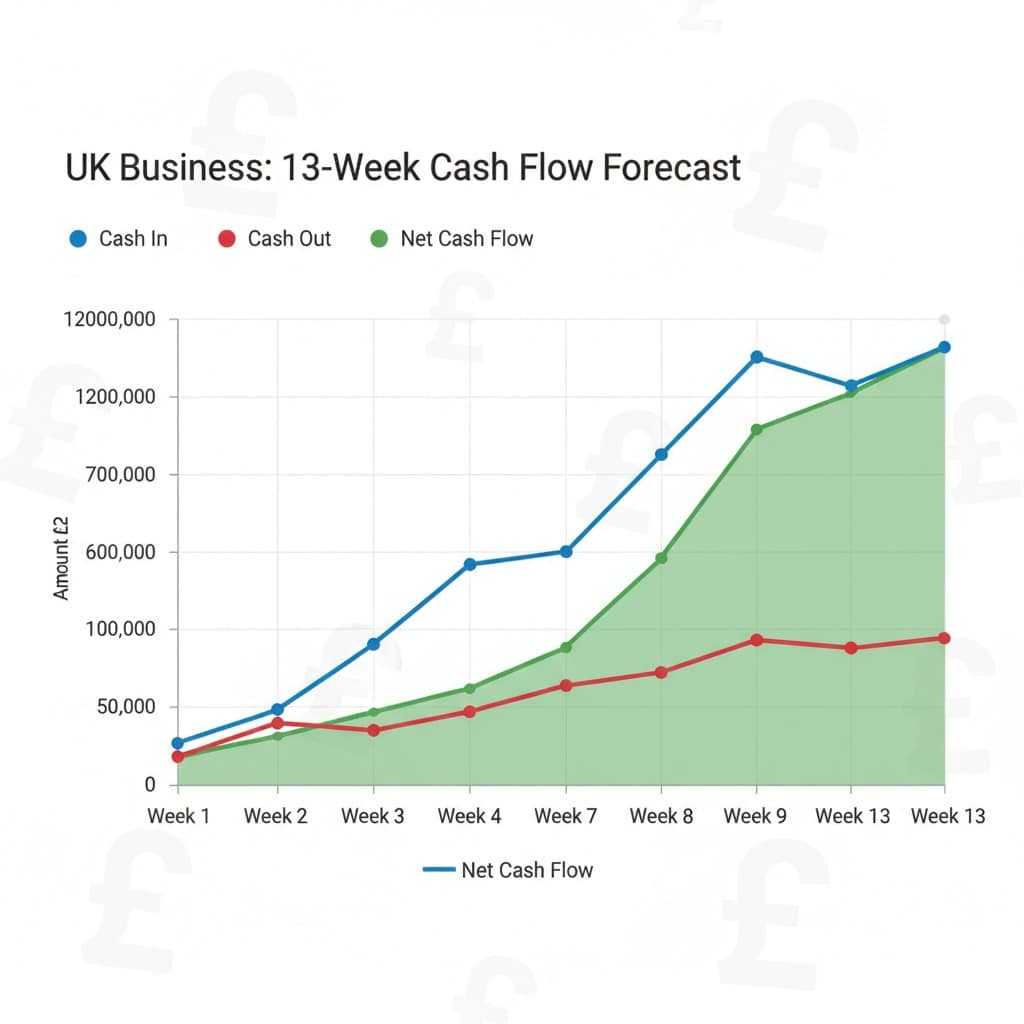
    • Money: Where is the cash flow being directed?
    • Energy: Are you focusing on high-impact tasks or just “busy work”?

    ⚙️ The Engine Room: Why SOPs are Your Business’s Hidden Superpower

    Every successful business has a “secret ingredient, ” but it’s rarely what people think”.

    It’s not just the funding, the tech, or a “rockstar” team. The real hidden advantage?

    Standard Operating Procedures (SOPs).

    In the “Engine Room” of your business, SOPs are the blueprints that keep the pistons firing.

    Without them, you aren’t running a business, you’re just managing a series of expensive accidents.

    Whether you’re a solo founder or leading a growing team, here is why SOPs are your most powerful operational tool.


    🛡️ 1. Your Shield Against Risk

    Business is unforgiving. One major compliance slip or safety blunder can tank years of hard work.

    SOPs aren’t just “rules”; they are your documented defence. They turn “I hope we’re doing this right” into “We have a proven system that protects our reputation and our bank account.”

    🧠 2. Stop the “Brain Drain”

    The most dangerous place for company knowledge, is to live is inside an employee’s head.

    If they leave, your expertise walks out the door with them.

    SOPs transform “tribal knowledge” into a permanent company asset.

    You’re building a library of excellence that stays with the business forever.

    🎯 3. Predictable Outcomes = Happy Clients

    Consistency is the bedrock of trust.

    If your service quality depends on who picked up the phone that day, you don’t have a brand, you have a lottery.

    SOPs ensure that the 1,000th customer gets the exact same “wow” experience as the first one.

    ✂️ 4. Cut the Fat (and Decision Fatigue)

    Ever feel exhausted by 2:00 PM just from answering “how do I do this?” questions?

    That’s decision fatigue. SOPs eliminate the micro-decisions that drain your team’s cognitive energy.

    When the process is clear, people stop guessing and start producing.

    🚀 5. Onboarding on Autopilot

    Traditional training is a time-sink for your best people.

    SOPs turn onboarding into a systematic roadmap. New hires can gain confidence and hit their stride faster because they have a manual to follow, reducing the “ramp-up” cost significantly.

    📈 6. Scale Without the Chaos

    Scaling a business without SOPs is like trying to build a skyscraper on a foundation of sand.

    It might look good for a few floors, but eventually, it will collapse under its own weight.

    To grow, you need a repeatable “franchise-ready” model, even if you never plan to franchise.

    ✨ 7. Quality as a Constant

    Occasional excellence is easy, consistent excellence is hard. SOPs are the “quality control” of your engine room.

    They ensure that even during a rush or a crisis, your standards never drop.

    🚫 8. Kill the “Costly Mistake”

    Human error is inevitable, but many mistakes are preventable.

    By providing clear guidelines, SOPs remove the guesswork that leads to expensive re-work, safety incidents, or lost clients.

    It’s much cheaper to write an SOP than to fix a disaster.

    ⚖️ 9. Radical Accountability

    Management becomes much easier when it’s objective.

    With SOPs, performance reviews aren’t based on “vibes” or opinions, they are based on whether the established process was followed.

    This creates a fair, transparent culture where everyone knows exactly what “winning” looks like.

    💰 10. The Ultimate ROI

    SOPs aren’t an expense; they are an investment that pays compound interest. You see the return in.

    • Lower training costs.
    • Fewer errors.
    • Higher efficiency.
    • Increased business value (investors love documented systems).

    The Ropho Reality Check: > If your business can’t run for a week without you or a specific “key” employee, you don’t own a business—you own a high-stress job.

    The path to freedom and growth starts in the Engine Room with a single documented process.

    What is the one “repeatable headache” in your business right now that needs an SOP?

    📊 The Operational Flow

    Without this structure, your sales and marketing efforts actually become a liability because you won’t be able to fulfill the promises you’re making to the market.

    ElementRole in the Engine Room
    WorkflowThe step-by-step path from a lead to a satisfied customer.
    Tech StackThe tools (CRM, Project Management, Accounting) that automate the boring stuff.
    Quality ControlThe “checks and balances” that ensure the 100th customer gets the same quality as the 1st.
    Feedback LoopsHow information from Sales/Marketing gets back to Operations to improve the product.

    How are you currently balancing your time between “working in the business” (doing the daily tasks) and “working on the business” (building these management structures)?

  • Disaster and some of my Favourite UK Weekend Breaks

    Running maintenance of website.
    Frantically trying to rectify site speed.

    Following the Easter weekend where my priority was to get some order to my gardens.

    Lawns mowed, patio and barbecue clean and ready to go.

    This weekend was supposed to be a visit to one of my favourite destinations Bath.

    However disaster struck this week, I had a full week of client visits booked for my business advisory service.

    3 Post’s already to go for Ropho – Tuesday morning site, crashed.

    Managed to post in the evening however, page speed has nose dived this week.

    As previously explained, I am learning as I go, this is my not giving up, part of starting something new and learning a new skill,.

    I could easily ask one of my friends, several are web designers, but for me this is part of the process.

    Once I have reached my goals for reader numbers etc, I will employ someone to maintain the site.

    However until then I appreciate my current readers patience and hope this helps to inspire some of you not to give up or accept defeat and take the easy route.

    Today I will hopefully get the site back up to speed.

    So next week will be a visit to Bath and surrounding areas, tomorrow I will plan another couple of long weekends for the rest of April and May.

    What examples do you have of not giving up in your 60’s or 70’s.

    Please let me know, hearing your stories motivates me to keep going, even when it gets tough.

    A Couple of my Favourite UK Weekend Break Destinations

    So as we plan for our weekend breaks in May, I have listed a few of my favourites

    York, North Yorkshire

    York is truly one of my favourite cities, maybe because it has such a rich history in one of my forbidden pleasures. Chocolate!

    And what a history it is, while other Northern UK cities built their wealth on coal, steel, or wool,.

    York built its fame on chocolate. For nearly 300 years, the city has been the UK’s confectionery capital, home to global icons like the KitKat and the Terrys Chocolate Orange. 

    York Minster – One of the world’s largest and most magnificent Gothic cathedrals, featuring incredible stained glass and stone architecture.

    The City Walls – As the longest medieval town walls in England, you can walk a 3.4km circuit for scenic views.

    The Shambles: A beautifully preserved medieval street with overhanging timber-framed buildings, frequently cited as one of the prettiest streets in Britain.

    Viking & Roman Heritage – Explore the city’s roots at the immersive JORVIK Viking Centre and discover remnants of a Roman fortress

    The River Ouse runs through the city, offering relaxing boat trips and picturesque riverside walks.

    Proximity to Nature – What makes York such a great place for a long weekend is its location near both the Yorkshire Dales and the North York Moors national parks.

    Independent Shopping & Dining: A vast array of independent boutiques, tea rooms (like Bettys), and local pubs. 

    Another destination which is one of my favourite long weekend getaways is Cornwall which has many gems.

    St Ives and Mousehole are two of my favourites and are relatively close together.

    The Vibe: St Ives – Turquoise water and world-class art.

    What’s new: The Tate St Ives has some incredible 2026 exhibitions focused on coastal light.

    Mousehole, Cornwall

    The Vibe: The “prettiest village in England.”

    What’s new: It remains the ultimate retreat for 2026, with the Mousehole Rock Pool being a top spot for a chilly “wild swim.”

    The Lake District, Cumbria is an obvious choice for a long weekend with many different destinations.

    Key Areas & Lakes

    • Keswick & Derwentwater – The “Queen of the Lakes” and the northern hub for hikers. It’s the base for the Mountain Festival and the famous Catbells climb.

    • Windermere – The largest natural lake in England. Bowness-on-Windermere is the most popular tourist town, offering iconic steamer boat cruises.

    • Ullswater – Often cited as the most beautiful lake, home to the Aira Force waterfall and the heritage “Steamers.”

    • Grasmere – The heart of the “Poet’s District,” where you can visit Wordsworth’s Dove Cottage and buy world-famous Grasmere Gingerbread.

    The Vibe: Epic fells and literary inspiration.

    What’s new: In 2026, the Keswick Mountain Festival (May 15-17) is expected to be the biggest yet.

    I am always looking for ideas, for new long weekend destinations, please do not hesitate to let me know your favourites.

    Don’t miss tomorrow’s latest instalment Week 3.

    How to run a business after 60

    Business After 60: Week 2 of 8 | The Map to Your Dream

  • Business After 60: Week 2 of 8 | The Map to Your Dream

    Business After 60 - The Map to Your Dream

    Last week, we talked about the power of the dream, the spark that gets the ball rolling.

    But as I often say, a dream provides the energy of a starter motor, but it needs a steering wheel (vision) to give it direction.

    Today, we take the next step.

    The Map:

    Because even with a steering wheel, you can still drive in circles if you don’t have a clear route.

    In business, that map is your Strategic Plan.

    The “Over 60” Edge: Planning for Peace, Not Just Profit

    At this stage of life, planning isn’t about creating 50-page documents to impress a bank manager.

    It is about Risk Reduction. For many of us, our tolerance for unnecessary stress has changed.

    We want a business that offers predictable income, manageable workloads, and total control over our time.

    A well-constructed plan acts as your “Evolving Bible”. It allows you to make informed decisions, set clear goals, and manage your enterprise effectively so you can actually enjoy the fruits of your labour.

    The Lesson in Practice: The Manufacturing Turnaround

    I recently worked with a family-run manufacturing firm that was working incredibly hard but standing still. They had the dream, but they lacked a “living document” to guide them. We focused on two vital foundations from my framework:

    • Market Need (The B2B Shift): We moved from guessing to verifying. By shifting from unpredictable general public inquiries (B2C) to a structured Business-to-Business (B2B) relationships, they secured larger, repeatable orders and stronger pricing control.
    • Financial Feasibility: We moved from guesswork to simple forecasting. Knowing their “break-even” point—the exact moment revenue covers all costs—allowed the owner to breathe again. It ensured the business supported his lifestyle rather than draining it.

    Converting Dreams into Action

    Success is rarely accidental; it is planned and reviewed continuously. Your map should set out a clear vision of where you want to be in 3 months, 1 year, and even 10 years.

    I’m currently putting the finishing touches on my new eBook.

    Fundamentals of Running a Successful Manufacturing, Processing & Construction Contracting Business, where I dive much deeper into these pillars to help you build something stable and rewarding.


    When you think about the “business side” of your ideas, what is your biggest “unknown”? Is it the marketing, the finances, or just knowing where to start? Let’s chat in the comments! 👇

WordPress Cookie Plugin by Real Cookie Banner