
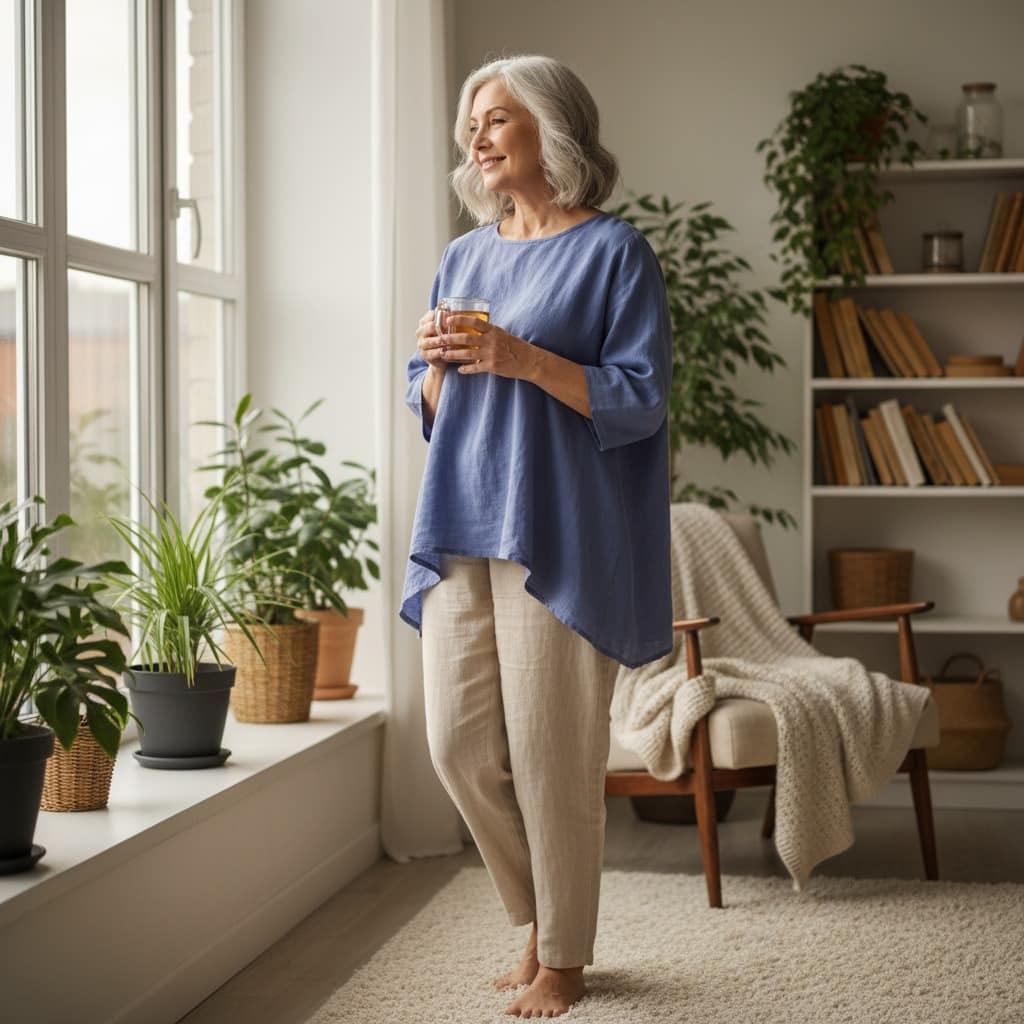
Body Image in Later Life: Does It Still Matter?
As we get older, many of us like to say, “I don’t care what people think anymore.” We tell ourselves that body image is a young person’s game.
We wear what we want, we stop chasing passing fashion trends, and we claim to be completely comfortable in our own skin.
But if we are being completely honest with ourselves… is that always true?
Does how we see our bodies still secretly affect how we experience our lives?
Or do we genuinely judge success by confidence and contentment, rather than the appearances, comparisons, and expectations we pretend no longer matter?
When Body Image Never Really Left Me
My own relationship with body image started very early.
I was born with a structural condition called Pectus Excavatum (a sunken chest), where the breastbone sits inward rather than outward.
From as far back as I can remember, taking my shirt off felt incredibly uncomfortable.
School PE, swimming pools, trips to the beach, moments that should have been carefree instead became exercises in intense self-consciousness.
As a talented young footballer (That’s what I tell everyone), I loved the game, but I absolutely dreaded the changing rooms.
I took a massive amount of stick from the other lads. In that environment, looking different made you a target.
I learned early just how powerful body awareness can be, and how long those psychological scars stay with you.
This is something we simply don’t talk about enough: body image doesn’t magically disappear with age. It evolves.
Even in our sixties and beyond, we still live in bodies that change, reflect our health, carry our past, and interact with the world.
The mirror may hold less power over us than it did in our twenties, but it never completely loses its grip.
Changing Bodies, Changing Priorities
Ageing brings changes we can’t negotiate with.
Hair thins or greys, skin softens, muscles naturally weaken, and posture shifts.
Joints tend to complain a bit more loudly on a rainy Tuesday morning than they used to.
Illness, injury, or surgery can accelerate these changes, sometimes forcing us to confront parts of ourselves we weren’t ready to look at.
Yet, ageing also offers us something incredibly valuable: perspective.
Now in my mid-sixties (although I rarely act it), I care far less about how my body looks to a stranger, and far more about what it allows me to do.
- Can I still move comfortably?
- Can I travel the world with my wife?
- Can I work, laugh, think clearly, and actively enjoy my life?
When you shift your perspective, wrinkles and old scars stop looking like flaws. They start feeling like hard-earned evidence of survival.
The Social Mirror We Still Live With
Our self-image doesn’t exist in a vacuum.
We live in a culture that worships youth and quietly sidelines ageing bodies. Anti-ageing marketing pushes the narrative that getting older is a disease to be cured, rather than a privilege to be experienced.
But that narrative is slowly shifting. More older voices are pushing back, showing real faces, and saying: this is what a life well-lived actually looks like.
In later life, health and body image are tightly connected.
Chronic conditions, mobility issues, or weight changes can reshape how we see ourselves.
Sometimes, true body positivity simply means redefining what “healthy” looks like. It isn’t about aesthetic perfection anymore; it’s about capability, independence, and presence.
Nurturing a Healthier Body Image After 60
A positive relationship with your body doesn’t mean you have to love every single line or sag. It means respecting the physical vessel that carried you this far.
Here are a few gentle reminders I use to keep my own perspective in check:
- Focus on function, not flaws: Value what your body does, your movement, your energy, your independence.
- Practice self-compassion: Notice your frustrations about ageing without judging yourself for having them.
- Stay active in your own way: Targeted resistance training doesn’t just build muscle; it rebuilds structural posture and floods your brain with confidence.
- Challenge the stereotypes: Ageing is not a default slide into decline. It is an opportunity to re-engineer how you live.
- Express yourself: Wear what feels right, do what brings you joy, and ignore the imaginary rulebook.
Embracing the Body That Got You Here
Body image doesn’t expire when you turn 60. It grows, it shifts, and occasionally, it challenges us all over again. But later life offers us a gift that our youth rarely did: the maturity to choose acceptance over criticism.
If sharing my own journey with a caved chest and changing-room anxiety helps even one person feel a little less alone in their skin today, then opening up was worth it.
Rebuilding Your Physical Frame
If you struggle with your posture, rounded shoulders, or structural chest issues like Pectus Excavatum, you don’t have to just accept the slouch. I have put together a permanent, practical training guide outlining the exact alternative movements I use to straighten my spine and open my chest. Read the companion guide here: [Overcoming the Cage: How I Rebuilt My Posture and Confidence After Pectus Excavatum — Link to the new article].
Navigating Breast Cancer as a Family: How to Be There for Your Wife
Leave a Reply