What does being really fit and healthy mean in your sixties.
Simple,realistic health and fitness guidance for life after 60.
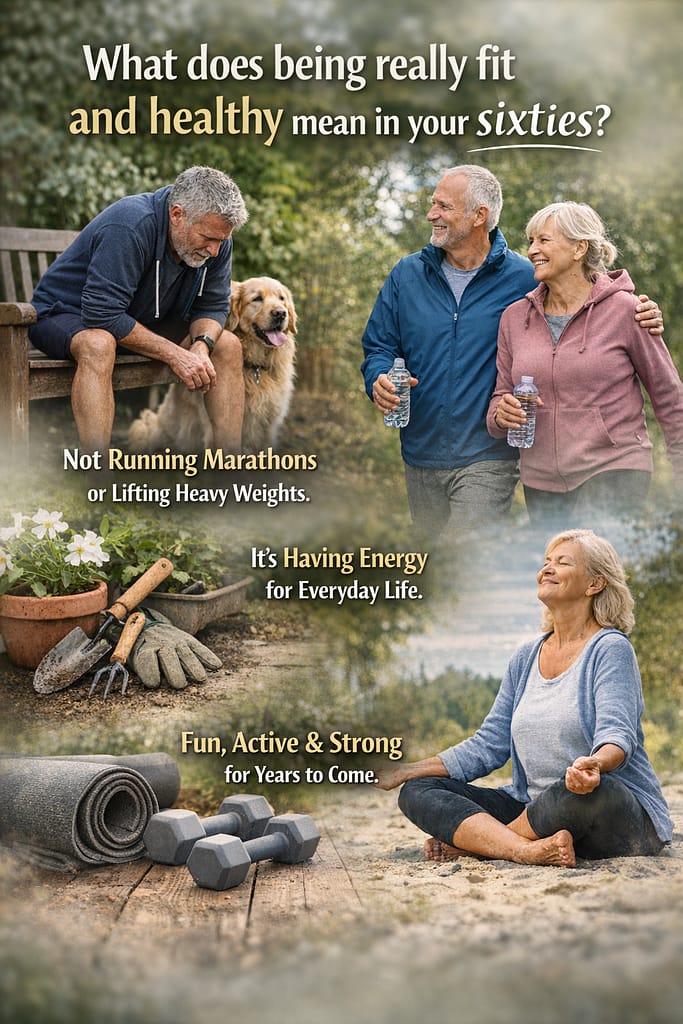
Build strength, improve mobility, boost energy and support long-term well being, without extremes.
Run 100 metres in under 10 seconds, run a marathon, play tennis does that make you fit and healthy.
At 60 I was happy to be able to walk the dog for 15 minutes without feeling so out of breath, I couldn’t talk and had to immediately sit down and recover for an hour.
Simple house and gardening chores being put off because I couldn’t be bothered to make the effort to get out of breath again and ache tomorrow.
Does fitness mean having big muscles and a six pack?
Health and fitness should be fun, inspirational and interesting to you, not necessarily forced, like I have to go to the gym because that is the only way to lose weight or get fit.
At our time of life everything we do has to be fun while helping us to stay strong both in body and mind to live a satisfying lifestyle as long as we possibly can.
Now if you google health and fitness, you will get a myriad of advice.
YouTube influencers, personal trainers, bodybuilders etc.
All telling you can lose weight quickly, build muscle mass, which is great, but if you’re anything like me you want to know what to eat and what exercise is compatible for you and your current circumstances.
These circumstances could be particular health conditions, financial restraints, times are still hard for many of us, cooking abilities.
So, let’s start at the beginning.
Why do you want to get fitter, for me it was a combination of things as previously explained, I had health issues, unable to do things I could always do, play football with my grandson, go for longish walks with my dog, get up and down ladders, swimming, the list of things were endless.
So, at over sixty, what do we need to do both in exercising and nutrition terms to be considered fit and healthy?
The guidelines according to NHS UK (most health advice for older adults is very similar worldwide).
Physical activity for older adults’ states that you should do some physical activity every day.
MOST IMPORTANT
SPEAK TO A GP OR YOUR HEALTH PROVIDER FIRST, IF YOU HAVE NOT EXERCISED FOR SOME TIME, OR IF YOU HAVE MEDICAL CONDITIONS OR CONCERNS.
When you start, make sure your activity and intensity are appropriate for your fitness.
My ignorance and huge ego meant I still thought I was as strong as I was at twenty-five and started lifting weights much heavier than what was safe for me at that moment in time.
The NHS states that you should aim to be physically active every day, even if it’s just light activity.
Do activities that improve strength, balance and flexibility on at least 2 days a week.
Do at least 150 minutes (about 5 hours) of moderate intensity activity a week or 75 minutes of vigorous intensity activity if you are already active, or a combination of both.
Reduce time spent sitting or lying down and break up prolonged periods of not moving with some activity.
All of the above sounds fantastic but if you are starting from a period of doing nothing or recovering from surgery remember to park your ego.
A small amount of steps are better than no steps (literally).
I started with slowly increasing my walks by just 50-100 metres at a time gradually increasing speed.
All my walks are now done at a reasonably brisk pace.
My exercising started with chair exercises from the British Heart Foundation website. http://bhf.org.uk
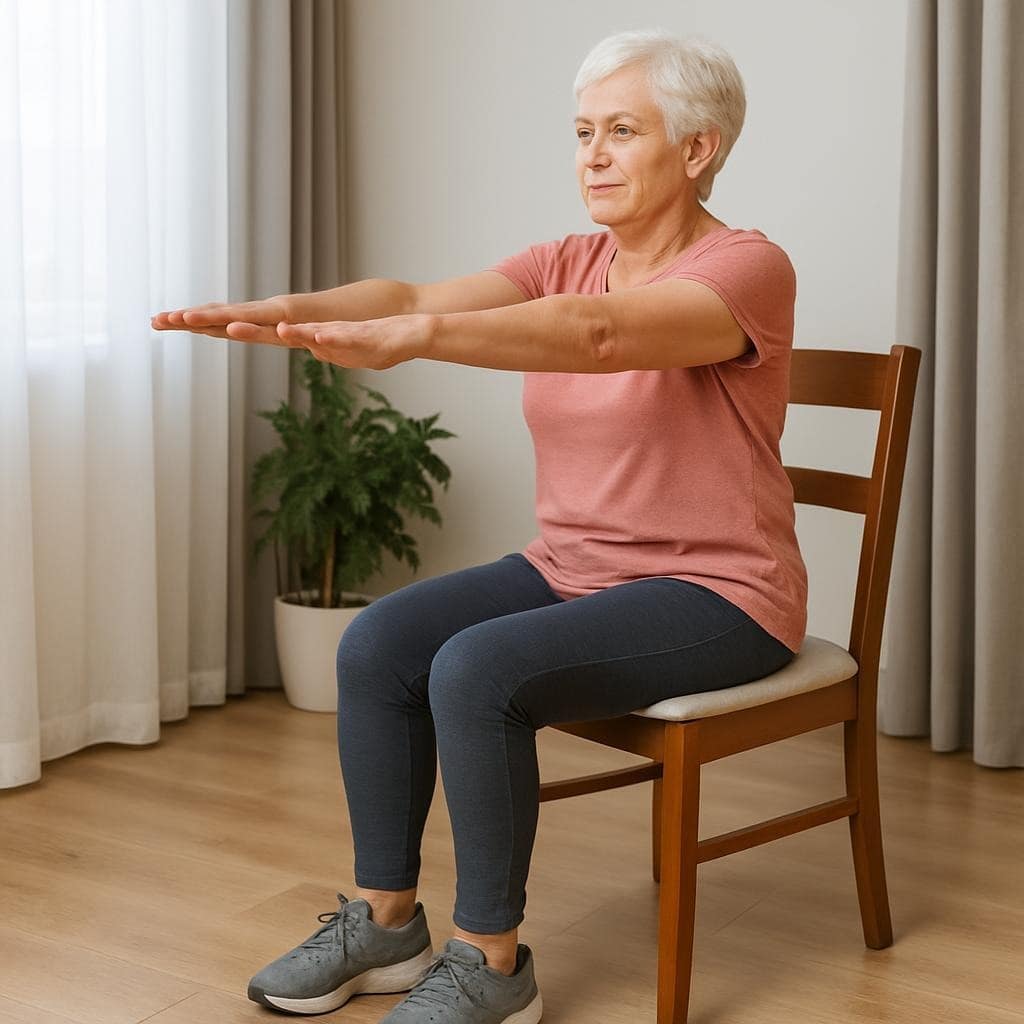
Keep it simple
The number 1 consideration when embarking on a new exercise regime is safety.
First check with a GP or health professional that it’s safe to start exercising.
Make sure clothing is appropriate for the activity you are undertaking, especially footwear, if your chosen activities include walking or running.
Literally as the old saying goes don’t run before you can walk.
Move More, Live Better: 10 Benefits of Staying Active After 60
Walking was the first exercise I started in order to lose weight as recommended by my cardiologist, however as he pointed out that many people walk incorrectly, he set about telling me my posture was awful.
Apparently, I was slouching and leaning forward and putting unnecessary strain on my back muscles and spine (I will forward what the cardiologist sent me on walking correctly, even though it is a bit boring! please request).
I do have or had bad posture from having a sunken chest (Pectus excavatum) and protruding ribs which I will talk about in future posts.
Leading on from this, it is very important from a safety point of view that whatever activity you undertake you do it correctly especially if like me you decide to work out from home or (Al fresco).
You need to make sure each movement is carried out with correct form.
Even with body-weight exercises such as push-ups, dips, crunches using the right form is essential to avoid injury.
Free weights, machines and resistance bands, again it is essential that the correct form is used to reduce the risk of injury that could put you out of action for days, weeks or even months.
If you have any doubts consult a professional.
Put ego aside and forget what you used to be able to do.
Remember we are older, some of us have stiff joints and are not as flexible as we used to be.
So start off slowly, and if lifting weights start light and gradually increase over a period of time (progressive overload).
Whatever exercises or activities you undertake make sure they are enjoyable and safe.
A friend of mine has recently taken up cycling, he started cycling short distances and has now completely changed his holiday destinations and life.
He drives to locations all over the UK and Europe making sure there are cycling routes and trails.
Please share what exercises or activities you are doing to help inspire others.
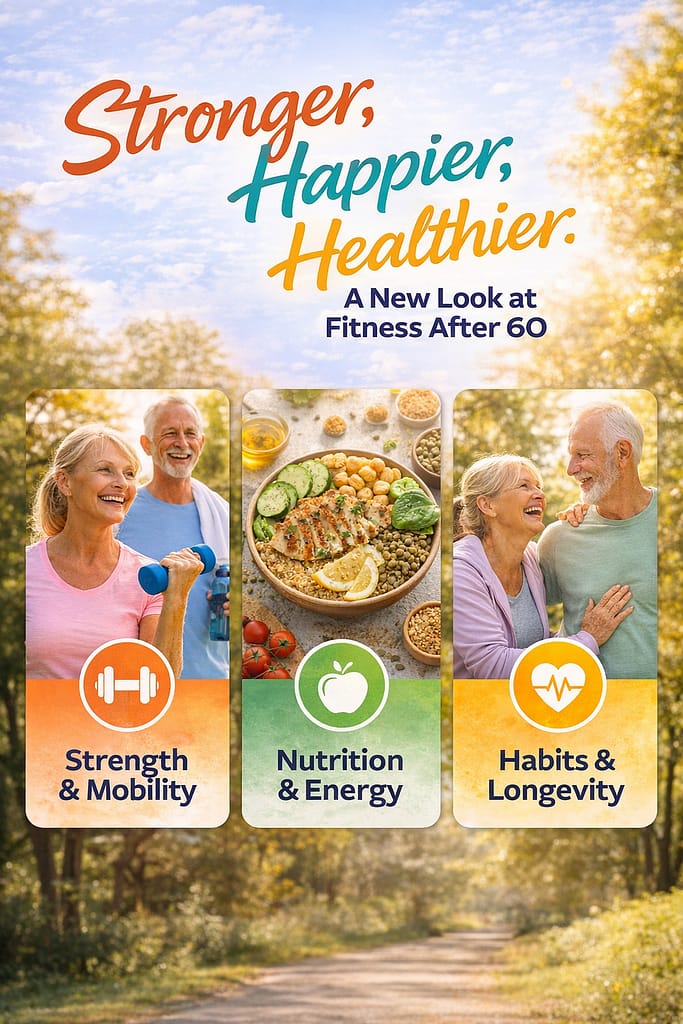
Nutrition

So, we have our goals and arguably the most important one is to improve our diet.
With all the information available, the endless fad diets, the fitness influencers, newspapers etc.
The one fact you cannot get away from is you WILL lose weight if you eat less and move more.
If like me, you want to lose weight but also regain some muscle mass you need to eat much more of the healthier options.
As I keep saying, whether it’s exercising, diet, new hobbies or any aspects of life you want to improve, it must be realistic, sustainable and enjoyable.
As mentioned before my wife has a serious bowel condition, and has had her large intestine removed and as a consequence cannot have a high fibre diet and has different nutritional requirements to me.
I need a high protein, high fibre diet to get anywhere near my goals as they are evolving.
The social side of eating has always been an important part of our relationship.
Most of the major decisions in our life have often been taken while enjoying a beautiful steak or enjoying a particularly palatable wine together.
Many things can affect your ability to eat as healthy as maybe we should, such as eating on the go at work, living circumstances etc.
The current hot topics on television and social media are not eating processed food. For what it’s worth my take is to eat as much whole foods as possible including fruits, vegetables and high protein foods.
So how do we lose weight, in simple terms we should eat less and move more.
Calorie Deficit
Calorie deficit means don’t be greedy, eat fewer calories than you are burning.
The best way to do this is by tracking your calories.
There are many apps available to be able to do this, I use the MyFitnessPal app which is free for basic calorie counting.
So, once I worked out that eating less calories seemed to be a sensible thing to try.
I started to research this more deeply, starting with NHS www.nhs.uk/better-health/lose-weight/calorie-counting/ this is well worth a read to get started.
How many calories to eat a day
The NHS recommended daily calorie intake for the average person is:
2,500 kcal for men
2,000 kcal for women
Bloody hell I thought, I was consuming over double that when I included the wine (the average Merlot has 600 calories per bottle) beer (on average a pint of 4% ABV lager has 180 calories).
How many calories to eat to lose weight
NHS state when trying to lose weight the average person should aim to reduce calorie intake by 500-600 kcal.
For me it was quite easy to reduce my calorie intake initially by simply reducing portion sizes>
As I have always been a relatively big eater, I always blamed my mum as from an early age until I was 50 she still said “have an extra potato, cream cake etc you are a growing lad” lol.
Joking aside as a British person, having a roast dinner in our family is a weekly ritual.
I used to eat at least 12 roast potatoes and used to see it as a badge of honour, to have seconds as well as a pudding with custard or cream, and most days I would eat large portions with a pudding (dessert) with every meal.
So, for me I still eat a roast dinner however I have 4-5 roast potatoes, lean cuts of meat and loads of vegetables and most days no dessert, if I do, I have fruit.
As I mentioned I use an app to help me count, when you start you enter what weight you are, height, age and what your goals are, i.e. weight loss, building muscle mass etc.
It then gives you a guide to how many calories you should consume and a breakdown of how much protein, carbohydrates, fats, sugar, salt, vitamins, minerals etc you should aim for.
Macros
You will hear the word macros a lot, no matter what training plan or diet plan you use.
Macros is the abbreviation of Macronutrients; these are a group of nutrients found in food that give us energy.
The three Macronutrients are; Carbohydrates, Protein & Fat. All three are essential in our diets for a happy life.
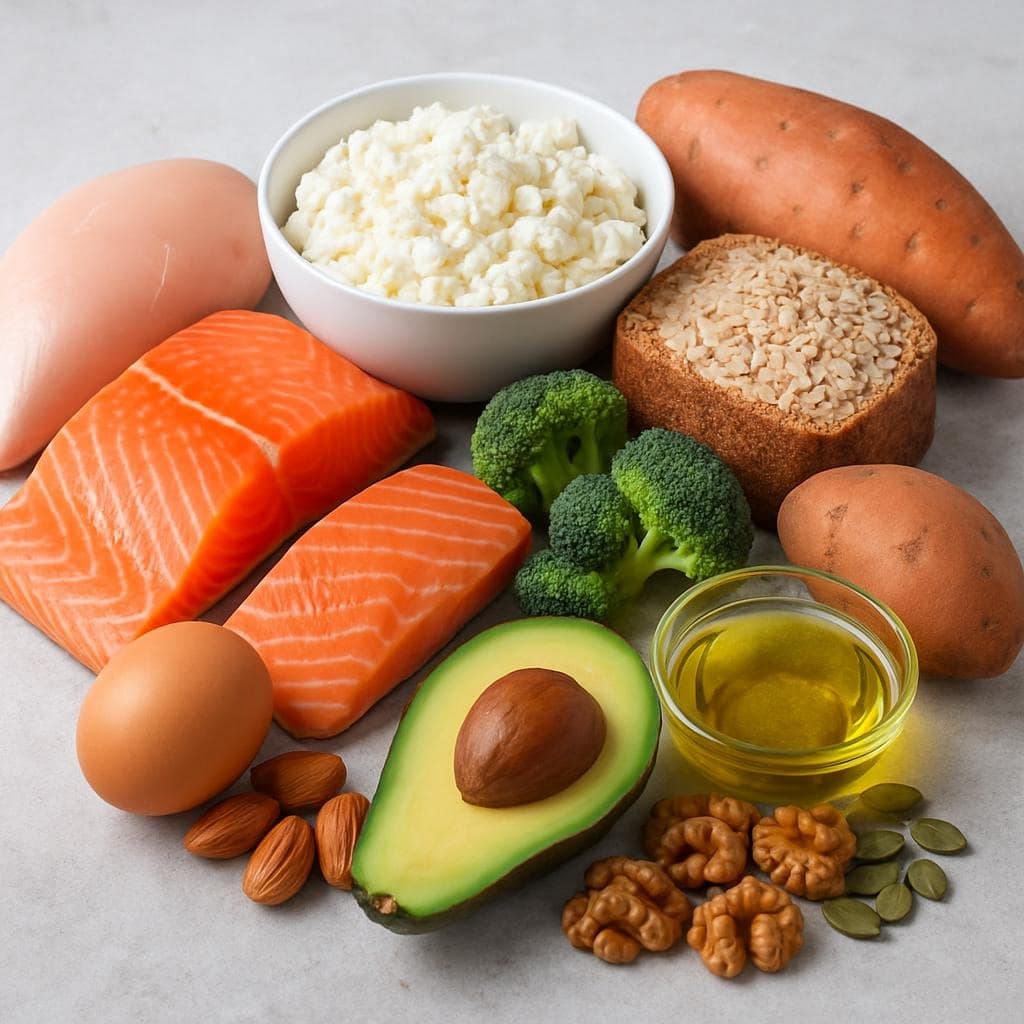
Looking to burn fat, build muscle, or maintain your active lifestyle?
Whatever your goal, adequate intakes of nutrients are key for optimising performance, recovery, and the reduction of health risks.
Here, we will focus on the basics of Macronutrient intake – the main energy providers (calories) that perform essential roles in the body and support our physical activity.
Macronutrients can be divided into three main nutrients: carbohydrates, proteins, and fats.
Carbohydrates:
The Best Healthy Carbohydrates for Energy and Heart Health
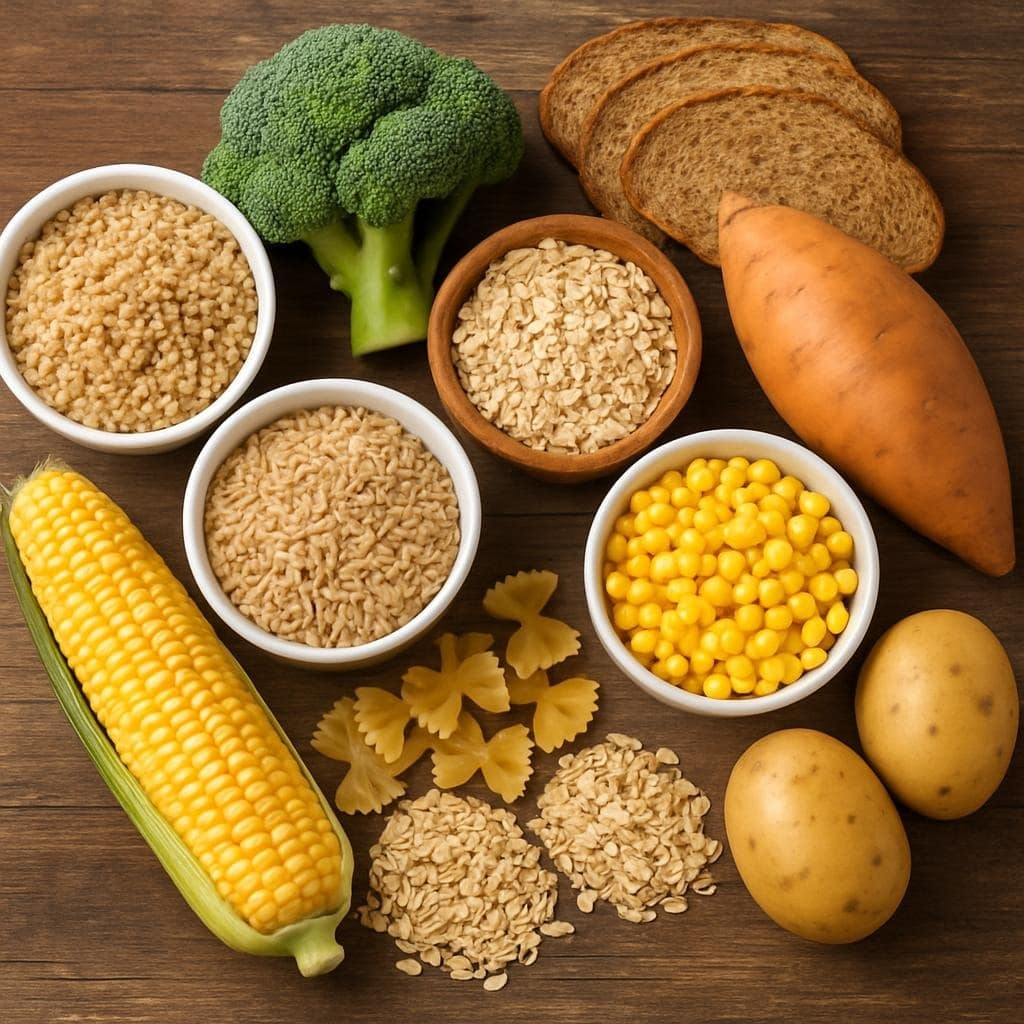
A key nutrient for providing energy is Carbohydrates, a source of glucose, which is then converted to energy.
The daily requirements for Carbohydrates are highly debated, high carb vs. low carb? But what is important here is that you tailor dietary carbohydrate intake to fuel exercise sessions and other daily activities.
Recent research from Scientific Advisory Committee on Nutrition (2015) stated that carbohydrate intake should be maintained at an average population intake of approximately 50% of total dietary intake.
To make up this amount, we should look to stay away from high-glycaemic (Simple) carbs packed with sugar and move towards slow-releasing sources of energy such as whole grains and oats as well as healthier options i.e. sweet potato and beans.
These types of carbohydrates (Complex) take more time for our body to break down, and this means that you’ll have more energy for training and feel fuller for longer.
Proteins:
Here are 10 of the best protein-rich foods commonly available in the UK
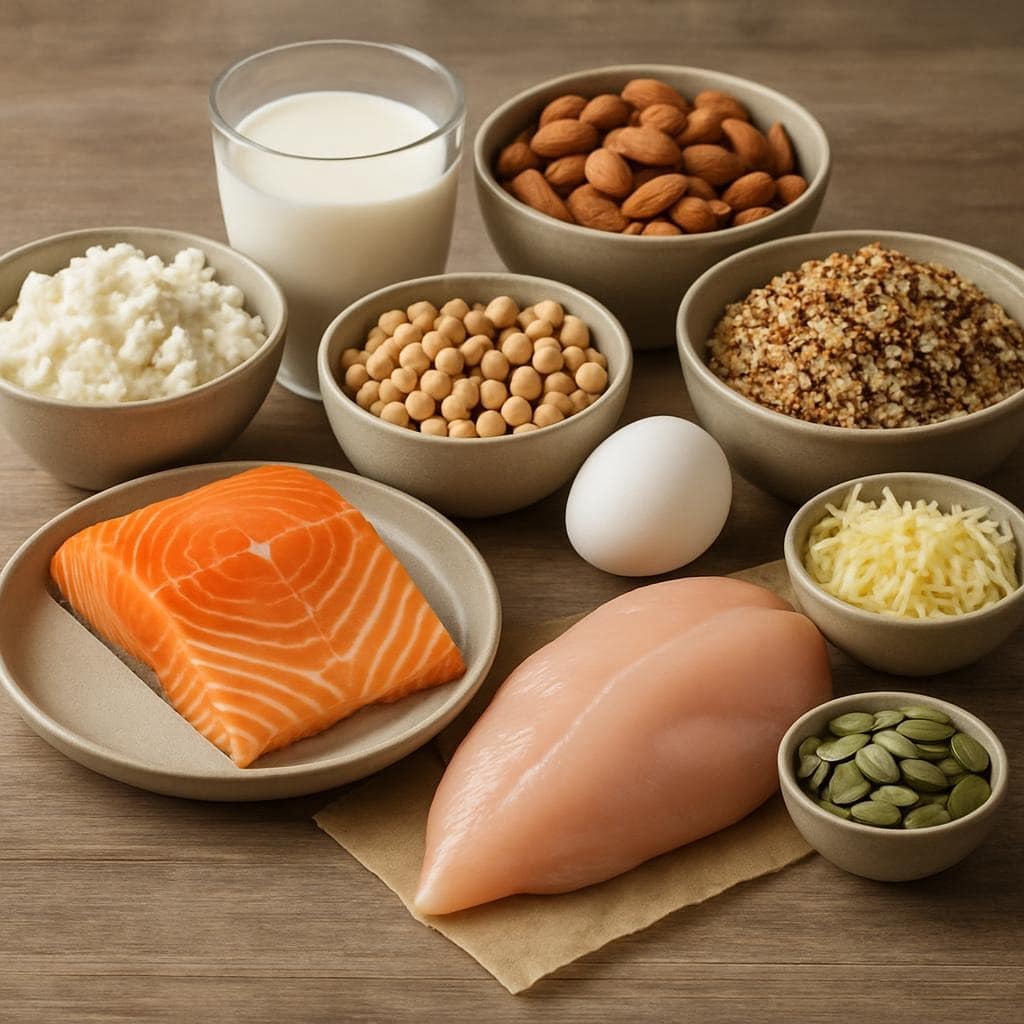
We all hear now in the gym, online or through word of mouth about the word protein, but what actually is it? And is it any good?
Each molecule of protein is made up of amino acids, which act as the building blocks to aid muscle recovery and growth.
The amount of protein we should look to consume should be according to body weight, with the recommended amount being 0.8g/kg.
For people over 60, the British Heart Foundation recommend increasing protein intake to 1 to 1.2 grams per kilogram (kg) to combat age-related muscle loss (sarcopenia) and support healing if doing exercise such as strength/resistance training.
This can be found in whole-food sources such as lean meats, fish and eggs as well as dietary supplements i.e. protein shakes, which are rich in pure protein and amino acid content.
When we eat these types of foods, our body breaks down the protein that they contain, creating amino acids.
Some amino acids are essential which means that we need to get them from our diet, and others are nonessential which means that our body can make them.
In summary, the continuation of a high protein diet aids greater weight loss, greater fat loss and preservation of lean body mass; as well as aiding our bodies in growth and repair.
Fats:
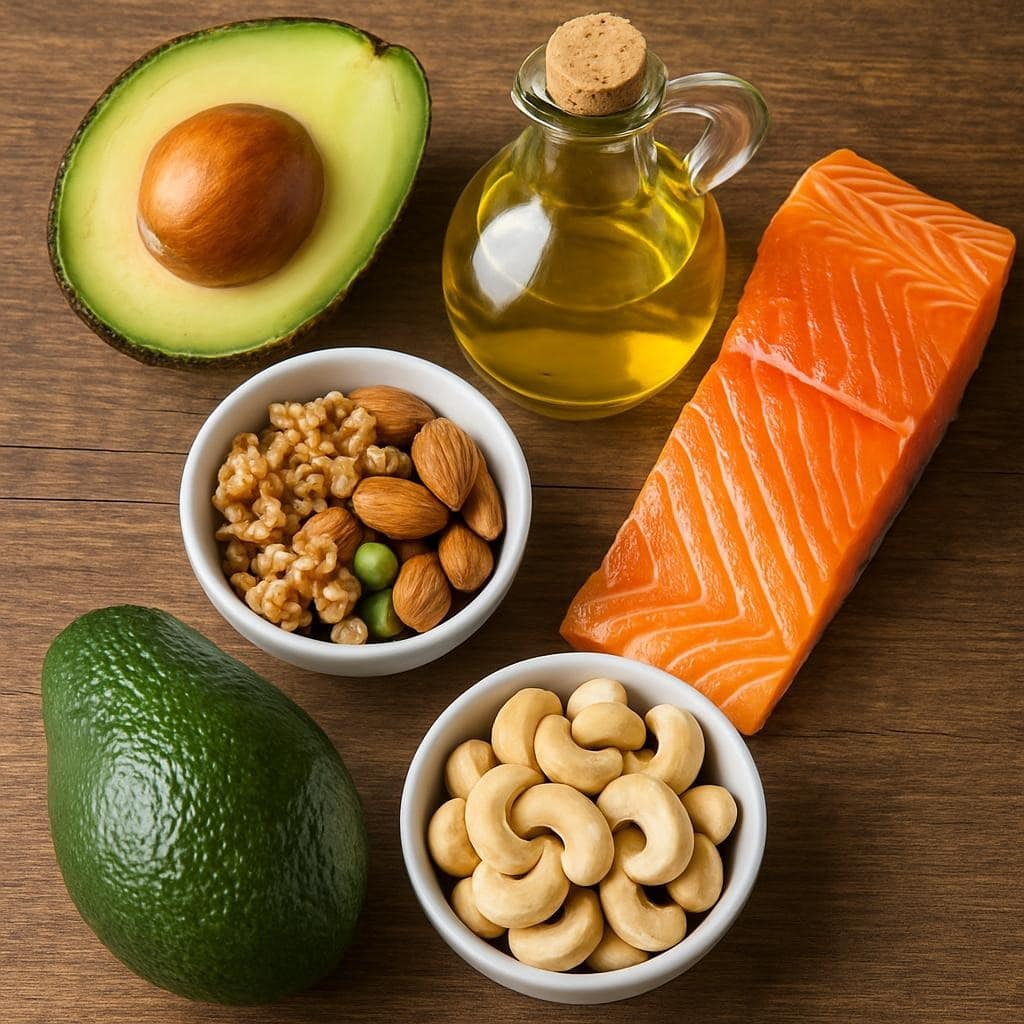
Whilst proteins are the commonly viewed as the “creme de la creme” of macronutrients.
Fats are not perceived with the same status. However, contrary to the belief that all fats are bad for you, this nutrient actually has a key part to play in supporting a healthy body.
What is important in daily fats intake, is to focus on getting lots of the “good” fats and less of the “bad fats”.
To create the right balance around fat intake we should be looking to avoid sources of saturated fats, sweets and fatty meats.
Instead, we should look towards unsaturated sources such as nuts and essential fatty acids such as Omega 3, to optimise its roles in the body.
“Good” fats allow our body to obtain fast releasing energy, enabling growth and development, as well as, absorbing certain vitamins and supporting cell membranes.
Macronutrients can be considered as the main part of our diet.
(Macro = Large) and an understanding of what they are and what they can do is important.
Whatever our goal may be.
Getting the balance right between macros in our diet is the key to energising our bodies, each nutrient has it’s own importance and are vital to aid a healthy functioning body.
What is a good diet for us over 60’s
As I keep saying we are all individuals and definitely not average,.
When dieting or exercising especially at the beginning it won’t work long term if it’s not realistic and sustainable over a decent length of time.
You can evolve your diet and exercise over time as you see gradual improvements it’s a marathon not a sprint.