ROPHO — Health, Pleasure & Balance in Your Sixties
One of the greatest pleasures in life, at least for me is eating out. Not Michelin star, dress code, remortgage the house gastronomy. I mean a good local restaurant or food pub, fresh produce, friendly service, somewhere comfortable where you can actually taste the food and hear the person sitting opposite you.
We’re lucky here in the UK, despite what people say, there are fantastic eateries everywhere, whether you love traditional British dishes, a cracking curry, or, like me… Italian. Beautiful pasta. A decent steak. Real coffee. Warm bread you swear you won’t touch… then touch.
But here’s the challenge:
How do we enjoy eating out without expanding our waistbands further?
“Just eat a salad!” someone will shout. Yes, but Mr. Calorie is often hiding in the dressing, the cheese, the creamy sauce poured politely by a smiling waiter.
So the answer isn’t restriction as is often the case it’s all about balance.
Preparation (The Healthy Halo Day)
Today I’ve been very good, preparing for tonight like a man entering a marathon:
Walked an insane number of steps
Low-fat Greek yoghurt with blueberries for breakfast
Tuna & cucumber wholemeal sandwich for lunch
Drank enough water to irrigate a small garden
Did 45 minutes of resistance training
Then sat at my laptop for six hours (balance, right?)
Did we plan ahead? Of course not. Last-minute booking, quick taxi (raining, no driving excuse!). We arrive. Found a table. Menus appear.
Then the first difficult question:
“What would you like to drink?”
This is where intentions and real life wrestle against each other.
We’d planned to be sensible. Maybe a glass of wine each.
But the waiter says they have a special Merlot, hand-picked by the owner. You know the one, described in poetic detail. Black cherries. Velvet finish. Oak barrels. Irresistible.
Sharon looks at me. I look at Sharon.
“This particular Merlot is sold by the bottle.”
Of course it is, It would be rude not to indulge wouldn’t it!
FitnessPal time. Bottle of Merlot: approx. 640 calories. Half for me (I promise). 320. Today’s calories so far: 897. Left: 1475. Wine fits. So far, so good.
Starter: Yes please.
So… can you eat healthily in a restaurant?
Absolutely — if you make small choices that balance enjoyment with awareness.
Some realistic tips (realistic meaning “still fun”):
We have been on this journey, and for what it’s worth, these are my thoughts. I asked Sharon, my wife, to proofread this post and give her honest opinion. On professional grounds, I cannot repeat what she said. However, I know I must do better and follow my own advice, especially about putting the phone down.
When life throws a challenge as heavy as breast cancer, it doesn’t just affect the person diagnosed, it ripples through the entire family. For many, the hardest part isn’t just coping with the illness itself but watching loved one’s struggle. If your daughter is facing breast cancer, your wife is carrying an unimaginable weight as a mother. And you, as her partner, are navigating the delicate balance of being strong for her while managing your own emotions.
This blog is for those who find themselves in that position, wanting to support their spouse through one of the most difficult chapters of life.
1. Acknowledge the Emotional Storm
Your wife may be experiencing fear, guilt, helplessness, and even anger. These emotions are natural. The most powerful thing you can do is listen without judgement. Avoid rushing to solutions or saying, “be strong.” Instead, validate her feelings with phrases like:
“I can see how hard this is for you.”
“It’s okay to feel overwhelmed.”
Sometimes, just being heard is the greatest comfort.
2. Be Present—Really Present
Presence isn’t just about being in the same room. It’s about being emotionally available. Put down the phone, turn off distractions, and give her your full attention. A gentle touch, a shared silence, or a simple “I’m here for you” can mean more than any grand gesture.
3. Share the Load
Stress multiplies when practical responsibilities pile up. Offer to take on household tasks, manage appointments, or coordinate with doctors. These small actions free her mental space and show that you’re in this together.
4. Encourage Self-Care
When a mother’s child is ill, her own wellbeing often takes a back seat. Remind her gently that she needs rest, proper meals, and moments of calm. Suggest activities that soothe her a walk, a favourite book, or even a short meditation. If possible, explore counselling or support groups where she can share her feelings with others who understand.
5. Keep Communication Open
Ask open-ended questions like:
“How are you feeling today?”
“What’s on your mind right now?”
Avoid phrases that pressure her to feel okay. Let her lead the conversation, and when she needs silence, respect that too.
6. Take Care of Yourself
Supporting someone through this journey is emotionally draining. It’s okay to admit that you’re struggling too. Find healthy outlets talk to a friend, join a support group, or keep a journal. Remember, your strength comes from being well yourself.
7. Seek Reliable Resources
Knowledge can ease fear. Explore trusted organisations such as:
Breast Cancer Now (UK)
Macmillan Cancer Support
Local family counselling services
These resources offer guidance, emotional support, and practical help for families.
Closing Thoughts
This journey is hard, there’s no denying that. But love, patience, and partnership can create a foundation strong enough to weather even the fiercest storms. You don’t need to have all the answers. You just need to show up, every day, with empathy and care.
Entering your sixties doesn’t mean slowing down, it can be the perfect moment to launch, grow, or reinvent a business. With decades of experience, a wide professional network, and the clarity that comes from knowing what truly matters. Entrepreneurs over sixty are uniquely positioned for success. whether you’re starting a fresh business or levelling up an existing venture, this guide will help you harness your strengths and navigate the modern business landscape with confidence.
1. Embrace the Power of Experience
By sixty or sixty-three as in my case, you’ve likely accumulated a lifetime of practical wisdom, how to solve problems, manage people, and stay calm under pressure. These strengths give you a serious advantage over less seasoned entrepreneurs.
Identify your core expertise and build your business around it.
Leverage your track record when establishing credibility with clients or investors.
Use your network, past colleagues, clients, and friends can become early supporters or collaborators.
2. Stay Curious and Adaptable
The business world evolves quickly, but the ability to adapt isn’t reserved for younger generations.
Be willing to learn new technologies, this is the reason I am starting this website at my time of life, one of my biggest tips for businesses have always been “Your website is your showroom to the world, get a website designer “who I normally recommend from my own business network .This has worked well. However, as times change at a pace, with technology and in particular AI, I would like to see if this old dog can learn some new tricks.
Take advantage of online courses, workshops, and mentorship programs aimed at small business owners.
View change as opportunity rather than disruption.
Adaptability makes your experience even more powerful.
3. Prioritize Health and Well-Being
Sustainable business success requires energy, clarity, and balance.
Maintain a routine that includes movement, rest, and healthy eating. In recent times finding a balance between work and real life issues such as family illnesses and bereavement has been a real issue and the really awful bit is neglecting time when you can have real fun with your loved ones. Remember a famous quote from George Bernard Shaw “You don’t stop laughing when you grow old; You grow old when you stop laughing.”
Set boundaries around work hours to avoid burnout.
Consider delegating or outsourcing tasks that drain you.
Taking care of yourself isn’t optional—it’s essential.
4. Use Technology to Work Smarter, Not Harder
Whilst many of you reading this article will undoubtably be very skilled in the modern technical world, I currently am not, however I am willing to learn and am making progress. Digital tools can streamline your workload and expand your reach.
Build an online presence through a simple website (as you can see still plenty of work to do) and social platforms.
Use automated systems for invoicing, scheduling, email marketing, and customer support.
Explore tools for collaboration and project management to simplify daily operations.
You don’t need to master every platform, just the ones that help your business run efficiently.
5. Reassess Your Financial Strategy
Your financial priorities at sixty may differ from earlier phases of life.
Create a realistic budget and set clear revenue goals.
Consider hiring a financial advisor who understands both entrepreneurship and retirement planning.
Explore funding options that fit your stage of life, such as grants, partnerships, or self-funding.
Financial clarity leads to better decisions and less stress.
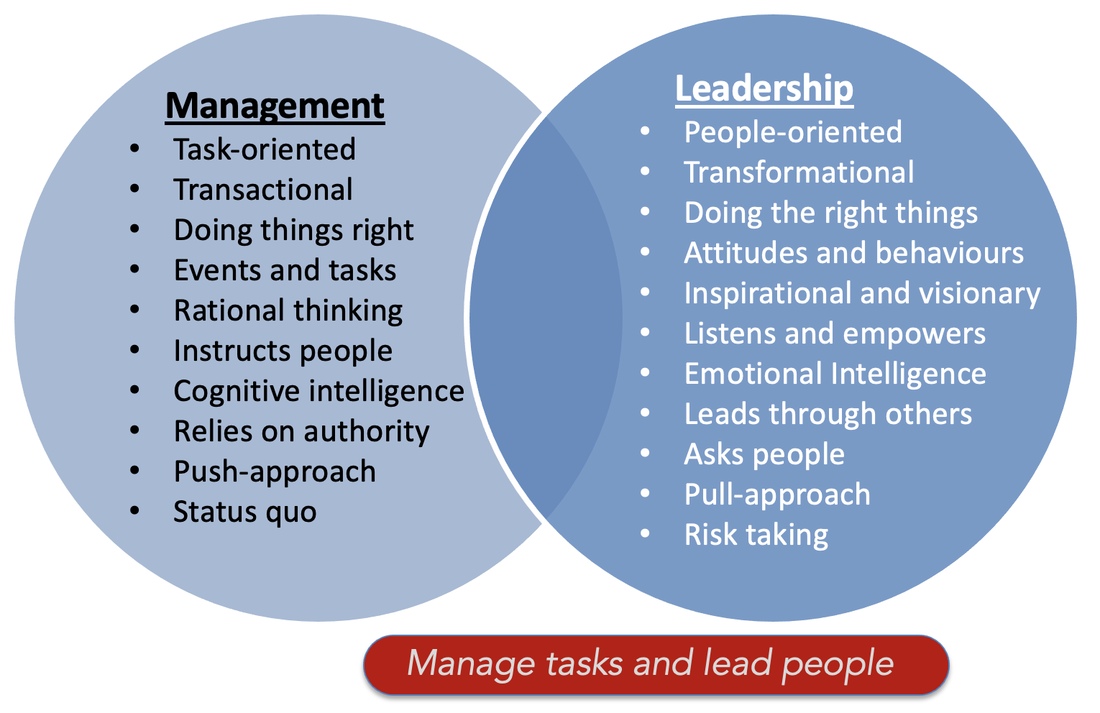
6. Lead with Purpose and Passion
Entrepreneurs over sixty are often motivated by meaning rather than obligation, which is a powerful foundation for success.
Align your business with your values and long-term vision.
Focus on work that energizes you and makes a difference.
Celebrate the freedom to choose projects and clients that align with your priorities.
Purpose-driven leadership attracts loyal customers and inspires strong teams.
7. Build a Support System
Success rarely happens alone.
Surround yourself with mentors, advisors, and peers who understand entrepreneurship.
Participate in business groups, both online and local.
Lean on younger generations for fresh ideas and tech insight and offer your expertise in return.
A solid support system boosts confidence and accelerates growth.
8. Celebrate Your Unique Edge
Starting or growing a business after sixty is not a limitation it’s an advantage. Your lived experience, emotional intelligence, and resilience are assets that can’t be taught in a classroom.
Embrace where you are, trust what you know, and stay open to what’s next. Success at sixty and beyond is not just possible, it’s powerful, purposeful, and entirely yours to define.
While I truly believe in this advice, nothing worthwhile is ever easy. If anyone finds any of this helpful that would be wonderful.
Please let me know if you are undertaking new ventures or indeed adventures and have any valuable advice you can share.
See Business Page for The Over-60s Business Planning Checklist
Body Image in Later Years: Is it a thing and does it matter?
Does your body image dictate whether you see your life as a success or are we more judged by material things such as large luxurious houses and extravagant lifestyles, do we or should we worry about what other people think especially as we get older.
Understanding, Navigating, and Embracing Ourselves as We Age
Introduction
Body image, a person’s perceptions, thoughts, and feelings about their physical appearance plays such a significant role throughout our lives.
Many people often say to me ” As I get older, I don’t give a damn about what other people think, I’ll wear what I like and don’t really care what I look like as long as I’m happy”
While much attention is often given to body image among teenagers and young adults, it is equally important in our later years. In fact, the relationship with our bodies continues to evolve as we age, shaped by experiences, societal attitudes, health changes, and personal reflections. Contrary to the assumption that older adults are less concerned with appearance, research and lived experiences reveal that body image remains a meaningful and at times, challenging aspect of our lives well into our senior years.
My lifelong journey of Body Image awareness began at a very early age having a sunken chest (pectus excavatum) which is a structural deformity of the anterior thoracic wall in which the sternum and rib cage are shaped abnormally. This produces a caved in or sunken appearance of the chest.
From as early as I can remember taking my shirt off became an issue whether it was at school PE or on the beach.
Body image is not a static concept. It shifts with our social contexts, life events, health status, and the messages we receive from those around us.
In childhood and adolescence, the seeds of body awareness are planted early and are often nourished or hindered by family attitudes, peer influences, and media representations. By adulthood, most people have developed a complex web of feelings about their bodies.
As we move into our later years, often defined as ages 60 and above, there may be assumptions that concerns about appearance wane. While the focus on certain aspects of our appearance may change, the reality is more nuanced.
As older adults we still encounter pressures regarding, beauty, fitness, and the “right” way to age. The mirror, it seems, never fully loses its power.
Changing Bodies, Changing Perspectives
Ageing brings natural and inevitable changes to the body. Hair may thin or turn grey, skin loses elasticity, joints stiffen, posture shifts, and muscle mass declines. For some, these changes are accompanied by illness or disability, which can further alter appearance and physical abilities. These transformations can challenge previously held notions of attractiveness and self-worth.
However, ageing also brings an opportunity for reflection. Now that I am a slightly older adult (although apparently, I don’t always act it) I find myself shifting priorities, valuing function and comfort over looks, or embracing the visible marks of a life well-lived. Wrinkles and scars become emblems of survival and experience, not just signs of time.
The Social Mirror: Culture and Community
The way society regards ageing, deeply influences individual body image. In cultures that idolise youth, older bodies are often marginalized or rendered invisible. Mass media still overwhelmingly favours youthful appearances, even as demographics shift. Marketing industries promote anti-ageing products, implying that ageing is a condition to be treated rather than a natural part of life.
Yet this narrative is being challenged. Across the globe, there is a growing movement celebrating “positive ageing,” featuring older adults in fashion, fitness, and public life.
Social media, for all its pitfalls, has also allowed older voices to counter stereotypes and reclaim their stories. Community support, whether it be family, friends, or peer groups it is still vital to nurturing a healthy body image at any age.
Gender, Sexuality, and Body Image in Later Life
Body image in later years is shaped by more than just age. Gender and sexuality play important roles. For example, women have historically faced greater scrutiny for their looks and may feel the pressure to “age gracefully” or resist ageing altogether. Men, while less targeted by beauty standards, may struggle with changes to strength, hair, or stature.
Health, Illness, and the Ageing Body
Health and body image are tightly linked, especially in later years. Chronic illnesses, surgeries, and medications can affect appearance and function. Scars, prosthetics, weight fluctuations, or mobility aids may become part of one’s self-image. For some, these changes prompt grief or frustration; for others, they spark resilience and adaptation.
Maintaining a positive body image in the face of health changes often involves redefining what “healthy” and “attractive” mean. It may mean celebrating what the body can do, rather than what it looks like, valuing strength, flexibility, or simply the capacity to experience daily life.
The Role of Family and Relationships
Relationships play a significant role in shaping body image at any age. Supportive partners can help affirm self-worth and acceptance, while negative comments or comparisons can reinforce insecurities. Family members, children, grandchildren, sibling can offer new perspectives on ageing, sometimes with humour or tenderness, other times with awkwardness or misunderstanding. Open conversations about ageing, health, and self-image can foster empathy and connection across generations.
Strategies for Nurturing a Healthy Body Image
While ageing inevitably brings change, there are many ways to nurture a positive relationship with one’s body in later years:
Practice self-compassion: Acknowledge feelings about body changes without judgment.
Surround yourself with positive influences: Seek out communities, media, and relationships that value people for who they are, not just how they look.
Focus on function and health: Celebrate the abilities your body brings you movement, laughter, touch, creativity.
Challenge negative stereotypes: Be an advocate for age diversity in your own life and community.
Stay active: Physical activity, at any level, can foster connection with your body and improve mood and confidence.
Embrace self-expression: Wear what feels good, try new activities, or engage in creative pursuits that affirm your sense of self.
Seeking Support
If negative body image begins to interfere with your quality of life, it’s important to seek support. Counsellor’s, therapists, support groups, and trusted friends can offer a listening ear and support. There is no shame in struggling with these feelings; they are deeply human and deserve care.
Conclusion: Embracing the Changing Self
Body image does not “expire” with youth, it evolves, endures, and sometimes transforms in later years. While challenges persist, so to do opportunities for acceptance, pride, and joy in the bodies that carry us through a lifetime. By fostering compassion, challenging cultural myths, and leaning into the wisdom of age, we can embrace the unique beauty of every stage of life and most importantly including later years.
I hope this post will create some discussion points and please tell me of examples of loving yourself even when you have struggled with body image.