Category: Lifestyle

Use this description to tell users what kind of blog posts they can find in this category.

  • The Fine Art of Unplugging, Unwinding and Saying No After 60

    Relaxing after a busy week is very important for life in your sixties.

    β˜• Weekend Conversation:

    Life after 60 is supposed to become easier.

    We have more freedom, more experience and, hopefully, a little more time. Yet some weeks still leave us wondering where the last seven days disappeared.

    A busy one. A stressful one. Running a business, writing these conversations, trying to stay fit, and keeping family happyβ€”it all has a habit of catching up with us.

    So this weekend, instead of trying to solve the world’s problems, here are three conversations that have been rattling around my head.

    Perhaps they’ll start a conversation in your house, too.

    Why Is It So Hard to Say No After 60?

    This week reminded me just how easy it is to promise too much.

    In business, late payments often start because difficult conversations are avoided.

    Customers become unhappy because somebody promised something they couldn’t deliver.

    Problems get pushed under the carpet until they become impossible to ignore.

    Then I caught myself thinking… we do exactly the same thing in everyday life.

    We promise to help, we promise to pop round, we promise to take something on, we promise to be somewhere.

    Before you know it, you’ve over committed yourself, broken a few promises, and disappointed people you genuinely wanted to help.

    Sometimes we say yes simply because saying no feels uncomfortable.

    Maybe one of the greatest skills we can develop after 60 isn’t working harder, it’s making fewer promises and keeping every single one we make.

    A well-timed “I’m sorry, I can’t” is often much kinder than a reluctant yes.

    Have We Forgotten How to Relax After 60

    The football season starts again this weekend.

    As a Southampton supporter, I was gearing up for it when Sharon just looked at me and said, “Didn’t it only finish a couple of weeks ago?”

    It certainly feels that way. The fixtures come around quicker every year.

    But her comment also made me realise something else.

    Hard-working people are often hopeless at relaxing.

    Many of us spent forty years building careers, paying mortgages, and putting everyone else first.

    Now that we finally have more freedom, we almost feel guilty enjoying it.

    Should we spend money travelling?

    Should we save it?

    Should we help the children more?

    Should we spoil ourselves instead?

    There probably isn’t a single right answer.

    But if we’ve worked all our lives for a little freedom, perhaps we should allow ourselves to enjoy it without feeling a pang of guilt every time we book a holiday or take a long lunch.

    Life isn’t a rehearsal.

    Can You Enjoy Life and Still Stay Healthy After 60?

    I’ll admit to something.I enjoy a good glass of wine. I also enjoy a whisky, not necessarily in that order.

    Like many parents and grandparents, I’ve always told my children that moderation matters.

    Then I looked back over this past week and realised I’d had a drink every single day.Nothing excessive, just one, but it made me stop and think.

    While I’m here encouraging people to strength train, walk more, and look after themselves, where does enjoying life fit into the picture?

    Do we really have to give up everything we enjoy to live a healthier life?

    I don’t think so. For me, it’s entirely about balance.

    Exercise regularly. Eat reasonably well. Keep moving. Sleep properly.

    Then, enjoy life’s pleasures without letting them become habits that quietly take control.

    Health isn’t about perfection. It’s about giving yourself the best possible chance of enjoying the years ahead.

    And Finally….

    My 22-year-old granddaughter had me laughing this week.

    She looked around the house and said:

    “Everything you’ve got is smart. The washing machine is smart. The dishwasher is smart. The TV is smart. The doorbell is smart. The only things that aren’t smart are you and me Grandad.”

    Cheeky. Funny. And probably true.It did make me wonder whether we’ve become a little too dependent on technology.

    Everything seems connected these daysβ€”apart from me. I still struggle to work out half the settings on these so-called smart gadgets.

    Perhaps that’s not such a bad thing.Sometimes the smartest thing we can do is switch the technology off, pour a coffeeβ€”or perhaps a small glass of wineβ€”and simply enjoy a conversation with the people who matter.

    Key takeaway: Life after 60 isn’t about saying yes to everything or giving up everything you enjoy. It’s about finding the confidence to say no when you need to, making time to relax, and enjoying life’s pleasures in moderation.

    So here’s this weekend’s question…

    Which of these conversations struck a chord with you most?

    Finding it harder to say no?

    Learning how to relax?

    Or trying to enjoy life without feeling guilty?

    I’d genuinely love to know.

    Have a wonderful weekend.
  • Living Well After 60: The Little Things That Change

    Living well after 60 - Three conversations for the weekend.

    β˜• Weekend Conversation:

    Living well after 60 isn’t about chasing youth or pretending we’re still thirty. It’s about adapting, learning and making the most of every stage of life.

    This week, three everyday conversations reminded me just how much life changes as we get olderβ€”from the face looking back at us in the mirror, to the small print on a travel insurance policy, and even planning a dinner party with friends.

    Living Well After 60: The Face in the Mirror

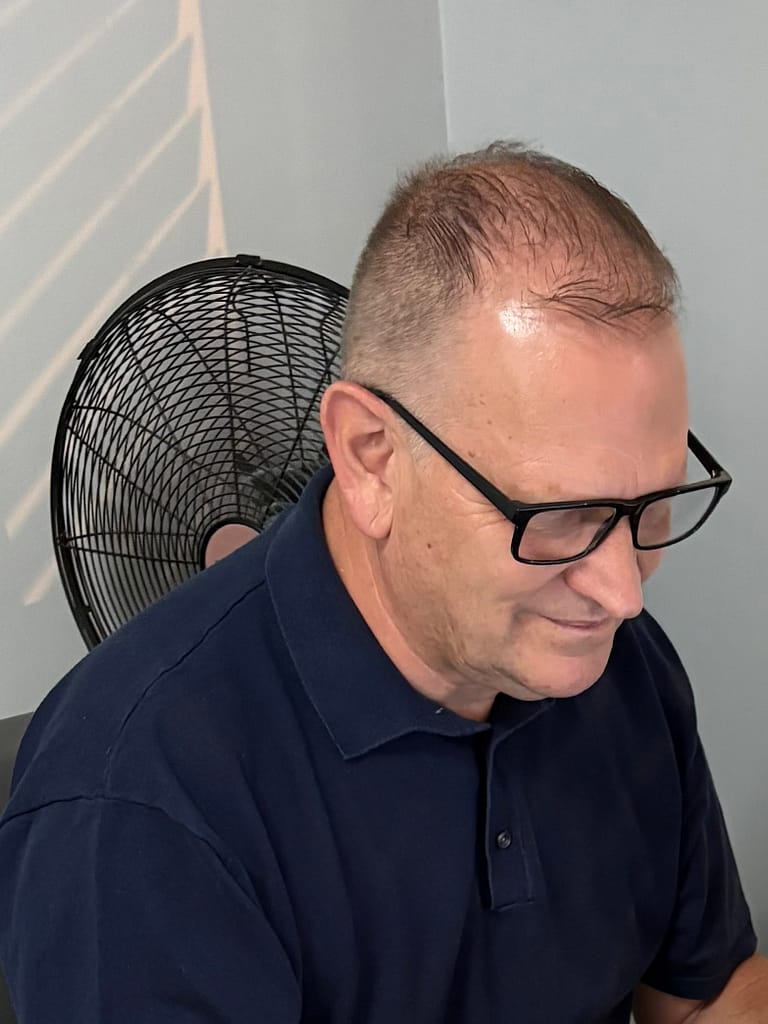
    As I’ve advanced in years, my face has started telling stories I’d rather it kept to itself.

    Hair now seems determined to grow everywhere I don’t want it, while quietly disappearing from the places I wish it would stay.

    My eyebrows appear to have ambitions of becoming a separate life form, while my ears and nose seem to have joined some secret hair-growing competition.

    Shaving isn’t as straightforward as it once was, either. The lumps, bumps, skin tags, and the odd age spot mean a traditional wet shave requires a little more concentration than it did twenty years ago.

    I still love the closeness of a razor, but there are days when common sense takes over.

    That’s probably why I have a Philips, a Remington, and a Braun electric shaver sitting in the bathroom. Each seems to have its own purpose depending on what sort of face greets me in the mirror that morning.

    Sharon laughs, but she’s fighting her own battles! The tweezers seem to come out more often these days for the odd stubborn chin hair that appears from nowhere, and her eyebrows also develop a mind of their own if left unattended for too long.

    And, of course, there are the reminders of our younger years. Like many of my generation, I spent countless hours on golf courses convinced that sunshine was simply something to be enjoyed, not something to be protected against.

    Sun cream wasn’t part of the routine back then. Today, those years have left me with a few age spots and moles that I keep a close eye onβ€”and ask my GP to check whenever something changes.

    None of this is about trying to look thirty again.

    It’s simply about looking after the face that has travelled with us for more than sixty years, and making sure it stays as healthy as the rest of us.

    Living Well After 60: Travel Insurance and the Small Print

    Our second conversation this weekend came about after chatting with friends who recently returned from a holiday having learnt a very expensive lesson.

    Like many of us, they’d bought travel insurance believing they were fully covered.

    Unfortunately, when something unexpected happened, they discovered that not everything had been declared in quite the way the insurer expected.

    Without going into their personal details, it was enough to make Sharon and I look at each other and say, “Perhaps we ought to check our own policy before we book anything else.”

    With trips to Crete and Thailand on the horizon, our travel insurance is about to come under the microscope.

    Having a pacemaker means I already know I’ll need to answer more medical questions than I did twenty years ago, but it also made me wonder what else insurers expect us to declare:

    • Is it just major operations?
    • What about high blood pressure or cholesterol tablets?
    • Diabetes or joint replacements?
    • Previous cancer treatments?
    • Sleep apnoea or even anxiety medication?

    The list soon becomes longer than most of us expect.

    It’s easy to focus on finding the cheapest premium, but the better question is: “If something happens 2,000 miles from home, will this policy really look after us?” That’s a very different question.

    Over the years, I’ve used Staysure for several trips, and as someone with a pacemaker, I’ve found their medical screening process straightforward.

    That doesn’t necessarily mean it’s the right insurer for everyone, but it shows there are companies specialising in older travellers and pre-existing medical conditions. Other insurers that many over-60s consider include AllClear and Saga.

    The golden rule: Compare cover, not just price, and make sure the policy matches your exact medical circumstances and travel plans.

    Living Well After 60: The Evolving Dinner Party

    The third conversation this weekend started with something Sharon and I genuinely loveβ€”dinner parties. For many years, we’ve enjoyed sharing an evening with friends around the table. Good food, good wine, and even better conversation.

    But as the years have passed, dinner parties have become slightly more complicated.

    Once upon a time, the only questions were:

    1. “How many people are coming?”
    2. “What are we cooking?”
    3. “Which wine shall we open?”

    Now? There’s a bit more to consider:

    • One friend is watching their weight.
    • Another is managing cholesterol.
    • Someone else has to watch their salt intake.
    • Another has cut back on alcohol.

    Suddenly, planning a weekend menu requires almost as much thought as planning a trip to Thailand!

    We are lucky to have a wonderful group of friends. Six couples, taking turns throughout the year, each hosting one dinner party.

    It’s become one of those traditions that we value more as time goes on.

    Our turn is coming up after we return from Crete, so naturally my thoughts have turned towards what to cook.

    And because we will have just returned from Greece, it got me thinking about Mediterranean cooking.

    For years, I’ve automatically reached for Italian olive oil. Perhaps that’s because Italian food has always played a big part as my children had an Italian grandfather.

    But after visiting Greece, I started wondering…

    Have I been overlooking Greek olive oil?

    Greece has a huge olive-growing tradition, and many Greek dishes rely on olive oil as one of their key ingredients.

    Is it different from Italian olive oil?

    Does it have a stronger flavour?

    Is one better for cooking while another is better for dipping with bread, salads or finishing dishes?

    Perhaps the real lesson is that Mediterranean cooking has always been about simple ingredients:

    • good olive oil
    • fresh vegetables
    • fish
    • lean meats
    • herbs
    • sensible portions

    Which actually fits rather well with how many of us want to eat after 60.

    What is your favourite dinner party dish that always gets people talking?

    And are you an Italian olive oil person, or have you discovered Greek olive oil?

    Looks like I’ve got another excuse to do a little research during our trip.

    Ropho Reflection

    Living well after 60 isn’t about expensive products, perfect health or giving up the things we enjoy.

    It’s about making small adjustments as life changes.

    Looking after ourselves rather than assuming getting older means simply putting up with things.

    Taking the time to read the small print before we travel.

    Cooking fresh, simple food that brings friends and family together.

    None of those things are dramatic on their own, but together they help us enjoy life with confidence, wherever the next adventure takes us.

    Now it’s over to you.

    Which of this weekend’s three conversations struck a chord with you?

    I’d love to hear your experiences in the comments.

  • The Best Investment After 60 Might Be Yourself

    🟧 Midweek After 60 Conversation

    Midweek conversation - Why investing in yourself after 60 may be the smartest decision you'll ever make.
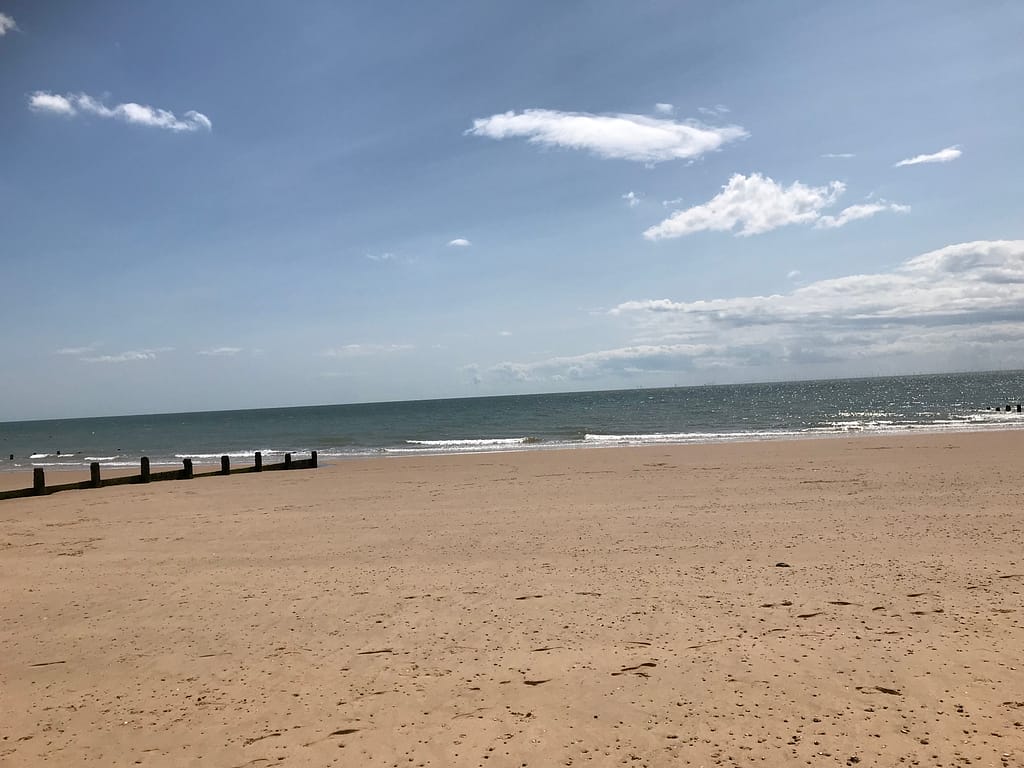
    Frinton Beach in Essex

    As Sharon and I come to the end of our three-week working trip exploring England’s East Coast, I’ve had plenty of time to think.

    We’ve discovered some wonderful places, enjoyed some memorable meals, walked miles along the coast and, in between, I’ve been quietly adding to Ropho’s growing library.

    Something has been playing on my mind.

    When I launched Ropho, I thought my most popular articles would be about good food, interesting wines and finding hidden gems for a weekend away.

    Instead, the article that continues to attract the most readers is one comparing resistance bands with dumbbells.

    That genuinely surprised me.

    But perhaps it shouldn’t have.

    Every Monday we talk about building businesses that are profitable enough to give us more freedom.

    We regularly discuss pensions, savings and making the most of the money we’ve worked hard to earn.

    The weekend conversations are about enjoying life, travelling, good food and making memories.

    Yet all of those things rely on one asset that many of us neglect.

    Ourselves.

    A Lesson I Had to Learn the Hard Way

    A few years ago, life gave me a sharp reminder that none of us are invincible.

    After my heart problems and having a pacemaker fitted, I had to make some significant changes.

    Giving up smoking wasn’t the difficult part.

    Replacing the habit was.

    For a while, my new best friends became the fridge and the sofa.

    It would have been easy to stay there.

    Instead, I slowly discovered something that has become one of the most valuable lessons of my life.

    Exercise wasn’t just helping my body.

    It was helping my mind.

    The hour I spent walking or doing resistance training wasn’t time taken away from my business.

    It made me better when I returned to it.

    The Six-Hour Investment

    Around the same time I was helping several business owners who were working sixty or seventy hours every week.

    They wanted help growing their businesses.

    What many of them actually needed was permission to look after themselves. They were burning themselves out, not eating properly, not sleeping properly and definitely not exercising.

    That experience led me to a simple rule that I still follow today.

    Protect six hours every week.

    Three hours working on your business, and then spend three hours working on yourself.

    Not because you have plenty of spare time, because you don’t

    Those six hours often improve the other hours in the week.

    Then Something Happened

    Over recent weeks I’ve noticed something else.

    The conversations I’m having with readers are changing.

    One reader, a GP, told me she found my article about management and leadership refreshing because it explained complicated ideas in a straightforward way.

    She admitted that although she became a doctor to care for people, today she also has to lead teams, manage budgets and run a practice.

    Another conversation this week was with a young entrepreneur who runs a successful food business. Despite the difference in our ages and industries, we both reached the same conclusion.

    Whether it’s sales, marketing or leadership, success comes from understanding people.

    These conversations have reminded me why I started Ropho.

    It isn’t simply about business, it isn’t just about money, it isn’t only about fitness.

    It’s about helping people over 60 make the most of the years ahead.

    Sometimes that means discussing pensions, sometimes resistance bands, sometimes business strategy, sometimes finding a great place for lunch.

    The subjects change.

    The purpose doesn’t.

    This Week’s Money Conversation

    That brings me to another subject several readers have asked about.

    Could delaying your pension actually leave you better off?

    The answer, as with most financial decisions, is that it depends.

    For some people, waiting can make excellent financial sense.

    For others, taking the income sooner allows them to enjoy the years when they’re healthiest and most active.

    Over the coming days we’ll explore the advantages, the disadvantages and, more importantly, the questions you should ask before making such an important decision.

    Over to You

    One thing I’ve realised recently is that many of my favourite articles haven’t started with my ideas at all.

    They’ve started with our conversations.

    So I’d like to ask you something.

    What’s the biggest challenge you’re facing as you look towards the years ahead?

    Is it your health?

    Your finances?

    Finding purpose after retirement?

    Running a business?

    Or simply making more time for the people who matter most?

    Drop me a comment below or send me a message.

    I read every one of them.

    There’s a good chance next week’s conversation will begin with yours.

  • Weekend Conversation: Wine, Summer Memories & Life After 60

    This weekend conversation - Wine, food and memories.

    Food, Memories & Our Glorious Decade

    Sometimes the best conversations aren’t about business or money. They’re about the simple things that make life enjoyable.

    Welcome to this weekend’s conversation.

    Sharon and I are now into our third week exploring England’s beautiful East Coast. It’s been part holiday, part research trip for Ropho and, perhaps most importantly, a reminder that some of the best discoveries happen when you slow down.

    We’ve enjoyed stunning scenery, stayed in some lovely hotels, uncovered a few hidden gems for future weekend breaks and, above all, met some genuinely interesting people. I’ll be sharing plenty of those experiences over the coming weeks.

    But after this week’s conversations about business and personal finance, I thought we’d do what weekends are for.

    Pour yourself a glass of something you enjoy, settle into your favourite chair and join me for three conversations that have been on my mind this week.


    1. Wine, Scallops and the Unwritten Rules of Hospitality

    One evening this week we enjoyed an outstanding plate of Oriental scallops. As often happens, the meal became more than just dinner. It turned into a conversation with the chef about seafood, wine pairings and what actually makes a good bottle of wine these days.

    My own view has always been wonderfully uncomplicated.

    Red wine goes with almost everything.

    Although, even I’ll admit that pairing a full-bodied red with delicate scallops may be stretching the friendship a little.

    During the meal I mentioned to Sharon that I’d invited a couple of new people we’d met on our travels over for dinner when we return home. They’re interesting people who may even become part of the wider Ropho journey.

    That simple conversation led to another question.

    When you’re hosting friends, do you open your very best bottle, or do you quietly keep the special one tucked away for another occasion?

    Is hospitality about sharing your finest, or simply making people feel welcome?

    And while we’re on the subject, what do you think represents good value these days?

    Has the price of a decent bottle quietly crept beyond what most of us consider reasonable, or can you still find excellent wines without spending a fortune?

    Over to you…

    • Do you bring out the best bottle when guests visit?
    • What’s your favourite everyday wine that tastes far more expensive than it actually is?

    2. Long Summers, County Cricket and Village Life

    Driving through the countryside of Essex, Suffolk and Norfolk this last couple of weeks, brought back memories I hadn’t thought about for years.

    Summer feels different now.

    Perhaps it’s because we appreciate it more. Perhaps it’s because we know just how precious those warm evenings really are.

    Growing up in a small Hampshire village, summer seemed to last forever.

    I remember tractors humming across nearby fields, afternoons spent beside the village cricket ground with my grandfather and uncle, and those wonderful “special occasion” trips that felt like grand adventures.

    One of my favourites was visiting Hampshire’s old County Ground, where I watched legends such as Gordon Greenidge, Andy Roberts and Barry Richards from the boundary rope. I even remember being quietly smuggled into the Members’ Enclosure on one unforgettable afternoon.

    There were family picnics on Old Winchester Hill, walks through the beautiful Meon Valley and Sundays when visitors would call after church. Our bungalow stood next door to the parish church, and I can still picture my grandmother and mum sitting in the garden enjoying a gin and tonic while conversation drifted lazily into the evening sunshine.

    Funny how summer itself hasn’t really changed.

    Perhaps it’s simply our perspective that has.

    Over to you…

    When you think of summer, what’s the very first memory that comes flooding back?


    3. Our Glorious Decade

    One subject seems to come up more and more as we move through our sixties.

    The bucket list.

    Some people love the idea because it gives them purpose and direction.

    Others dislike the phrase altogether, believing it creates unnecessary pressure and turns life into a checklist.

    Personally, I think the answer lies somewhere in the middle.

    I don’t believe we need fifty grand ambitions scribbled onto a list.

    But I do believe we all need something exciting to look forward to.

    It might be travelling somewhere you’ve always dreamed about. Japan remains high on my own list.

    It might be learning a new skill, writing a book, starting a small business, volunteering, getting fitter than you’ve ever been or finally creating something you’ve talked about for years.

    For me, that’s exactly what Ropho represents.

    It’s proof that new ideas don’t have an expiry date.

    If anything, our sixties can become the decade when experience, freedom and confidence finally come together.

    I’ve started calling this our Glorious Decade, because I genuinely believe that’s what it can be.

    Not a time to slow down.

    A time to choose what really matters.

    Over to you…

    If there was one dream, one adventure or one personal goal you’d still love to achieve, what would it be?


    Final Thoughts

    One of the unexpected pleasures of writing Ropho has been the conversations that follow. Every week people share memories, opinions and experiences that often become the inspiration for future articles.

    So wherever this weekend finds you, I hope you find time to enjoy good food, good company and perhaps spend a few moments thinking about the adventures that still lie ahead.

    Life after sixty isn’t about looking backwards.

    It’s about making the years ahead every bit as interesting as those we’ve already enjoyed.

    Have a wonderful weekend.

    Steve

  • How to Audit Your Spending After 60 and Fund Adventure

    Auditing your finances after 60, so that you can fund excitement.


    🟨 Wednesday Finance Conversation:

    Now moving into the seventh month of Ropho, last week’s conversation about the lifestyle gap – the difference between the retirement we imagined and the one our pension alone may provide – reminded me why I started this website in the first place.

    It was never meant to be a place where I simply handed out advice. There are already plenty of excellent websites that explain pensions, investments and tax planning.

    My ambition was slightly different.

    I wanted to create a platform where people over 60 could talk openly about the subjects that really matter.

    To debate ideas, share experiences and sometimes even disagree respectfully.

    Conversations that aren’t always easy to have, but become much easier when people realise they aren’t facing them alone.

    Last week’s finance conversation, together with our earlier discussion about blended families, wills and trusts, generated some of the most thoughtful comments we’ve ever received.

    Reading through them taught me something.

    Although our circumstances are all different, most of us want exactly the same thing. We want to enjoy our sixties and seventies while we’re healthy enough to do so. Some of us dream of travelling. Others want to help grandchildren through university. Some simply want the reassurance of knowing they have enough money to sleep well at night.

    There isn’t a right answer, there are simply different priorities.

    One thing did become obvious, though.

    Many of you weren’t worried about running out of money.

    You simply wanted to make smarter decisions with the money you already have.

    As many of you know, when I write my Monday Business Conversations, I can speak with absolute confidence. After more than forty years working with businesses, I’ve seen what works – and perhaps more importantly – what doesn’t.

    These Wednesday and Weekend conversations are a little different.

    Here, I’m simply sharing my own experiences and opinions, hoping they resonate with you. In fact, researching these finance conversations has made me look at my own finances differently.

    More than once I’ve caught myself thinking, “I tell my business clients to review this every year, when was the last time I reviewed my own?”

    Which brings us neatly to this week’s conversation.


    The Adventure Fund Audit

    When most people hear the words “budget” or “review your spending,” they immediately think about giving things up.

    No more restaurant meals.

    No more spontaneous weekends away.

    Swap the coffee shop for instant coffee.

    If that’s what you think this conversation is about, let me put your mind at rest.

    We’re not doing that here.

    By the time we reach our sixties, most of us have worked far too hard to spend the next twenty or thirty years counting pennies.

    You deserve to enjoy your favourite restaurants, travel when the opportunity arises and enjoy the rewards of everything you’ve spent a lifetime building.

    But there is a huge difference between spending money on things that genuinely improve your life and allowing money to quietly disappear every month without even noticing.

    This week’s challenge is something I call The Adventure Fund Audit.

    The aim isn’t to spend less.

    It’s to spend more intentionally.


    1. The Low-Hanging Fruit – Finding the Silent Leaks

    Before looking for extra income, let’s stop the unnecessary leaks.

    These are usually the easiest wins.

    The Lazy Cash Trap

    One question worth asking is this.

    Is your savings account actually working for you?

    Many people still have money sitting in current accounts or older savings accounts earning very little interest.

    In business we’d probably describe this as idle capital.

    At home it’s simply money that could be working harder.

    Moving accessible savings into a competitive Cash ISA or higher-interest savings account could generate hundreds of pounds each year without taking any additional risk.

    That’s a weekend away simply from moving your money to a better home.

    Subscription Creep

    Take a look through your bank statements over the last three months.

    Streaming services.

    Apps.

    Magazine subscriptions.

    Gym memberships.

    How many are you genuinely using?

    Cancelling just two Β£15 monthly subscriptions releases Β£360 every year.

    That’s money you probably won’t even miss.

    The Loyalty Tax

    Insurance companies, broadband providers and utility suppliers know that many of us simply allow policies to renew automatically.

    An hour comparing prices could save several hundred pounds annually.

    Loyalty is admirable.

    Paying more than necessary isn’t.


    2. The Pension Treasure Hunt

    This could be the most rewarding part of today’s audit.

    Most of us have changed employers several times throughout our working lives.

    Every move often meant joining another workplace pension scheme.

    Then life happened.

    We moved house.

    Companies changed names.

    Paperwork disappeared.

    Those pension pots were forgotten.

    Today, billions of pounds remain sitting in lost or unclaimed pension accounts across the UK.

    Some may only contain a few thousand pounds.

    Others considerably more.

    Why Small Pension Pots Matter

    Finding a forgotten Β£5,000 pension won’t transform your retirement overnight.

    But it could pay for the holiday you’ve always promised yourselves.

    Help a grandchild.

    Provide an emergency fund.

    Or simply give you more financial confidence.

    Sometimes it’s the unexpected discoveries that make the biggest difference.

    Where Do You Start?

    The Government’s free Pension Tracing Service helps people locate workplace pension schemes linked to previous employers.

    You don’t need account numbers.

    Often just remembering where you’ve worked is enough to begin the search.

    Once you’ve found them, you can decide whether consolidating those pensions or discussing your options with Pension Wise or an independent financial adviser is appropriate for your circumstances.


    3. The Joy Versus Cost Test

    Once you’ve stopped the leaks, it’s time to look at your everyday spending.

    Rather than asking,

    “Can I afford this?”

    Try asking,

    “Does this genuinely improve my life?”

    If Friday night at your favourite Italian restaurant brings happiness every week…

    Keep doing it.

    That’s money well spent.

    On the other hand, I know from experience how easy it is to spend money on takeaway coffees and convenience food when I’m travelling to see business clients.

    Those little purchases don’t feel expensive individually.

    Over twelve months they soon add up.

    It’s not about restricting yourself.

    It’s about making sure your money reflects what’s actually important to you.


    Your Adventure Fund Challenge

    This week I’d encourage you to spend one evening doing three simple things.

    βœ… Review your last three months of bank statements and highlight recurring payments you no longer value.

    βœ… Write down every employer you’ve worked for and check whether you’ve left behind any forgotten pension pots.

    βœ… Add together everything you’ve saved or discovered.

    That figure becomes your personal Adventure Fund.

    You might be amazed how much money has been quietly hiding in plain sight.


    Ropho Reflection

    One thing this series has taught me is that financial planning isn’t really about money.

    It’s about choices.

    Every pound we save from waste is another pound we can spend on experiences, family, travel or simply enjoying life with fewer worries.

    For me, that’s what retirement planning should always be about.


    Coffee Break Question β˜•

    Have you ever discovered money you didn’t realise you had?

    Perhaps an old savings account, Premium Bonds, a forgotten pension or simply money you’d been wasting every month without noticing.

    I’d genuinely love to hear your stories because, as Ropho continues to grow, it’s becoming increasingly clear that we learn just as much from each other as we do from any expert.


    Next Wednesday…

    The Waiting Game: Could Delaying Your Pension Actually Leave You Better Off?

    We’ll look at when waiting can make financial sense, when it doesn’t, and I’ll also share some of the excellent suggestions many of you have already contributed.

  • Weekend Conversation: Strength, Oysters & Style After 60

    A weekend chat about how important strength is in your 60's, style and oysters.

    Good morning everyone.

    Sharon and I are one week into our East Coast adventure, working, writing and relaxing from a beautiful lodge here in Essex.

    We’ve spent a thoroughly enjoyable few days exploring more of the coastline and, once again, it’s reminded me just how underrated this part of England really is.

    From walking around Frinton-on-Sea and Walton-on-the-Naze to visiting a lovely local vineyard, we’ve sampled some fantastic seafood and, of course, had the inevitable debate over what I chose to wear to lunch!

    It got me thinking about three questions I’d love your thoughts on this weekend…

    πŸ’ͺ 1. Is strength training really that important as we get older?

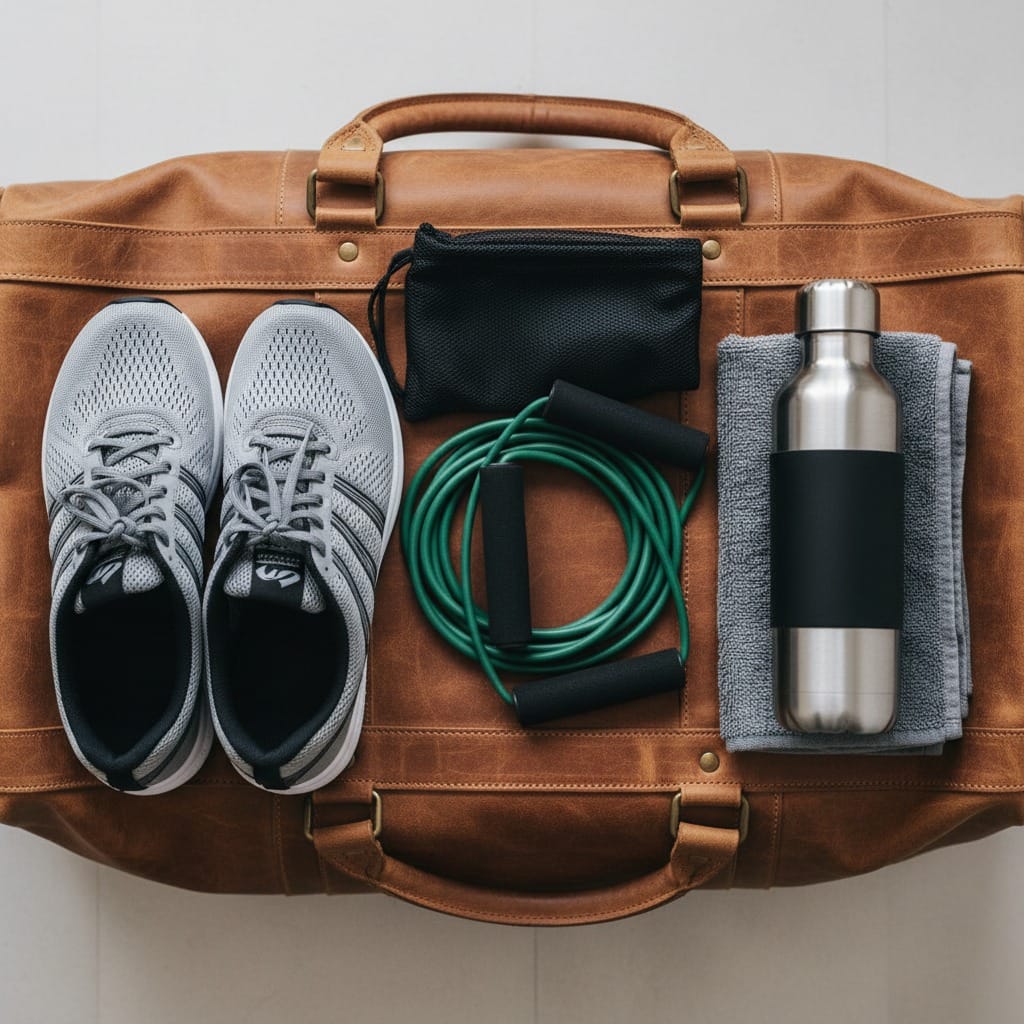
    I’ve become a real fan of strength training over the last few years. Nothing extremeβ€”just sensible, regular exercises with dumbbells and resistance bands a few times each week.

    I genuinely feel stronger, fitter and have far more energy because of it.

    Sharon isn’t quite so convinced, and neither are several of my friends.

    They tend to picture heavy weights and intimidating gyms, whereas I see it as an insurance policy for staying active and independent.

    If you strength train, what persuaded you to start?

    And if you don’t… what’s stopping you?


    πŸ¦ͺ 2. Oysters… the food of love or do they just make you gag?

    One of this week’s highlights was discovering just how famous Mersea Island is for its native oysters.

    Having eaten oysters in several parts of the world, I have to say the Mersea oyster is right up there. It has a slightly different, wonderfully crisp flavourβ€”but I think that’s exactly what makes it special.

    Digging into it, I found a surprising fact. A serving of six oysters contains around 15 grams of high-quality protein, very few calories and is packed with Vitamin B12, zinc, copper and heart-healthy omega-3 oils. No wonder they’re considered a genuine superfood.

    So where do you stand?

    ❀️ Food of love?

    🀒 Or do they just make you gag?

    And if you do enjoy them, do you chew them, swallow them whole, or prefer them grilled or baked?


    πŸ‘” 3. Has the sports jacket had its day?

    We stopped for lunch at a lovely gastro pub mid-week and I thought I’d pulled together a pretty sharp smart-casual outfit…

    A navy blazer…

    A classic polo shirt…

    Well-fitted jeans…

    And brown shoes.

    Apparently Sharon wasn’t quite as impressed, and I took a bit of friendly stick for it!

    Personally, I still think a structured sports jacket or blazer is the perfect way to smarten up a casual look without feeling overly formal.

    What’s your verdict?

    πŸ‘” Stylish and timeless?

    πŸ˜„ A little old-fashioned?

    πŸ€” Or was it the brown shoes with the navy blazer that crossed the line?


    One Final Thought…

    People so often overlook Essex as a holiday destination, but after spending a week exploring its villages, vineyards, coastal paths and beaches, I honestly think it has an incredible amount to offer for a short break.

    Sometimes the best hidden treasures are much closer to home than we realise.

    Have a wonderful weekend everyone, and I look forward to reading your comments below!

    Steve

    Ropho – Pleasure & Business After 60

WordPress Cookie Plugin by Real Cookie Banner